Dec . 02, 2025 20:46
The Remarkable Role of the Dried Hog Casings Product in Global Markets
When you think of a dried hog casings product, you might picture sausage-making or traditional butchery. But the reality is far richer, spanning global food industries, sustainability trends, and even humanitarian supply chains. These naturally derived casings are not just about food texture or flavor—they carry a fascinating legacy intertwined with global economies and cultural preferences.
Why does it matter globally? Well, pork remains the world’s most consumed meat, with the dried hog casings product playing a pivotal role in enabling efficient, controlled sausage production across continents. From Asia to Europe, from local markets to high-volume productions, they act as nature’s packaging—a resilient, biodegradable solution hard to replace synthetically. Getting to know them means understanding a slice of food technology and international trade few explore daily.
Global Context: Why Dried Hog Casings Matter
Look around the globe, and pork products mark many diets. According to FAO data, pork accounted for nearly 38% of global meat consumption as of 2021. Industries need consistent, high-quality casings to package their sausages and various processed meats. However, challenges like synthetic alternatives falling short in taste or environmental impact make dried hog casings invaluable.
Interestingly, the trade of dried hog casings is a subtle but significant part of international meat product exports. Countries like China, Germany, and Poland heavily rely on these products to meet demands. The dried hog casings product tackles supply inconsistencies faced in synthetic packaging, enhancing ecological care while preserving traditional flavors prized by consumers everywhere.
However, sourcing natural casings presents logistical and quality challenges. Preservation, hygienic processing, and consistent sizing across batches remain hot topics industry-wide, which is why innovations in drying and packaging techniques are crucial.
What Exactly Are Dried Hog Casings?
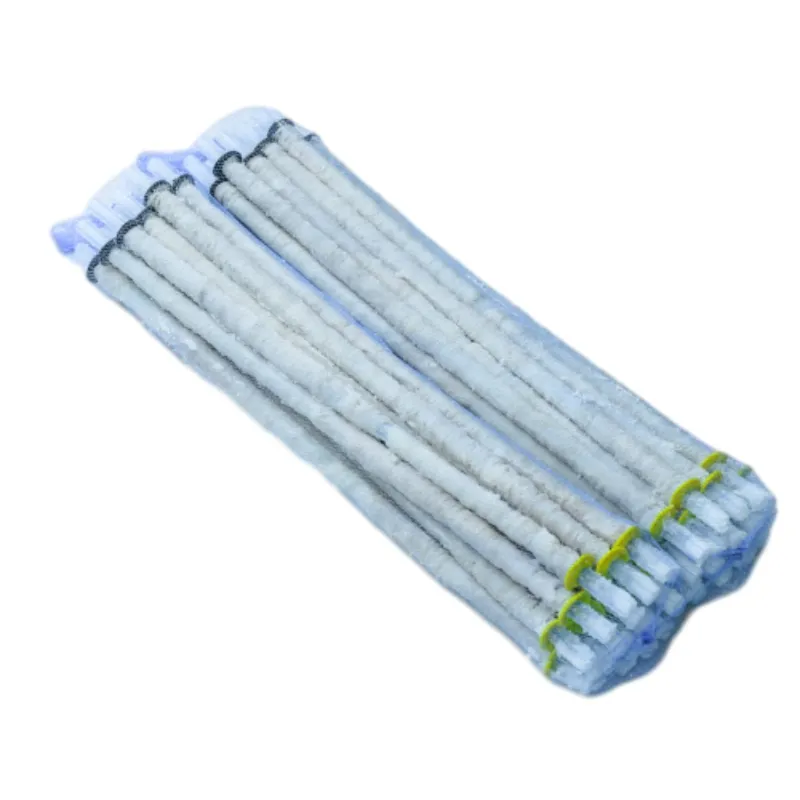
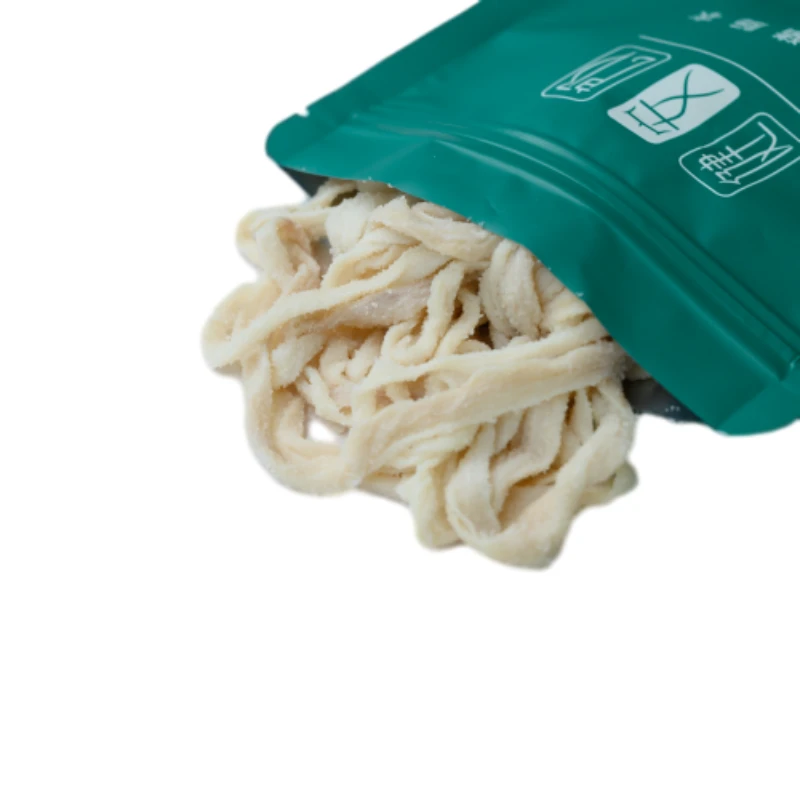
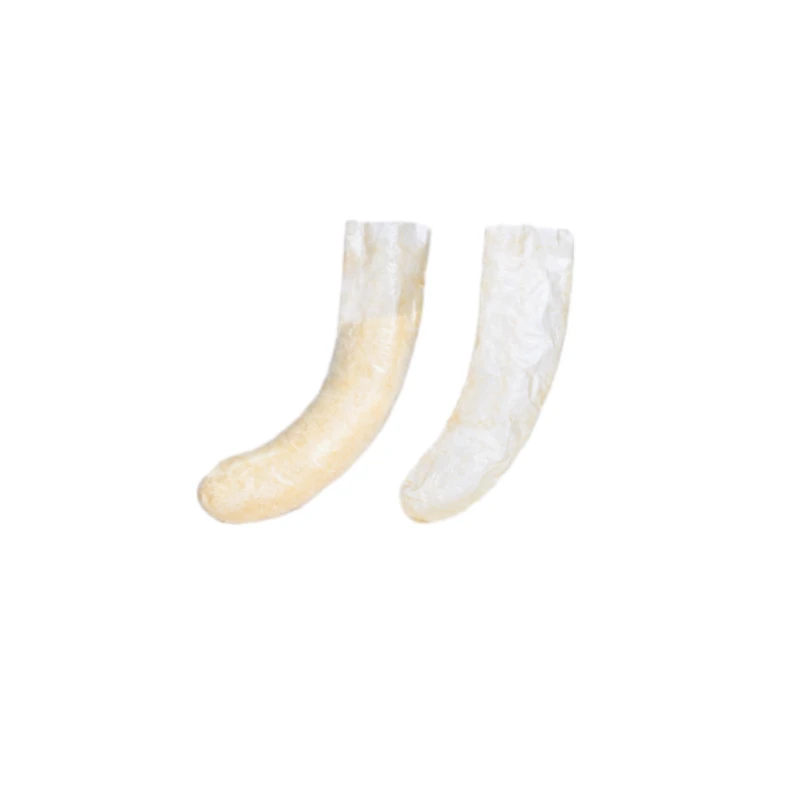
Simply put, dried hog casings are the cleaned and dried intestines of hogs, processed to serve as natural sausage covers. Think of them as nature’s original casing, offering breathability, flexibility, and a unique texture unattainable by plastic or collagen versions. They've been used in culinary traditions for centuries and remain the gold standard in many butcheries.
Besides culinary uses, they also reveal connections to culture, food security, and trade. The product reflects centuries of artisanal knowledge now scaled by modern manufacturing, meeting demands from small deli shops to large processing plants.
Core Aspects of the Dried Hog Casings Product
Durability and Strength
One of the main reasons these casings are preferred is their natural strength. When dried correctly, they handle stuffing pressures well and maintain their shape during cooking, which is essential for product consistency.
Hygiene and Safety Standards
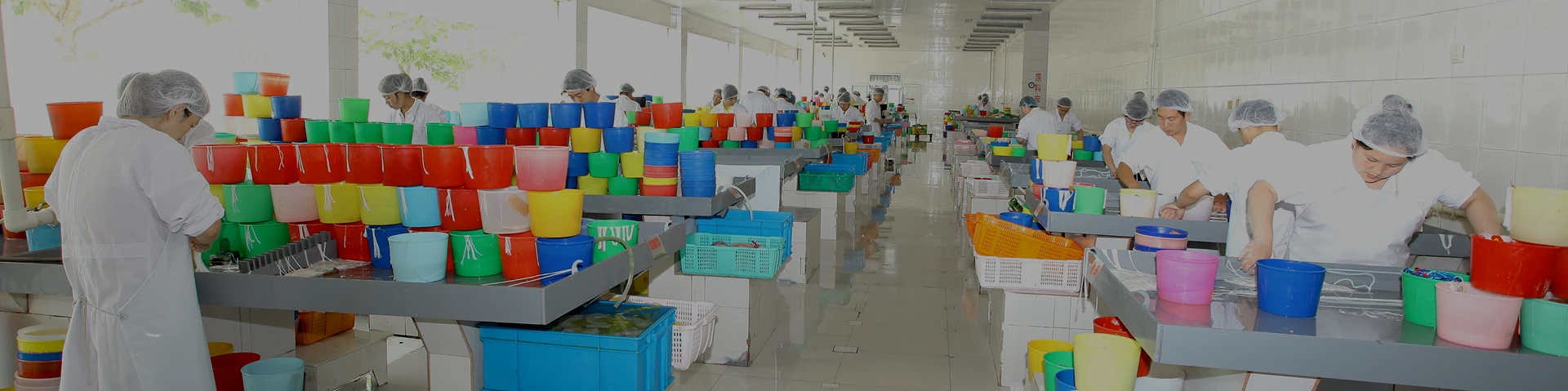
Modern processing ensures casings are thoroughly cleaned and tested to meet stringent food safety regulations. This reduces contamination risks associated with natural products—a big leap forward from old-school butchery methods.
Scalability and Availability
Thanks to improved drying and preservation techniques, suppliers can now offer larger volumes year-round. This scalability is key to feeding growing global markets while keeping quality high.
Cost Efficiency
Compared to synthetic or collagen alternatives, dried hog casings often deliver better value, especially when factoring in consumer preference for natural ingredients. There’s also less environmental waste involved.
Customization and Versatility
Because each hog casing varies slightly in size and thickness, producers can select or blend casings tailored to specific sausage types—whether thin breakfast links or thick summer sausages.
Typical Specifications of a Dried Hog Casings Product
| Specification | Value/Range | Notes |
|---|---|---|
| Caliber (Diameter) | 18-28 mm | Suitable for various sausage types |
| Moisture Content | ~12-18% | After drying to prevent spoilage |
| Tensile Strength | 400-600 kPa | Ensures casing integrity during stuffing & cooking |
| Shelf Life | 12-24 months (airtight packaging) | Depends on storage conditions |
| Processing Method | Chemical cleaning + air drying | Industry standard for hygiene |
Global Applications & Real-World Use Cases
The dried hog casings product deserves more spotlight in settings beyond butchery. Post-disaster relief agencies occasionally rely on portable meat products packed using natural casings, benefiting from their biodegradability. In remote industrial zones where synthetic packaging might degrade faster due to temperature swings, natural casings outperform.
Europe’s artisanal and organic sausage markets prize dried hog casings for authenticity, while Asia’s booming convenience food sector utilizes them to maintain traditional flavors. Meanwhile, exporters in the Americas supply casings internationally, carefully balancing batch quality against demand.
Vendor Comparison: What to Look For
| Vendor | Quality Grade | Price Range (per kg) | Packaging | Region Served |
|---|---|---|---|---|
| RT Casing Co. | Premium A | $25 - $32 | Vacuum-packed bundles | Global |
| Natural Casings Ltd. | Grade B | $20 - $27 | Wrapped with humidity control | Europe & Asia |
| Green Meat Supplies | Standard C | $18 - $23 | Bulk dry bundles | Americas |
Advantages & Long-Term Value of Natural Hog Casings
Digging beneath the surface, dried hog casings offer a unique blend of benefits. First, they’re biodegradable, a growing priority in food packaging sustainability conversations. Unlike plastic alternatives, they don’t add to pollution and breakdown naturally.
They help producers build brand trust for authentic flavors and tradition. Emotionally, consumers often associate natural casings with quality, heritage, and safety—feelings which convert into loyalty. From a cold, logical standpoint, they reduce waste, are cost-effective in the long run, and keep production efficient.
The Future of the Dried Hog Casings Product
Innovation isn't lost on this ancient product. Expect to see automation in harvesting and cleaning to ensure consistency and safety. There’s also promising R&D on eco-friendly preservatives to extend shelf life further without chemicals.
Moreover, sustainability trends might boost natural casings even more, as food buyers seek whole, unprocessed ingredients. Digital tracking of batches is gaining traction, promising transparency from farm to table.
Though strange to imagine, I wonder if someday slight genetic advances could produce hog casings with specialized properties tailored to precise cooking or packaging—sort of a biotech culinary frontier.
Challenges & Smart Solutions for Using Dried Hog Casings
Despite benefits, difficulties persist. Quality variability can affect batch consistency, and natural casings require delicate storage to keep pests and moisture away. There’s also a delicate balance in preserving their natural feel while meeting modern hygienic standards, which sometimes conflicts with traditional processes.
Solutions revolve around better supply chain management, advanced drying tech, and savvy packaging—®RTCasing, for example, invests heavily in vacuum sealing and humidity control to maintain peak product state during transport.
FAQ: Frequently Asked Questions About Dried Hog Casings Product
-
Q: How long can dried hog casings be stored before use?
A: When stored properly in airtight packaging and kept in a cool, dry place, dried hog casings can last up to 24 months without quality loss. Avoid exposure to moisture or pests to prevent spoilage. -
Q: Are dried hog casings product safe for food production?
A: Absolutely. Modern processing includes rigorous cleaning and chemical treatments approved by food safety authorities worldwide. When sourced from reputable vendors, they’re perfectly safe for production. -
Q: Can I use dried hog casings for all types of sausages?
A: Generally yes, but sizes and thickness vary, so you’ll need to select appropriate calibers for different sausage styles, from thin breakfast links to thicker summer or dry cured sausages. -
Q: How sustainable are dried hog casings compared to synthetic options?
A: Since they’re fully biodegradable and derived from by-products of the pork industry, dried hog casings have a significantly lower environmental footprint than plastic or collagen alternatives. -
Q: How do I import dried hog casings internationally for my business?
A: Work with reputable vendors offering clear documentation and compliance with import/export food regulations. Many suppliers provide global shipping options and support with customs paperwork.
Wrapping Up: Why Dried Hog Casings Product Is Still King
In the evolving world of food packaging and processing, the dried hog casings product holds a special, enduring place. Its blend of tradition, functionality, and sustainability simply can’t be beat. As markets demand stronger, safer, and greener solutions, these natural casings offer a reliable answer.
If you’re involved in sausage making, meat processing, or importation, consider checking out the diverse stock and expertise available at dried hog casings product suppliers. They’re more than just a casing—they’re a global link connecting culture, technology, and taste.
Curious to learn more or place an order? Take the leap and explore what RT Casing can offer. You might find the perfect natural casing fits your needs better than you expected.
References:
1. FAO Meat Consumption Statistics
2. Wikipedia: Sausage casing
3. ISO 22000: Food safety management