Dec . 02, 2025 18:22
What is a Natural Hog Casings Factory and Why it Matters Globally
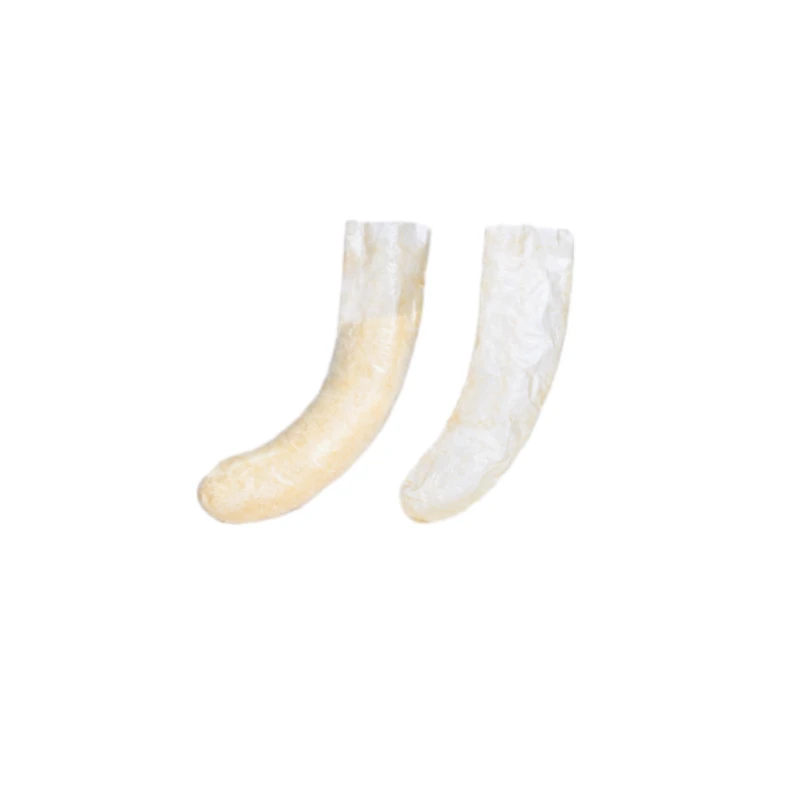
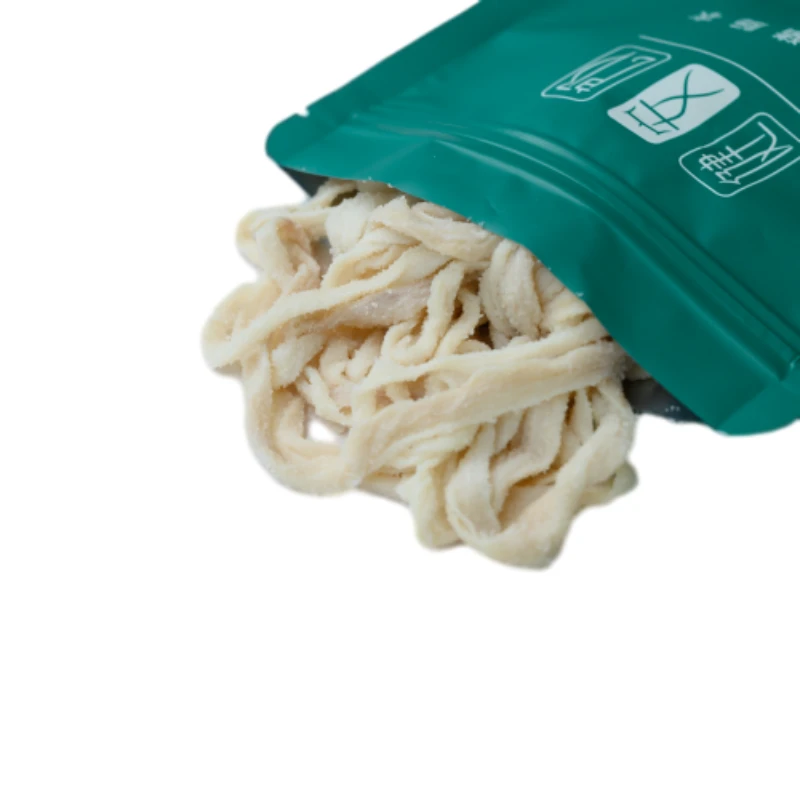
Natural hog casings are basically the traditional, edible tubes made from cleaned pig intestines used for making sausages and other meat products. A natural hog casings factory specializes in producing these casings at scale. Now, you might ask, what’s the big deal? Well, globally, there's still a strong demand for authentic sausage products that taste and feel “just right,” and the natural hog casing plays a huge role in that. Unlike synthetic alternatives, they offer a unique texture, breathability, and are biodegradable.
More than that, in certain regions, especially where artisanal butchers and traditional meat processors thrive, the availability and quality from a reliable natural hog casings factory can determine product consistency and livelihood for many small businesses. Plus, the factory process itself shields consumers from health risks by ensuring the casings meet hygiene and safety standards — critical on a global scale where food safety is a growing concern.
The Global Context: Why Natural Hog Casings Production Matters Today
Oddly enough, the natural casings market occupies a niche but essential place worldwide. According to the Food and Agriculture Organization (FAO), meat consumption has steadily increased in emerging economies over the past two decades, driving the demand for quality casings for sausages and other processed meats.
This demand poses a challenge: synthetic casings offer consistency but often lack traditional appeal, while natural hog casings factories face pressure to maintain hygiene, optimize yields, and handle the complex supply chain of raw materials carefully. Then there’s environmental impact considerations — natural casings are sustainable compared to plastics but require water and energy for processing. So, factories balancing these factors are vital players.
In real terms, I suppose it’s like a balancing act between maintaining cultural food heritage and meeting modern food safety standards globally.
Understanding Natural Hog Casings Factories: A Simple Definition
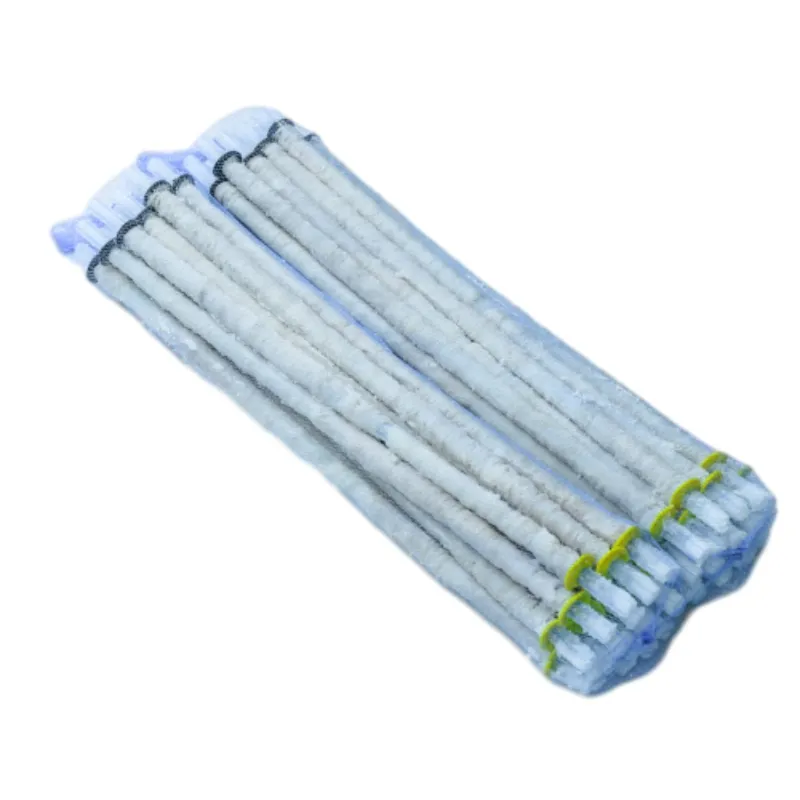
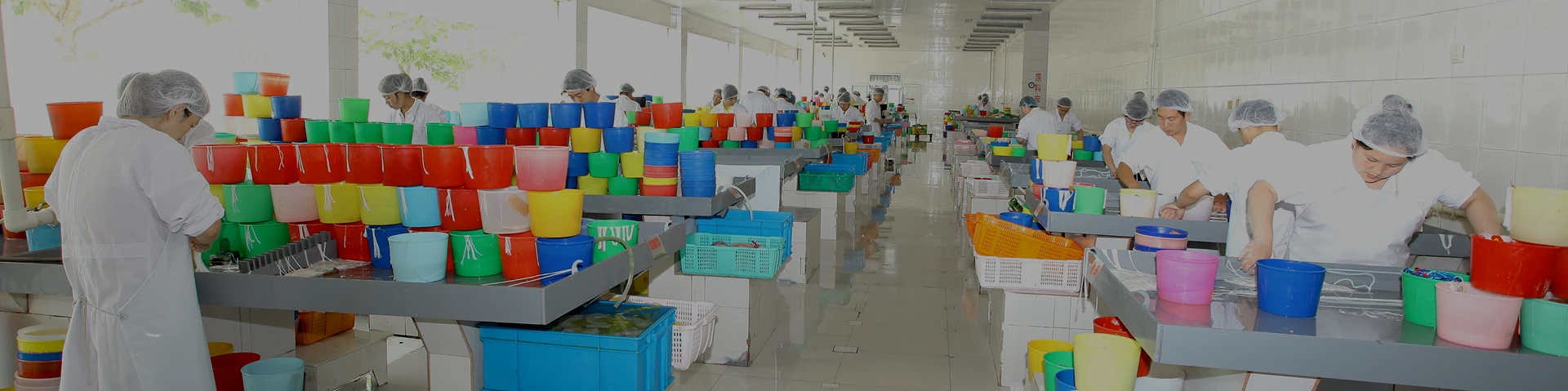
A natural hog casings factory is a production facility where raw hog intestines are meticulously cleaned, sorted, salted, and prepared for use as edible sausage casings. The process isn’t something you can do in a kitchen; it requires dedicated equipment, skilled labor, and strict controls to ensure the casings are food-safe and retain their natural qualities.
Interestingly, these factories also link to humanitarian and small business sectors. Artisanal sausage makers rely on them, and in many developing countries, these products support local economies, connecting traditional food culture to broader markets. It’s sort of the bridge between nature, industry, and culture.
Core Components of a Natural Hog Casings Factory
1. Hygiene and Sanitation Protocols
Because raw animal intestines can harbor bacteria, factories invest heavily in sanitation. This includes multiple wash cycles, salt curing, and sometimes natural preservatives. The goal is to keep the casings clean and extend shelf life without compromising texture.
2. Quality Control & Grading
Casings are sorted by size, thickness, and texture. Quality control ensures that only optimal casings reach the market. Many engineers say this grading process is key to maintaining customer trust, since butchers want consistent sizing for their sausage machines.
3. Efficient Production Line
Natural hog casings factories now embrace semi-automated gut scraping and washing machines to boost scalability and reduce manual labor, a boon when demand spikes. Oddly enough, manual skills still matter for the final inspection stages.
4. Supply Chain Management
Securing steady supplies of raw hog intestines depends on good relationships with slaughterhouses. Many factories operate close to pork processing plants to get fresh, untreated raw materials.
5. Environmental Practices
Water consumption for washing and waste handling are big issues. Factories implementing water recycling and bio-waste composting contribute to sustainability goals.
Mini Takeaway:
Many factors influence natural hog casing production, from hygiene and sorting to environmental sustainability. They’re not just “casings” but carefully crafted products that rely on complex processes.
How Natural Hog Casings Factories Impact the Global Market
You might not think sausages would be political, but in places like Europe, Asia, and even parts of Latin America, traditional sausages made with natural hog casings support local economies and traditions. For example:
- Europe: German bratwurst and Italian sausages rely heavily on consistent casing supply — factories there often export globally.
- Asia: Increasing urban meat consumption in China and Vietnam drives demand for authentic products, occasionally importing from reputed natural hog casings factories overseas.
- Latin America: Small-scale butchers in Mexico and Brazil use these casings for local delicacies, connecting farmers to consumers.
- Humanitarian uses: In refugee camps, where ready-to-cook meat products are distributed, natural casings sometimes help in producing durable, protein-rich offerings with long shelf lives.
In other words, while these factories operate quietly, their global footprint is significant.
The Advantages and Long-Term Value of Natural Hog Casings Production
First off: natural gut casings breathe — meaning the sausages have a texture and flavor synthetic casings can't quite replicate. That adds a premium feel to products.
But there’s more than just culinary: natural casings are biodegradable, helping reduce plastic pollution. For environmentally minded butchers and businesses, that’s a long-term win.
Financially, while synthetic casings may be cheaper initially, the premium meat market often demands authenticity. Factories supplying consistent, quality natural casings build trust among customers and retain repeat business.
Socially, there's pride in keeping traditional food practices alive, supporting rural economies, and providing jobs that require craftsmanship.
Table 1: Typical Product Specifications of Natural Hog Casings
| Specification | Typical Range | Unit |
|---|---|---|
| Diameter | 18 - 32 | mm |
| Length per bundle | 25 - 30 | meters |
| Salt content | 15 - 20% | (w/w) |
| Moisture | 10 - 14% | % |
| Tensile strength | 3.0 - 4.2 | N/mm² |
Emerging Trends & Innovations in the Natural Hog Casings Industry
Looking ahead, several innovations are shaking up the factory scene. Digital sensors embedded in production lines monitor cleanliness in real time, reducing waste and contamination. Automation, while still limited in the final sorting steps, boosts throughput.
Some factories explore greener production methods — using renewable energy sources or recycling wash water, tackling the hefty environmental footprint. The trend towards transparency and certifications also pushes factories to adopt ISO food safety standards rigorously.
And an interesting twist: “smart” natural casings embedded with antimicrobials (bio-based) are being tested, aiming to extend product shelf life without artificial preservatives. It sounds like sci-fi but it’s in trials now.
Common Challenges and How Experts Suggest Overcoming Them
- Raw Material Supply Fluctuation: Access to fresh hog intestines can be seasonal or affected by pork market trends. The best factories diversify suppliers and invest in preservation methods to smooth supply.
- Contamination Risk: Strict hygienic workflows and staff training reduce risks. Many factories implement HACCP plans to identify and control contamination points.
- Environmental Impact: Water and waste management remain concerns. Innovations like anaerobic digestion of waste help mitigate this.
- Market Competition: To stay relevant, factories focus on niche markets—organic, halal, or regional specialty casings—to differentiate.
I guess it's a constant puzzle of balancing industry demands, quality, and nature's limits.
Vendor Comparison Table: Leading Natural Hog Casings Factories
| Factory | Location | Annual Capacity (Tons) | Sustainability Practices | Certifications |
|---|---|---|---|---|
| PorkGut Corp | Germany | 500 | Water recycling, LED lighting | ISO 22000, HACCP |
| Natural Casings Co. | China | 350 | Biogas waste treatment | ISO 9001, Halal |
| Tradition Casings Ltd. | USA | 200 | Solar-assisted washing | FDA approved, HACCP |
FAQ: Your Questions About Natural Hog Casings Factory Answered
Q1: How do natural hog casings factories ensure product safety?
A1: These factories follow rigorous cleaning, salting, and drying processes. They implement hygiene protocols aligned with global food safety standards such as HACCP and ISO 22000 to minimize contamination risks. Regular staff training and quality inspections are part of the system to maintain high safety standards.
Q2: Can I customize casing diameter or length in bulk orders?
A2: Yes, most natural hog casings factories offer customized sizes, from diameter to bundle length, depending on your sausage type and machinery. It’s best to discuss your specific needs with the supplier to ensure consistent product specifications.
Q3: Are natural hog casings biodegradable compared to synthetic ones?
A3: Absolutely. Natural casings are made from animal intestines and thus fully biodegradable, making them an eco-friendly alternative to plastic or collagen casings. They also avoid microplastics and help reduce landfill waste.
Q4: How do factories handle fluctuations in hog casing supply?
A4: Many factories manage supply through diversified sourcing, salt-curing processes to preserve casings, and developing close partnerships with multiple slaughterhouses. They may also adjust production schedules to balance seasonal variations.
Q5: Is it possible to source natural hog casings internationally?
A5: Yes, international trade of natural casings is common. Many factories export globally with proper certifications. However, import regulations vary by country, so partnering with an experienced exporter or checking local veterinary import laws is recommended.
Conclusion: The Natural Hog Casings Factory’s Role in Sustaining Tradition and Innovation
In essence, natural hog casings factories do more than produce sausage casings — they preserve culinary heritage, support small and medium businesses worldwide, and adapt sustainably to modern challenges. Their intricate processes ensure food safety, environmental stewardship, and quality that synthetic alternatives still strive to match. If you’re in the meat business or just fascinated by how tradition meets technology, exploring reliable natural casings suppliers can make all the difference.
Ready to take a deeper dive into this fascinating industry? Visit our website: natural hog casings factory for expert info and trusted partnerships.