Dec . 02, 2025 19:04
Natural Sheep Casings Products: A Global Ingredient with Timeless Appeal
If you’ve ever bitten into a perfectly made sausage — perhaps during a summer barbecue or in a local delicatessen — odds are you’ve encountered natural sheep casings products at work. But beyond just wrapping fine foods, these natural casings form a fascinating and surprisingly important niche in global industries, ranging from gourmet food production to humanitarian relief.
Understanding natural sheep casings means appreciating a blend of tradition, sustainability, and technical precision that serves both small local producers and large-scale manufacturers worldwide. So why exactly does this product matter? For starters, it's a critical link in many value chains, ensuring quality, safety, and the distinctive characteristics the market demands. Plus, it connects cultural heritage with modern food science and global trade — quite the intersection for something so... primal.
The Global Context: Why Natural Sheep Casings Remain Essential
It's interesting to note that the global meat processing industry relies heavily on natural animal casings, among which sheep casings hold a special place. According to estimates (ISO 22000 standards; UN Food and Agriculture Organization reports), the natural casing market is growing steadily, projected at a CAGR of roughly 4% through 2028. This growth is driven by demand in Europe, Asia, and North America, where consumers crave authentic textures in their sausages and cured meats.
Yet, the sector faces challenges like supply limitations due to livestock health issues and the need for sustainable harvesting processes. However, natural sheep casings products also respond to a growing demand for clean-label ingredients — an anticipated preference in the coming decades as consumers become more ingredient-savvy and eco-conscious overall.
In essence, the value of natural sheep casings goes beyond just food. Emerging industries are experimenting with these products for unexpected applications — from environmentally friendly packaging alternatives to biodegradable films. Oddly enough, the humble sheep casing is quietly surviving the test of time and evolving consumer awareness.
Mini takeaway:
- The global demand links tradition, sustainability, and market trends.
- Supply and quality reliability remain key industry challenges.
- Natural sheep casings are subtly branching out beyond food.
What Exactly Are Natural Sheep Casings Products?
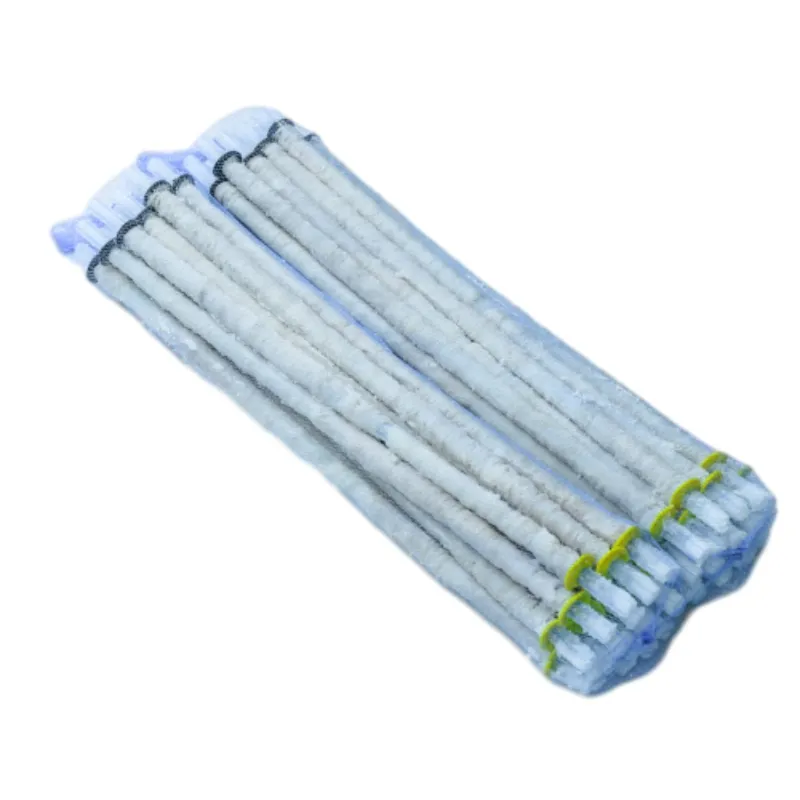
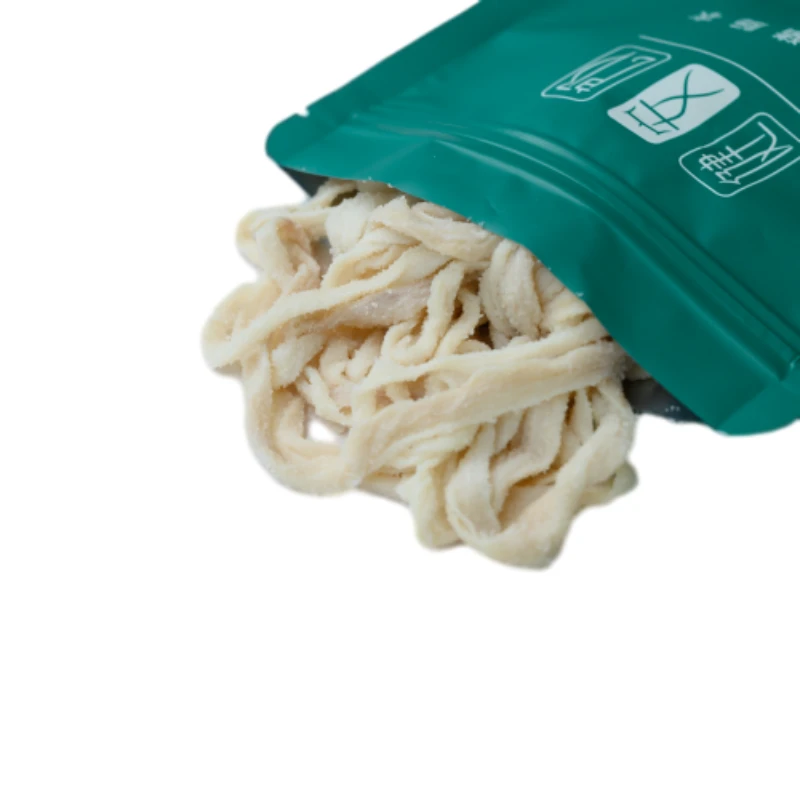
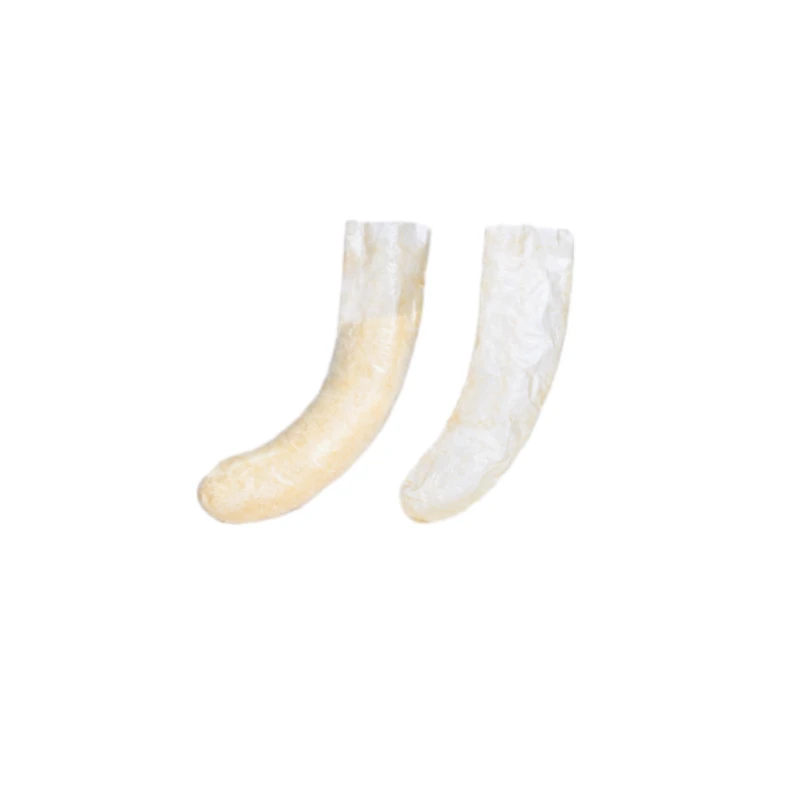
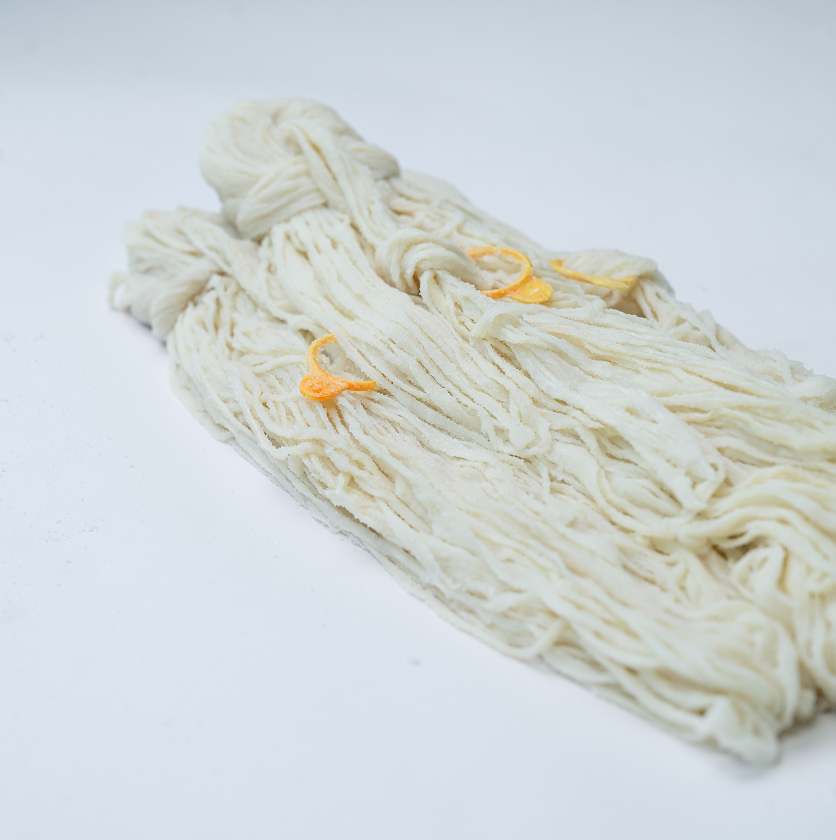
Simply put, natural sheep casings are the intestines of sheep — cleaned, processed, and prepared to function as thin, flexible tubes that hold sausages or cured meats. These casings are natural, unlike synthetic alternatives, boasting unique permeability and elasticity. Producers appreciate their ability to impart a certain snap and mouthfeel that no artificial material can conveniently replicate. Plus, since they are edible, consumers encounter a product closer to its source, which feels authentic — a quality increasingly valued these days.
Beyond just “food stuff,” natural sheep casings are also linked to modern industry and humanitarian needs. For example, NGOs sometimes use them in medical supply chains or emergency provisions due to their bio-compatible and biodegradable nature. And, interestingly, the casing industry is an early adopter of ISO hygiene and quality management systems (like ISO 22000 and ISO 9001), ensuring products meet international food safety standards.
Mini takeaway:
- Natural sheep casings are cleaned sheep intestines used mainly for sausages.
- They connect tradition, food science, and sanitary standards.
- They are versatile, bio-compatible, and increasingly sustainable.
Key Factors Shaping Natural Sheep Casings Products
1. Durability & Texture
One of the things that stands out with natural sheep casings is their unique tensile strength and elasticity. This makes them easy for butchers to stuff but firm enough to hold shape during cooking, smoking, or curing. You might say this durability is the “gold standard” against which synthetic casings are compared.
2. Scalability & Availability
While sheep populations are widespread, consistent quality casing supply depends on seasonal farming cycles, animal health, and regional practices. This variability means suppliers often rely on sophisticated sourcing networks to meet demand — from regions like New Zealand, the UK, and some parts of Asia. It’s not a simple commodity to scale globally but manageable if you know where to look.
3. Cost Efficiency
Natural sheep casings tend to cost more than synthetic alternatives. However, the premium often pays off in better product feel, taste, and brand reputation — especially for artisan and gourmet producers. Bulk buyers negotiate contracts that optimise prices while assuring standards. Interestingly, the total cost of waste is usually lower, because natural casings degrade easily, making disposal simpler and greener.
4. Food Safety & Quality Control
Since these are animal products, hygiene protocols are paramount. Modern manufacturers use enzymatic cleaning, salting, or freezing to stabilize and preserve casings while eradicating pathogens. ISO 22000 and HACCP-compliant processing ensure consistent quality and safety, giving consumers peace of mind.
5. Sustainability & Environmental Impact
Organic and eco-conscious consumers look favorably on natural casings because they are renewable, biodegradable, and generally sourced from animals already raised for meat consumption — meaning less waste. Some manufacturers now promote “upcycled” casings from by-products, closing the loop on resource use.
Mini takeaway:
- Natural sheep casings balance durability, availability, and cost.
- Strict hygiene and sustainability standards underpin quality.
- They remain favored for premium, clean-label products globally.
Where and How Natural Sheep Casings Shine: Real-World Use Cases
In real terms, these casings are vital in food processing plants across Europe and Asia, especially for traditional sausages like merguez or chipolata. In regions like the Mediterranean and the Middle East, artisanal producers prize them for authentic flavor and texture — some say you simply can’t replicate the experience synthetically.
In post-disaster relief scenarios, where preserving fresh food is tricky, NGOs have explored natural casings to provide reliable, protein-rich provisions that keep well without excessive refrigeration. Likewise, specialty food exporters in New Zealand and Australia use them to meet strict import regulations demanding natural ingredients and transparent sourcing.
Even in remote industrial zones, natural sheep casings supply small-scale meat processors who lack complex synthetic supplier chains. This all underscores the fact that these products fill a diverse, global market niche — bridging high-tech quality with grassroots availability.
| Attribute | Typical Range | Importance |
|---|---|---|
| Diameter (mm) | 16 - 24 | Suitability for various sausage types |
| Tensile strength (N/mm²) | 35 - 45 | Handling and stuffing durability |
| Salt content (%) | 10 - 12 | Preservation and hygiene |
| Moisture content (%) | 50 - 60 | Flexibility and texture |
Advantages and the Long-Term Value of Natural Sheep Casings
The benefits are layered and rich. For producers, the cost benefits come via superior product appeal and reduced waste disposal fees. For consumers, natural casings deliver that snap when you bite, a fresher taste, and the enjoyment of eating something authentic — not some plastic pretend.
Socially and environmentally speaking, the product ticks many boxes. It supports rural livelihoods, encourages sustainable livestock management, and promotes use of by-products that might otherwise be discarded. There’s also that intangible factor: enhanced trust in food transparency, which today’s consumers frankly crave more than ever.
On an emotional level, it’s about safety and dignity. Knowing that your food wrapping is natural, biodegradable, and minimally processed resonates with the growing “clean label” movement and even circular economy ideals. Plus, many engineers say these casings have a sort of timelessness: they’ve been essential for centuries and, despite global industrialization, still maintain their place in modern production lines.
Looking Ahead: Trends and Innovations in Natural Sheep Casings
Here’s where it gets exciting. Research into improved processing techniques aims to minimize water use and chemical additives, aligned with eco-friendly goals. Digital tracking technologies, including blockchain, are sparking breakthroughs in traceability — so end users can verify every casing’s provenance with a scan.
Some manufacturers experiment with “hybrid” casings that combine natural material properties with synthetic reinforcements for extreme use cases — heat resistance, longer shelf life, or sport nutrition products. There's also a push to develop certifications highlighting standards for animal welfare and sustainable pasture management, which add social value to these products.
Automation in cleaning and preparation is rapidly advancing, reducing human error and softening cost pressures while boosting hygiene compliance. It’s a balance of honoring tradition while pushing the envelope with tech — kind of like fine wine meets lab-grown innovation.
Common Challenges and Expert Solutions
- Supply Variability: Seasonal and regional variations can make supply chains fragile. Solution: diversified sourcing plus improved cold chain logistics.
- Quality Consistency: Natural materials are inherently variable. Solution: advanced sorting technology and strict quality protocols.
- Cost Pressures: Competition with cheaper synthetic casings. Solution: educating markets on premium value and improving manufacturing efficiency.
- Hygiene Challenges: Risk of contamination if mishandled. Solution: adherence to ISO and HACCP systems and automation of cleaning steps.
FAQ: Your Questions About Natural Sheep Casings Products Answered
- Q: How do natural sheep casings compare to synthetic alternatives?
- A: Natural casings offer superior texture, breathability, and an authentic eating experience. Synthetics are cheaper and more consistent but lack flavor and eco-friendliness.
- Q: Are natural sheep casings safe to eat?
- Yes, when properly processed and cleaned under strict hygiene standards such as ISO 22000, they are entirely safe and edible.
- Q: How long do natural sheep casings last in storage?
- Typically, salted and refrigerated casings can last several months; freezing extends shelf life. However, quality can diminish over time, so freshness is key.
- Q: Can natural sheep casings be used in international sausage production?
- Absolutely. Many exporters comply with international food safety laws, and casings are shipped globally for premium sausage-making.
- Q: What environmental benefits do natural casings provide?
- They are biodegradable and renewable, generally sourced from animals already raised for meat, reducing waste and reliance on plastics.
Conclusion: Why Natural Sheep Casings Products Continue to Matter
Natural sheep casings remain a stalwart of food tradition and modern sustainable practice, combining centuries-old processes with cutting-edge hygiene, ecological responsibility, and evolving global demand. For businesses looking to blend authenticity, quality, and social value, these casings offer a compelling choice.
Want to explore top-tier natural sheep casings products with proven quality and sustainable sourcing? Visit our website for detailed specs, supplier info, and industry insights. Your next great sausage deserves more than just an ordinary wrap.
Final Mini Takeaway:
Natural sheep casings are more than just edible tubes; they’re a bridge connecting heritage, quality, and a sustainable future in global food and beyond.
Vendor Comparison Table
| Supplier | Country | Quality Certification | Price Range (per Kg) | Sustainability Initiatives |
|---|---|---|---|---|
| CasingsCo | New Zealand | ISO 22000, HACCP | $20–25 | Upcycling waste, animal welfare audits |
| SheepWrap Ltd. | UK | BRC, ISO 9001 | $18–23 | Sustainable pasture management |
| Orient Casings | China | ISO 22000 | $15–20 | Energy-efficient processing |