Dec . 02, 2025 17:52
Understanding Hog Casing Sizes: Why It Matters Worldwide
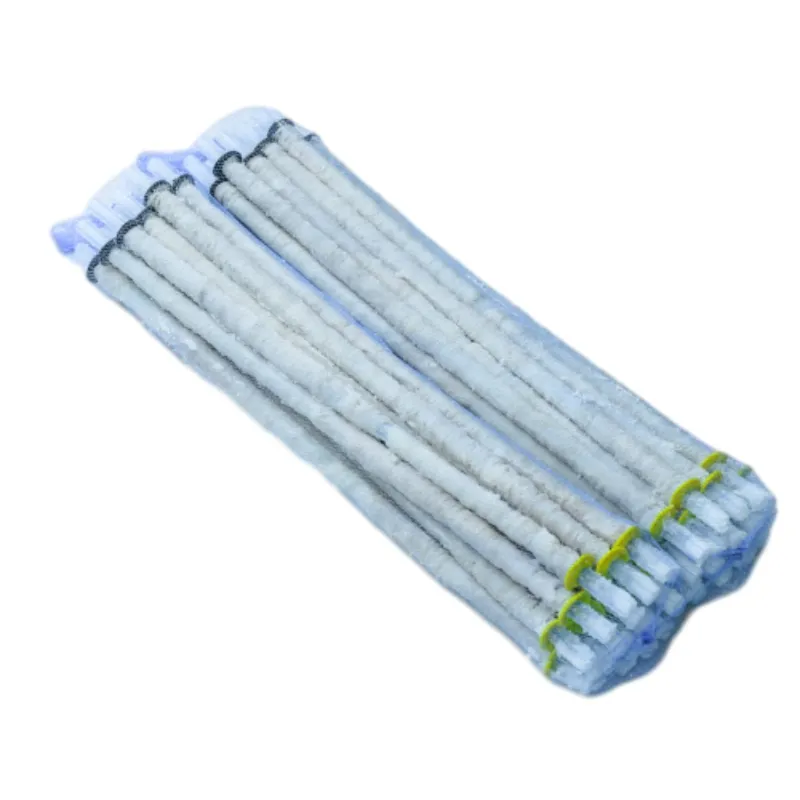
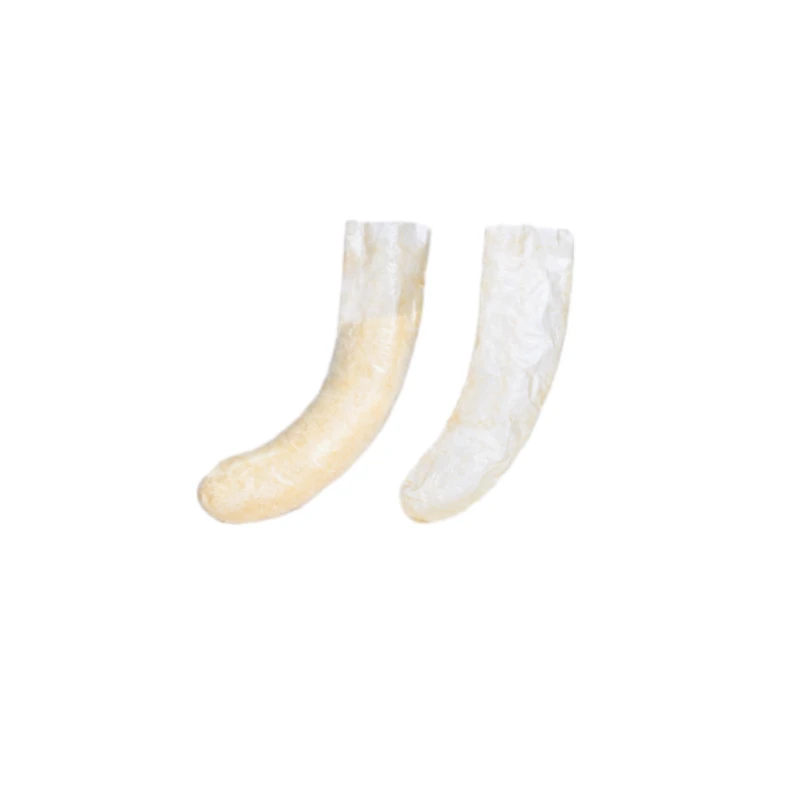
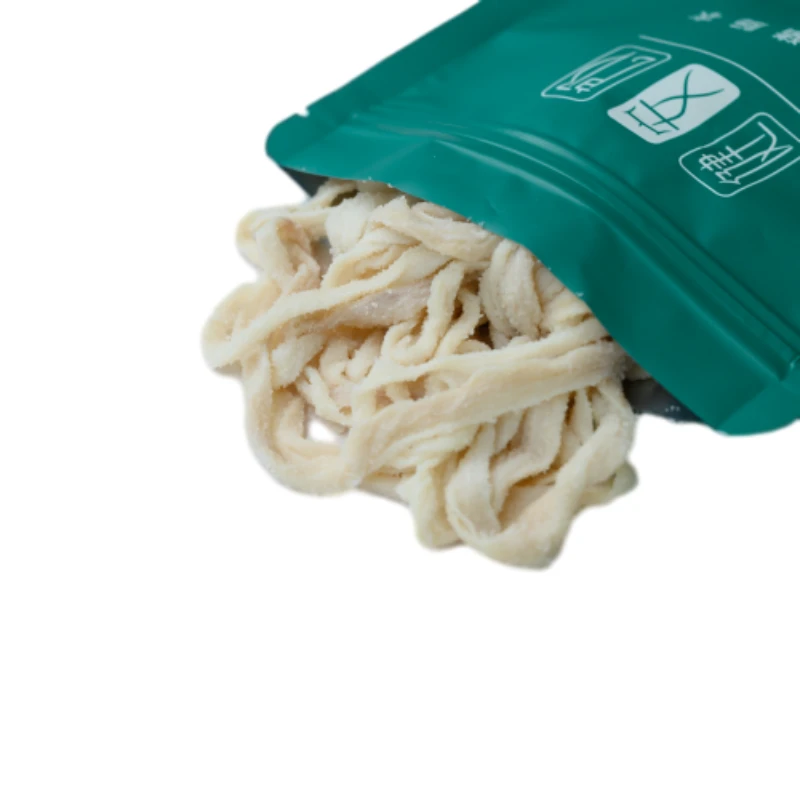
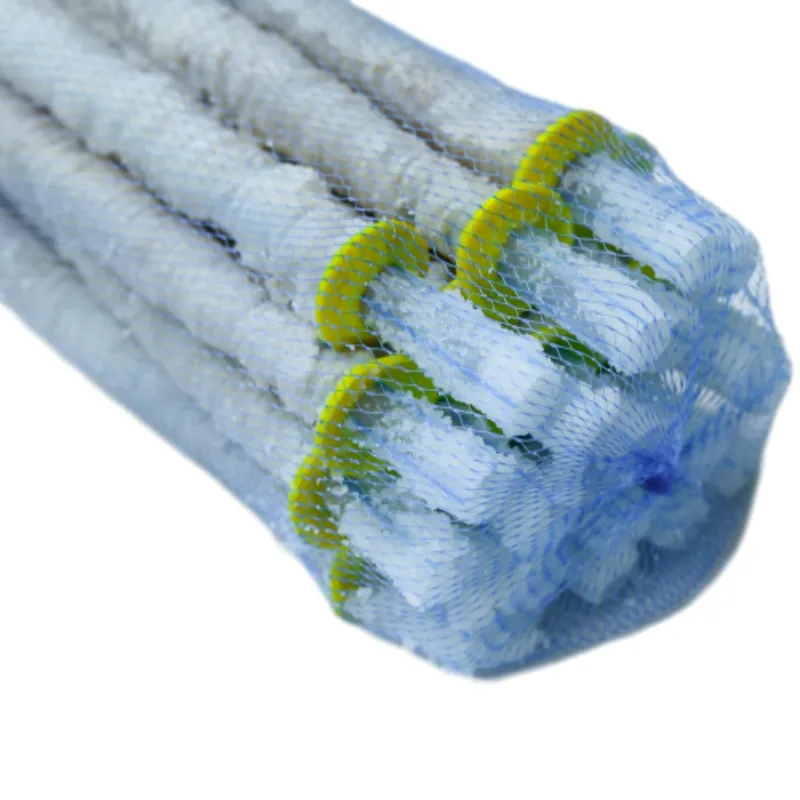
If you've ever cruised down a supermarket aisle or peeked into a deli’s kitchen, you’ve probably come across sausages encased in what’s called "hog casings." But what exactly are hog casing sizes, and why do they command such attention in the meat processing and food packaging industries globally? To put it simply, hog casing sizes refer to the diameter and length specifications of natural casings derived primarily from pig intestines, used to encase sausage meat. They’re critical for manufacturers, charcuterie artisans, and food exporters alike, as the right size ensures consistency, cooking performance, product quality, and market appeal.
Globally, the demand for processed meats continues to grow — the UN Food and Agriculture Organization (FAO) notes it’s projected to rise steadily over the next decade. This surge means that professionals need to understand hog casing sizes well to meet international safety standards and consumer expectations. Whether it’s for traditional bratwursts in Germany or spicy chorizos in Latin America, properly sized hog casings make all the difference.
Mini takeaway: Hog casing sizes are more than just numbers; they're the backbone of global sausage production and crucial in maintaining food quality.
The Global Context: Why Hog Casing Sizes Are So Important
When you zoom out, hog casing sizes might seem like a niche topic, but it ties directly into larger global food industry patterns. With increasingly complex supply chains spanning various countries, international standards on casing sizes help keep food products consistent. According to ISO guidelines on meat products packaging, specifying casing diameters ensures compatibility with machinery used in stuffing and also meets regulatory safety thresholds.
The World Bank estimates that the global processed meats market was valued at nearly $300 billion in 2023, showing how significant even small details like casing sizes impact operations. Perhaps one challenge that companies regularly face is balancing efficient production with maintaining traditional quality. A casing that’s too large or too small for a particular type of sausage can result in inconsistent cooking, breakage, or customer dissatisfaction.
In many developing regions, where artisanal meat production remains prevalent, accurate sizing is also linked with food safety. Not properly sized or cleaned casings can lead to contamination risks — a real concern for exporters following stringent global hygiene laws.
Mini takeaway: Proper hog casing sizing is integral to international trade, mechanized production, and food safety compliance worldwide.
What Exactly Are Hog Casing Sizes?
Put simply, hog casing sizes denote the diameter and length of the natural intestinal casings primarily sourced from pigs — a naturally renewable material widely favored in traditional sausage making. These casings are carefully cleaned and graded to fit specific sausage types, ranging roughly from 16 mm (small breakfast sausages) up to 32 mm or more for large link sausages.
In modern meat processing, hog casing sizes are more than just a gritty organ remnant; they’re precision tools. Their size directly affects the sausage’s bite, cooking time, shelf life, and packaging. Plus, they’re favored for their natural elasticity and texture, which synthetic casings often struggle to replicate.
They also play a humanitarian role when meat products are part of aid operations — transporting protein safely and in manageable portions can sometimes hinge on these simple measurements. For anyone from small-scale farmers to large food producers, understanding hog casing sizes is like knowing your sausage’s “DNA.”
Core Factors Behind Hog Casing Sizes
1. Diameter and Diameter Uniformity
Arguably the most critical detail. A consistent diameter means sausages fill cooking equipment evenly and look uniform on shelves, which retailers love. Variations can cause cooking issues or customer disappointment.
2. Length and Stretchability
Casings must be long enough to create links but flexible enough to stretch during stuffing without tearing. This balance affects production speed and yield.
3. Durability and Strength
Hog casings need to withstand mechanical stuffing equipment pressure yet remain tender and natural after cooking. This property impacts processing costs and product integrity.
4. Cleanliness and Preparation Methods
Properly processed casings reduce contamination risks and impact shelf life. Quality certifications often hinge on this.
5. Cost Efficiency
While natural casings are costlier than synthetics, their size precision and quality can reduce wastage and improve final product value.
6. Compliance with Regional Standards
Different countries may have unique requirements — for instance, the EU has specific food safety criteria affecting casing dimensions and treatments.
Mini takeaway: From diameter to compliance, each factor tightly influences how hog casings serve both producers and consumers.
Where Hog Casing Sizes Make a Real-World Difference
Globally, hog casing sizes have found a diverse range of applications:
- Europe: Artisanal charcuteries in France and Italy rely heavily on precise hog casing diameters for traditional sausages like salami and soppressata.
- North America: Industrial sausage makers appreciate standard sizes for mechanized stuffing lines, producing hot dogs and breakfast links at scale.
- Latin America & Asia: Growing markets for spiced, exotic sausages demand both natural casings and a variety of sizing options to suit local tastes.
- Disaster Relief Operations: International NGOs distributing processed meats to refugee camps benefit from consistent casing sizes for portability and rationing.
- Remote Industrial Zones: Mining or logging camps often require ready-to-eat packaged foods; standardized casing sizes help in durable packaging and shelf life.
For example, a sausage producer in Poland shared how switching to more uniform hog casing sizes decreased breakage rates during stuffing by nearly 15%, saving thousands in wastage annually. Small details, huge benefits.
Mini takeaway: Hog casing sizes aren’t just an industry secret — they enable diverse food traditions and modern industrial supply chains alike.
The Advantages and Long-Term Value of Paying Attention to Hog Casing Sizes
On the face of it, hog casing sizing might seem a mundane technicality. But delve deeper, and you find its advantages are multi-dimensional:
- Cost Savings: Correct sizing reduces stuffing failures and production downtime.
- Sustainability: Natural hog casings are biodegradable, offering an eco-friendly alternative to plastics.
- Consumer Trust: Uniform products foster brand reliability and repeat business.
- Safety & Hygiene: Proper sizing aligns with hygiene regulations, minimizing contamination risks.
- Cultural Respect: Helps maintain authentic recipes and textures cherished in traditional cuisines.
Emotionally speaking, there's a comforting charm to a sausage wrapped in a natural casing the right size — a sense of culinary tradition and care that synthetic casings just don’t impart. There's a story in every perfect link.
Future Trends and Innovations in Hog Casing Sizes
While the basics remain consistent, technology and innovation are gradually shaping the future of hog casing sizing:
- Digital Measurement Tools: High-precision scanners now help measure and grade casings more accurately than traditional manual methods.
- Sustainable Processing: Green energy-powered cleaning plants reduce environmental footprint.
- Hybrid Casings: Combining natural casing texture with synthetic size consistency through bio-engineered materials.
- IoT for Supply Chain: Real-time tracking of casing batches to better match production demands and reduce waste.
These advancements echo broader movements in food tech — a quiet revolution marrying tradition with innovation.
Challenges Around Hog Casing Sizes and How to Overcome Them
Of course, not everything is smooth sailing. Common challenges include:
- Inconsistent Sizing: Variability in natural casings can cause production hiccups.
- Supply Shortages: Fluctuating pork supply affects casing availability.
- Hygiene Risks: Poor cleaning can lead to contamination.
- Cost Pressures: Natural casings cost more than synthetics, squeezing profit margins.
Many producers are now implementing rigorous quality control programs, partnering with vetted suppliers, and investing in machinery that gently stretches casings to uniform dimensions without damage. Also, innovations in casing preservation techniques extend shelf life and improve consistency. Collaborations between meat processors and technology firms pave the way for better solutions.
Product Specification Table: Typical Hog Casing Sizes
| Size (Diameter) | Common Use | Length per bundle (ft.) | Stretch % | Typical Weight (g/m) |
|---|---|---|---|---|
| 16–18 mm | Breakfast links, small sausages | 20–25 | 20–30% | 12–15 |
| 22–24 mm | Hot dogs, Middle-sized sausages | 30–40 | 25–35% | 18–22 |
| 28–32 mm | Large link sausages, salamis | 40–50 | 30–40% | 28–35 |
Vendor Comparison: Leading Hog Casing Suppliers
| Supplier | Size Range (mm) | Quality Certification | Price (per bundle) | Special Features |
|---|---|---|---|---|
| PureCase Natural | 16–32 | ISO 22000, HACCP | $18 | Pre-salted, easy soak |
| SausagePro Supply | 18–28 | BRC, FDA Approved | $20 | Custom bundles & express shipping |
| EcoNatural Casings | 15–30 | Organic Certified | $22 | Sustainably sourced, biodegradable packaging |
Frequently Asked Questions About Hog Casing Sizes
Q1: How do I choose the right hog casing size for my sausage recipe?
A1: Selecting the correct hog casing diameter depends on the sausage type and desired cooking method. For thinner breakfast links, a casing size between 16–18 mm works best. Larger sausages like bratwursts require sizes from 22–28 mm. Considering cooking time, audience preference, and stuffing equipment compatibility also helps. Manufacturers often refer to detailed size charts like those here to ensure optimal matches.
Q2: Are natural hog casings more sustainable than synthetic ones?
A2: Yes, natural hog casings are biodegradable and derived from renewable pig intestines, reducing plastic waste compared to synthetic alternatives. They also require less energy in production. However, natural casings need careful processing to avoid contamination. Many producers now prefer natural casings for a balance of sustainability and quality, especially with rising eco-conscious consumer demands.
Q3: Can I standardize hog casing sizes for large-scale automated production?
A3: Absolutely. While natural variability exists, advanced grading and measuring systems allow producers to classify casings into tight size ranges suitable for mechanized stuffing lines. Investing in technology that handles casings gently but accurately can minimize breaks and improve production speed.
Q4: How should casings be stored to maintain their size and quality?
A4: Natural hog casings are typically salted and dried for preservation. Store them in a cool, dry place away from sunlight. Before use, they require soaking in water, which restores their flexibility and size. Proper storage avoids shrinkage or brittleness, ensuring consistent sizing during sausage making.
Q5: Are hog casing sizes regulated internationally?
A5: While no single global standard sets mandatory hog casing sizes, many countries and regions have guidelines related to food safety and packaging performance. International standards like ISO 22000 provide frameworks for hygiene but leave size ranges adaptable to local market needs. Exporters should research target countries’ regulations carefully.
Conclusion
In real terms, hog casing sizes are a surprisingly foundational element of the meat processing industry. Attention to their sizing impacts everything from product quality and consumer trust to production efficiency and global trade compliance. Whether you’re an artisan sausage maker or a large-scale processor, understanding and sourcing the right hog casing sizes pays dividends in cost savings, sustainability, and brand prestige.
Interested in finding out more or sourcing your perfect casings? Visit our website: https://www.rtcasing.com for detailed information and expert guidance.