Dec . 01, 2025 06:15
The Rise of Edible Vegan Sausage Casing: Why It Matters Today
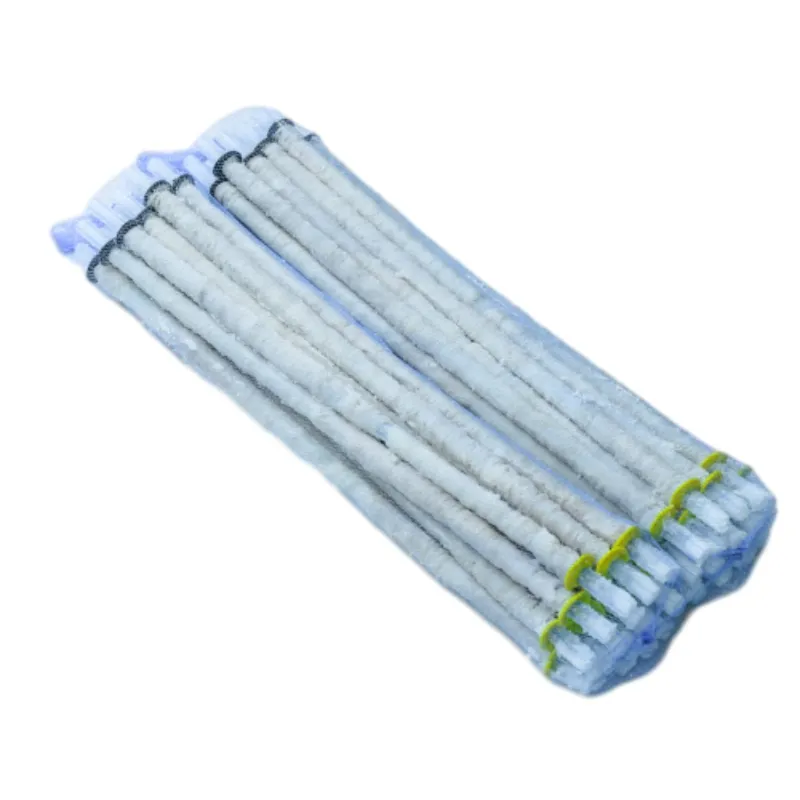
In a world humming with innovation, the edible vegan sausage casing is quietly becoming a game changer. It’s not just about swapping animal by-products for plant-based alternatives; it’s a statement about sustainability, health, and ethics converging in food manufacturing. As global populations rise and climate change pressures mount, addressing how we package and produce food — like sausage casings — isn't a trivial detail. It touches on supply chains, consumer safety, waste reduction, and even cultural acceptance. Understanding edible vegan sausage casings offers a glimpse into the future of food tech and how we think about nourishing ourselves in harmony with the planet.
Global Context: A Sector in Transition
You might be surprised, but the global sausage casing market — traditionally dominated by animal intestines or synthetic plastics — is shifting fast. According to recent reports by the International Organization for Standardization (ISO), plant-based food technologies are expanding at an annual growth rate of nearly 15%. This isn’t just a fad; it’s a necessity as livestock farming accounts for around 14.5% of all anthropogenic greenhouse gas emissions (UN FAO, 2020) and food packaging contributes significant plastic waste.
Traditional sausage casings are often sourced from animals, which raises ethical and environmental concerns, especially in areas with limited access to sustainable resources. Edible vegan sausage casing steps in here as a solution that addresses multiple challenges: it’s cruelty-free, reduces environmental footprint, and caters to growing vegan and vegetarian consumer bases worldwide.
What Exactly Is Edible Vegan Sausage Casing?
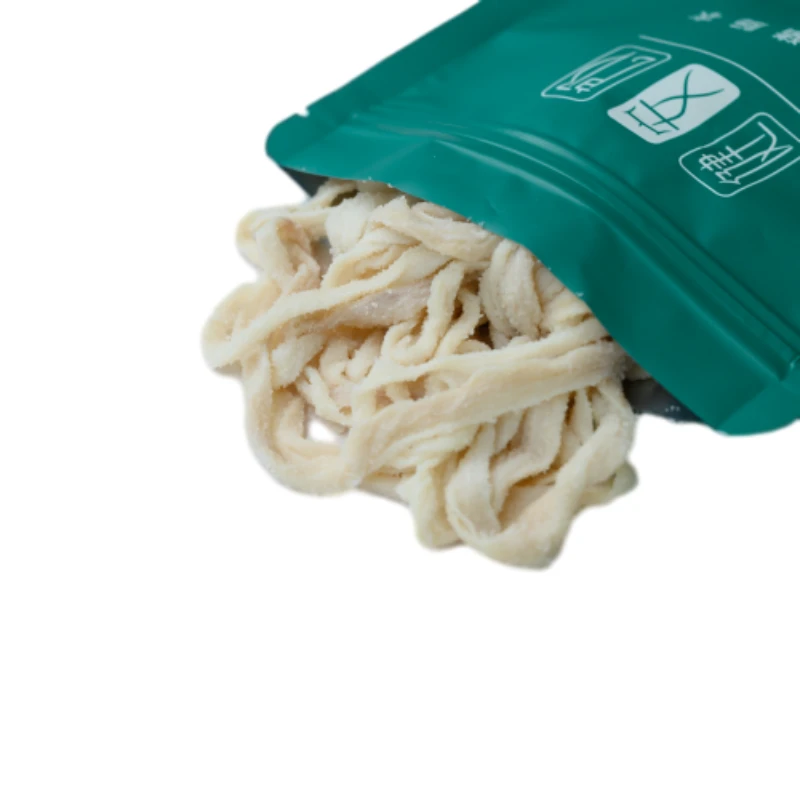
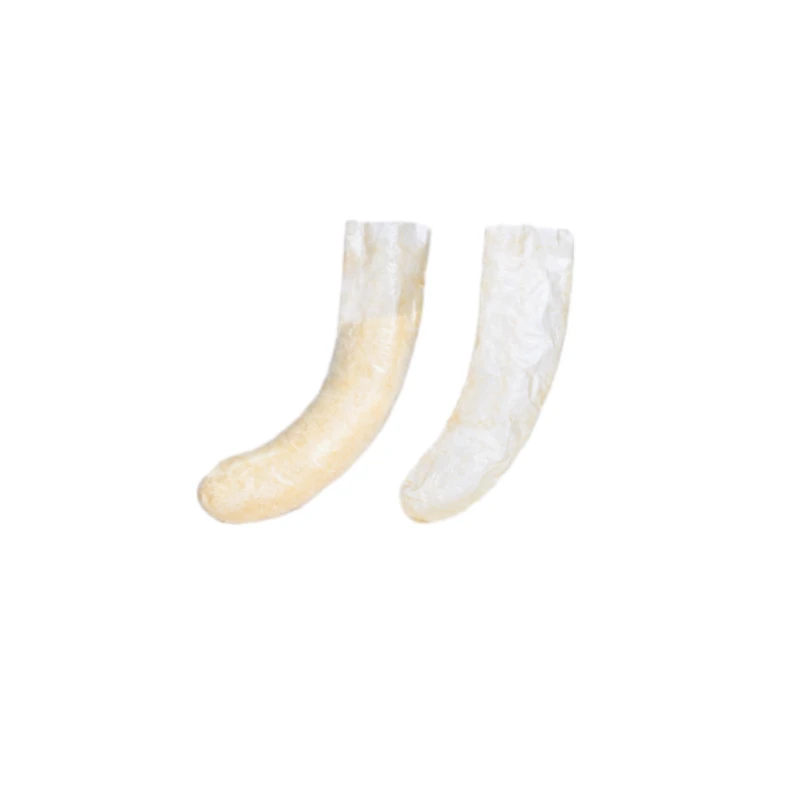
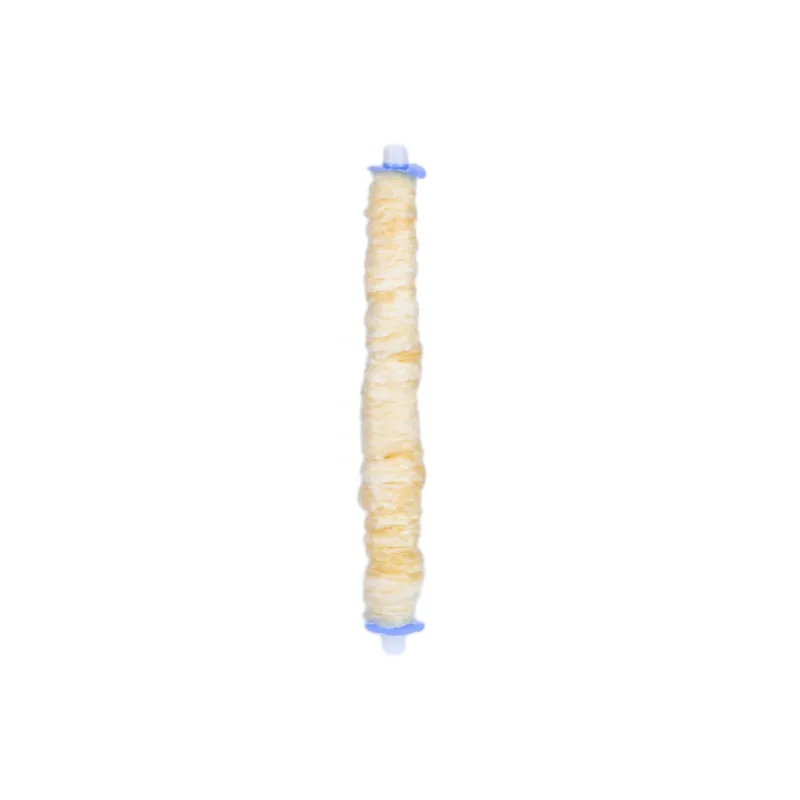
Simply put, edible vegan sausage casing is a protective layer made from plant-based or alternative natural materials designed to encase sausages, fully consumable without harming animal life. Unlike synthetic plastic casings, these are generally derived from proteins like pea, soy, or seaweed extracts, and sometimes even innovative fungal or cellulose blends.
It isn’t just a substitute; it’s part of a shift in modern food manufacturing that aligns with humanitarian needs — from reducing the carbon footprint to providing allergen-friendly, sustainable protein sources in remote or resource-challenged regions.
Key Attributes That Define Modern Edible Vegan Sausage Casings
1. Durability and Flexibility
One of the big names in sausage casing talk is strength — the casing must withstand stuffing, cooking, smoking, and slicing without tearing. Many engineers say plant-based casings have historically struggled here, but recent advances in materials science, especially using plant proteins with natural cross-linking agents, have dramatically improved their resilience.
2. Scalability of Production
Producing these casings on a commercial scale matters. Since demand is rapidly rising with vegan diets gaining ground, facilities must handle substantial quantities without bottlenecks. Technologies like extrusion and biochemical processing are proving effective, allowing manufacturers to meet industrial volumes with a consistent product.
3. Cost Efficiency
Of course, cost can’t be ignored. At first glance, high-tech ingredient sourcing and processing might push prices up — but as supply chains mature, economies of scale and continuous innovation are driving down costs, making vegan casings increasingly competitive against traditional animal or synthetic options.
4. Food Safety & Regulatory Compliance
Food safety agencies worldwide demand rigorous testing for new food-contact materials. The best edible vegan sausage casings pass stringent checks for allergens, microbial resistance, and shelf life. Adhering to ISO food safety standards is now the norm, not the exception — which further boosts consumer trust.
5. Sensory and Culinary Compatibility
The casing must deliver not only function but also flavor neutrality or the ability to complement various sausage types. Some innovators add natural flavor enhancers or allow for color customization, giving producers versatility in their artisan or mass-produced lines.
Mini Takeaway:
Durability, scalability, cost, safety, and taste all form the pillars that make edible vegan sausage casing not just viable but a smart choice for modern producers.
How Edible Vegan Sausage Casings Are Making a Global Impact
The beauty of these casings is their diverse real-world applications. For instance, in Europe and North America, where veganism and sustainability rank high on consumer priorities, plant-based casings help companies carve out ethical product lines. Large-scale manufacturers in Germany and the US have reported significant consumer uptake in vegan sausage products using these casings.
Meanwhile, in disaster relief operations, such as those coordinated by the UN World Food Programme, vegan casings enable cost-effective, culturally sensitive protein offerings that can be shipped and prepared easily without refrigeration—a huge boon when cold chain infrastructure is limited.
In Asia and emerging markets, local producers use edible vegan casings made from seaweed or rice starch, tapping into abundant local resources and reducing import dependency.
Product Specification Table
| Specification | Typical Value | Notes |
|---|---|---|
| Material Composition | Pea Protein & Seaweed Blend | Allergen-Free, GMO-Free |
| Tensile Strength | 7.5 MPa | Comparable to natural casings |
| Diameter Range | 16–35 mm | Suitable for most sausages |
| Shelf Life | 6 months (dry packed) | Requires cool, dry storage |
| Cooking Tolerance | Up to 100°C (212°F) | Ideal for boiling and steaming |
Comparing Leading Vendors in Edible Vegan Sausage Casings
| Vendor | Material Base | Price per kg | Processing Method | Notable Strength |
|---|---|---|---|---|
| PlantWrap Co. | Pea Protein & Agar | $25–30 | Extrusion & Casting | High tensile strength |
| EcoSkin Foods | Seaweed-Based | $28–33 | Freeze-Drying & Molding | Natural flavor neutrality |
| GreenGut Innovations | Soy & Fungal Protein Mix | $23–29 | Bio-extrusion | Excellent cooking tolerance |
Advantages and Enduring Value
Choosing edible vegan sausage casing isn’t just a trendy perk; it’s a multi-dimensional win:
- Environmental impact: Reduced greenhouse emissions and plastic waste.
- Cost savings: Lower disposal and processing costs over time.
- Consumer trust and brand image: Aligns with ethical and health-conscious buyer values.
- Safety and hygiene: Less risk of contamination linked to animal by-products.
- Accessibility: Expands market reach to vegans, vegetarians, and allergen-sensitive individuals.
From an emotional angle, it feels good to know that every bite supports innovation that respects life and planet — a subtle but powerful aspect many brands and consumers treasure.
What's Next? Trends Shaping the Future
Looking ahead, firms are experimenting with edible casings integrating smart sensors that signal spoilage or temperature abuse — a neat intersection of food tech and IoT. You’ll also see a rise in local bio-based raw materials, reducing reliance on imports and lowering carbon footprints.
There’s transparency initiatives too — QR codes on vegan sausages that reveal the sourcing and manufacturing journey of the casing itself. To sum it up: the future looks both green and smart.
Challenges and How the Industry Is Meeting Them
Of course, every silver lining has some cloud. Edible vegan casings can struggle with bruising under rough handling, and achieving consistent thickness for industrial clients is tricky. Allergies to some plant proteins (like soy) are a concern that requires careful labeling and alternatives.
Innovators are addressing these with hybrid blends (combining multiple plant proteins), better packaging design, and stricter quality control. Plus, educating consumers on the benefits and use instructions helps adoption rally faster.
Frequently Asked Questions About Edible Vegan Sausage Casings
- Q: Are edible vegan sausage casings as strong as traditional animal casings?
- A: Modern edible vegan casings have been engineered to match or even exceed the tensile strength of natural casings, thanks to advances in plant protein processing and cross-linking techniques.
- Q: Can these casings be used for all types of sausages, including smoked varieties?
- A: Yes, many edible vegan casings are designed to handle cooking, steaming, and smoking processes, though it’s important to select casings specifically rated for the intended preparation method.
- Q: Do edible vegan casings affect sausage flavor?
- A: Typically, high-quality vegan casings are flavor-neutral, meaning they don’t alter the taste of the sausage, allowing recipes to shine through as intended.
- Q: Are these casings suitable for people with soy allergies?
- A: Some vegan casings use soy, so allergen information should be clearly labeled. Alternatives made from pea protein or seaweed offer allergen-friendly options.
- Q: Where can manufacturers source edible vegan sausage casings?
- A: Leading suppliers can be found globally, and visiting dedicated sites such as edible vegan sausage casing suppliers is a great starting point.
Wrapping It Up: Why Edible Vegan Sausage Casings Are Here to Stay
To sum up, these casings represent more than just a product innovation — they symbolize a meaningful step towards sustainable, ethical, and practical food manufacturing solutions. Whether for a boutique vegan chorizo or emergency food kits, edible vegan sausage casing offers long-term benefits that ripple through economy, environment, and personal values.
Curious to explore how these casings could fit into your food line or project? Don’t hesitate to check out detailed options and industry insights on edible vegan sausage casing.