Jan . 05, 2026 01:40
Dried Sausage Casings: What Makes Them a Staple in Industrial Meat Processing
Having spent years navigating the quirks and challenges of the industrial equipment sector, I’ve developed a bit of a soft spot for the unsung heroes of food manufacturing—specifically, dried sausage casings. You might think casings are just simple containers, but in real terms, they’re a fascinating material science puzzle that’s critical for product quality and consistency.
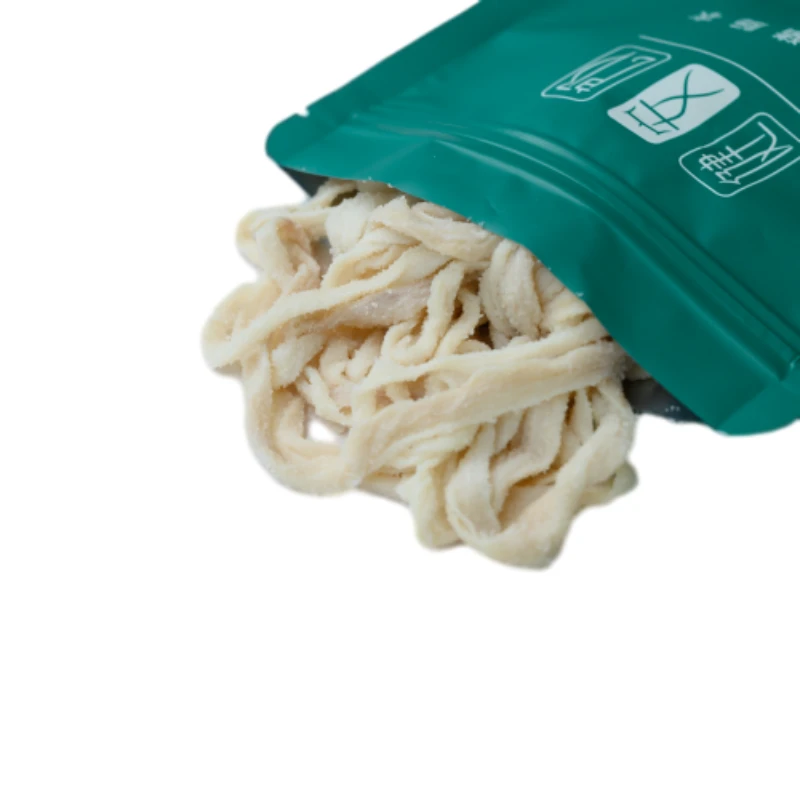
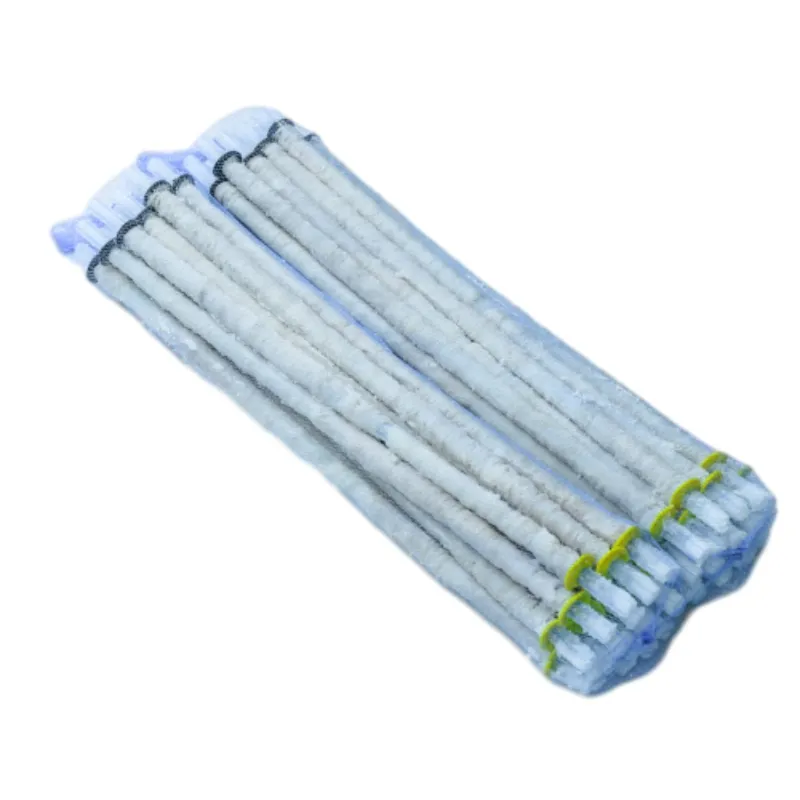
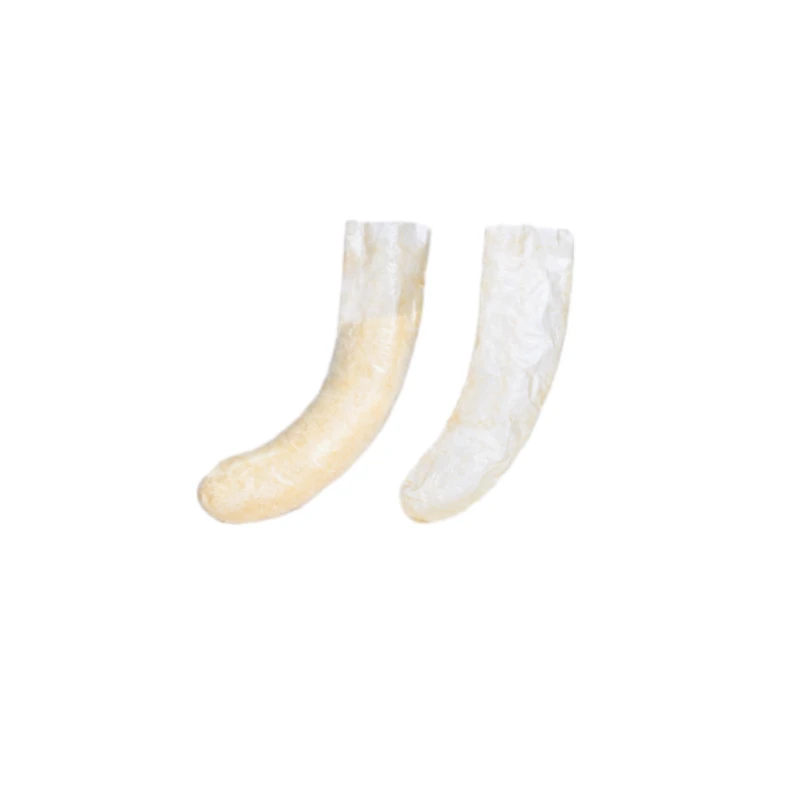
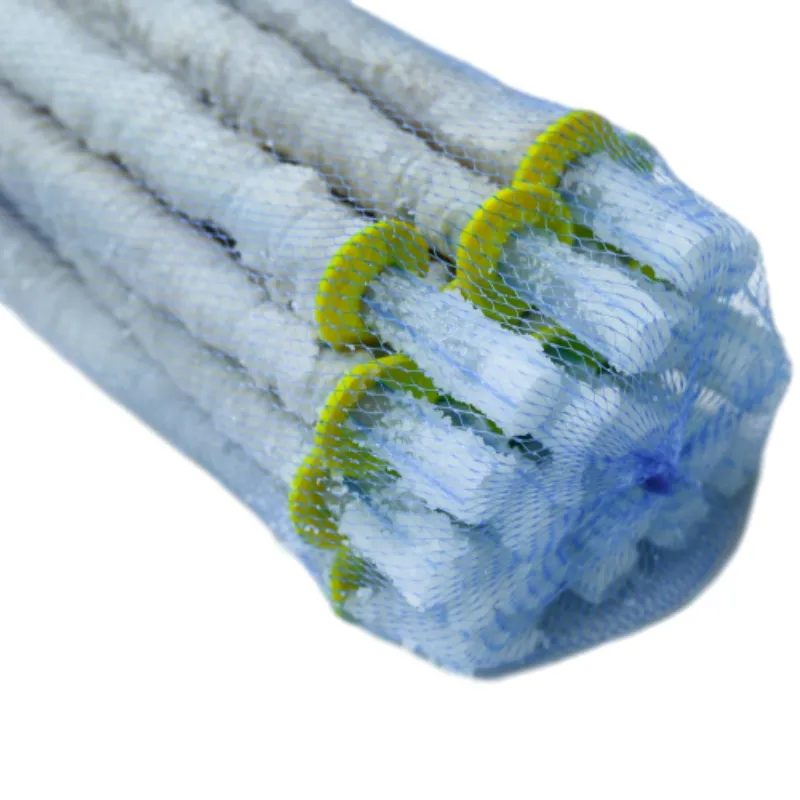
Dried sausage casings are essentially natural or collagen membranes prepared to encase meat, giving sausages that distinctive shape and texture. What's interesting is how they balance strength and permeability, which you rarely consider until you’ve seen a batch split or leak during processing. Over the years, I’ve noticed that choosing the right casing can make or break a production line’s efficiency.
Most industrial operations lean towards collagen-based dried casings these days—primarily because they’re engineered for uniformity and easy handling. But traditional natural casings, often made from the intestines of animals, still hold strong in artisan and specialty sausage markets. Both types undergo rigorous testing for thickness, tensile strength, and elasticity.
By the way, when I first started, I distinctly remember a client complaining about flaky casings causing downtime; after swapping to a premium supplier, their process quality improved dramatically—less waste, better end-product appearance. It just goes to show, sourcing from a reputable vendor isn’t a trivial matter.
| Specification | Natural Casings | Collagen Casings |
|---|---|---|
| Material | Animal Intestines | Derived from bovine or porcine collagen |
| Diameter Range | Casual, 18-32 mm typical | Highly consistent, 15-45 mm |
| Moisture Content | Approx. 12-16% | Consistently below 14% |
| Strength | Good but variable | Engineered for high tensile strength |
| Shelf Life | 4-6 months stored properly | Up to 12 months |
Comparing Industry Vendors for Dried Sausage Casings
If you’re in the market for dried sausage casings, you quickly realize that vendor choice impacts everything from cost to consistency. I’ve tracked some of the major players —RT Casing tends to stand out for quality and innovation, particularly their collagen casings, which offer great uniformity and fewer processing hiccups.
| Vendor | Product Range | Quality Control | Pricing | Lead Times |
|---|---|---|---|---|
| RT Casing | Collagen & Natural | ISO 22000 certified, extensive testing | Moderate, value-driven | 2-3 weeks standard |
| Vendor B | Mostly Natural Casings | Basic QC, limited automation | Lower budget options | 3-5 weeks |
| Vendor C | Synthetic & Collagen | High tech QC, automation | Premium pricing | 1-2 weeks (express) |
Frankly, when dealing with dried casings, you want a vendor who offers consistent quality and responsive support over the cheapest price. Oddly enough, some companies skimp here and it shows in rework and waste. That’s why I often recommend RT Casing—their industry reputation is solid because they understand these nuances from the ground up.
Additionally, customization is a big plus in this space. You might need specific diameters, thicknesses, or even presentation formats. Good vendors will work with your requirements, even if you’re adjusting batch sizes or experimenting with new sausage recipes. It’s the little flexibilities that make a big difference on the production floor.
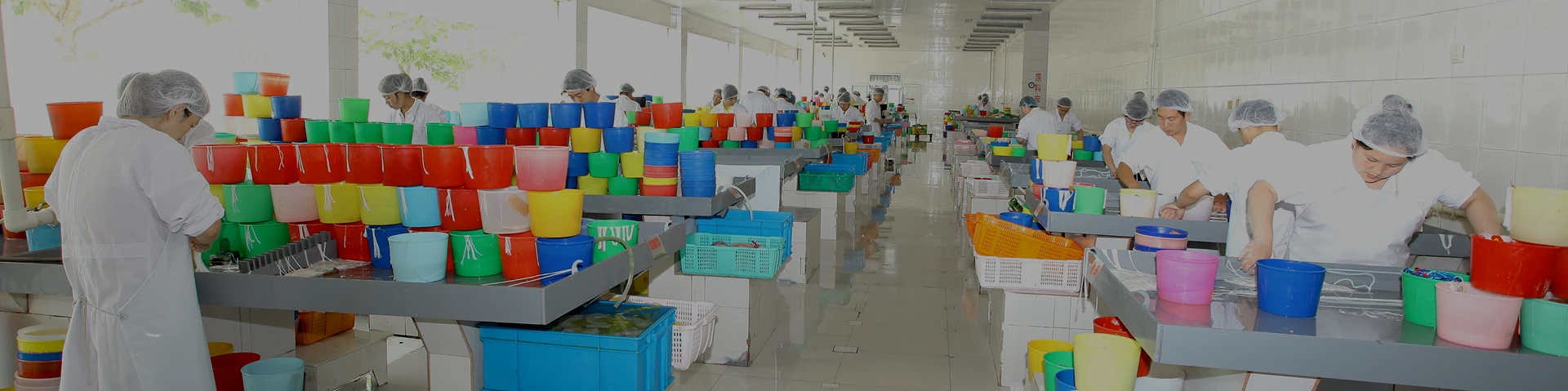
If you ever get the chance to tour a high-volume sausage manufacturing plant, watch how casings get hung, sorted, and filled—it’s a subtle choreography of engineering and experience. The right casing holds its form, doesn’t burst prematurely, and even affects the final taste and texture by its breathability during curing.
In my modest experience, dried sausage casings are so much more than packaging — they’re an integral part of creating a consistent, tasty product. Keep an eye on vendor credentials and product specs, and frankly, that’ll save you downtime and headaches down the road.
Just a little bit of casing knowledge from someone who’s been in the trenches… Hope it helps your next sausage project!
References:
- Meat Science and Applications, Y. H. Hui et al., 2007
- International Journal of Food Science, “Collagen Meat Casings Market Analysis,” 2022
- RT Casing Company Website, accessed 2024