Aug . 27, 2025 07:40
Introduction to Dried Hog Casings and Their Application
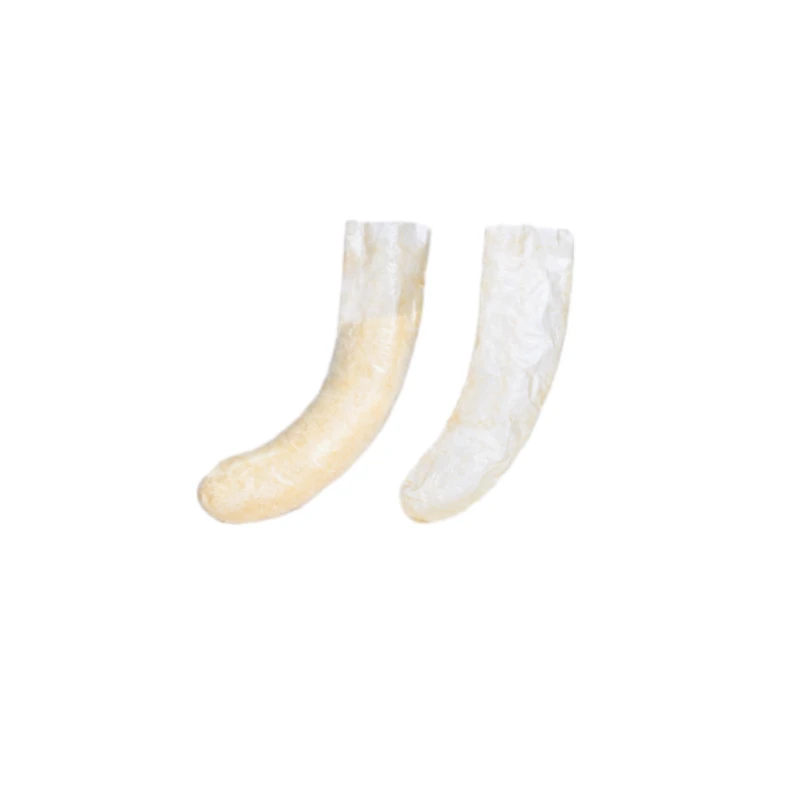
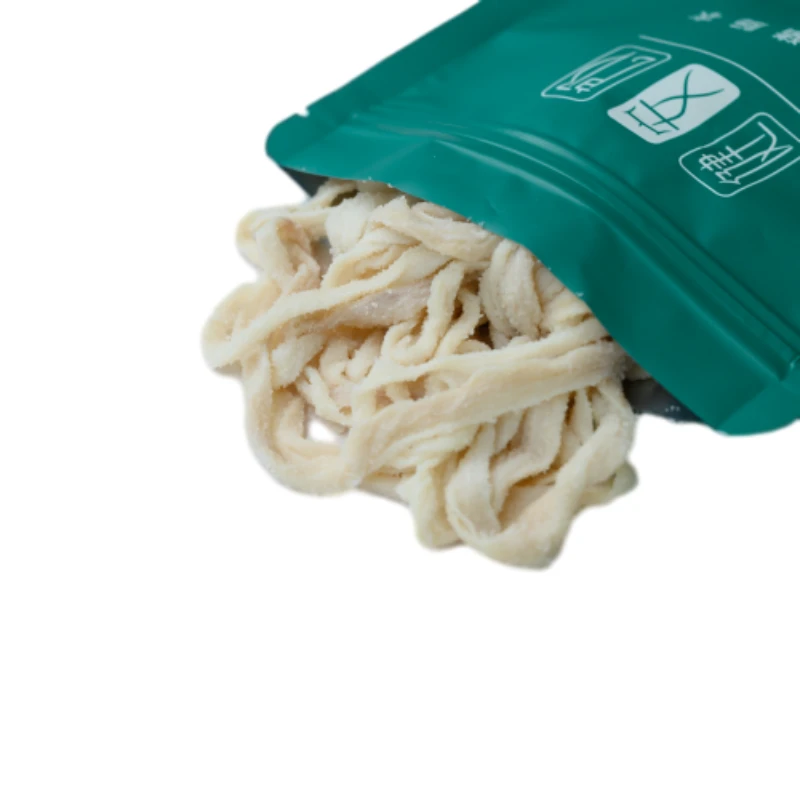
In the realm of artisanal charcuterie and industrial meat processing, the choice of casing is paramount to the final product's quality, texture, and flavor profile. Dried hog casings, derived from the submucosa of porcine intestines, represent a traditional and highly valued option due to their natural permeability, strength, and unique contribution to the sausage maturation process. Understanding how to use dry sausage casing effectively is a critical skill for any producer aiming for superior results. These casings are meticulously processed to ensure consistent quality, meeting stringent industry standards for hygiene and performance.
This comprehensive guide delves into the technical specifications, application methodologies, advantages, and market dynamics surrounding dried hog casings, offering B2B decision-makers and technical personnel the insights necessary for optimal product integration and process optimization. We will explore the journey from raw material to finished product, highlighting the intricate steps involved in preparing and utilizing these natural casings to achieve exceptional sausage products.
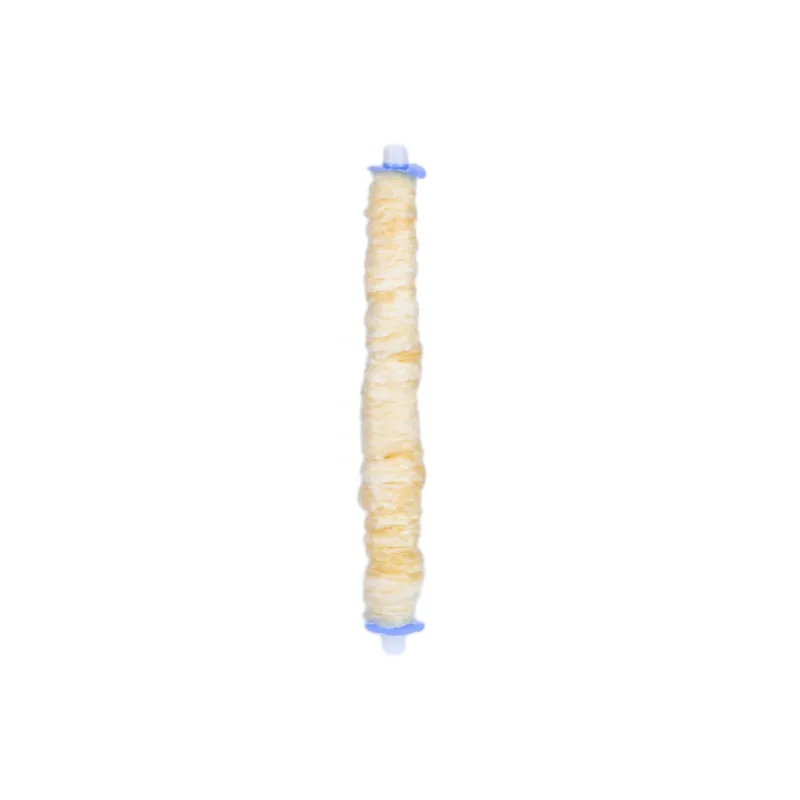
Process Flow: From Raw Material to Sausage Production
Manufacturing Process of Dried Hog Casings
The production of dried hog casings is a multi-stage process that transforms raw animal intestines into a robust, food-grade product. This process emphasizes hygiene, preservation, and quality control to ensure a safe and effective casing material.
- Raw Material Procurement and Initial Cleaning: Fresh hog intestines are sourced from inspected slaughterhouses. Initial cleaning involves flushing and stripping to remove mesenteric fat, mucus, and foreign matter.
- Calibration and Grading: The cleaned intestines are calibrated for consistent diameter (caliber) and graded based on quality, strength, and absence of defects. This ensures uniformity in the final product.
- Salting and Curing: Casings are heavily salted (brined or dry-salted) to dehydrate them, inhibit microbial growth, and preserve their structural integrity. This is a critical step for extending shelf life.
- Drying: After initial curing, the casings undergo a controlled drying process. This further reduces moisture content, enhancing their strength and making them shelf-stable without refrigeration. This process is carefully monitored to prevent brittleness or degradation.
- Final Inspection and Packaging: Dried casings are re-inspected for quality, bundled, and packaged according to customer specifications, often vacuum-sealed to maintain freshness and prevent rehydration.
Testing standards throughout this process adhere to international food safety regulations such as HACCP (Hazard Analysis and Critical Control Points) and ISO 22000, ensuring product safety and quality. The service life of properly stored dried hog casings can extend up to two years, maintaining optimal performance.
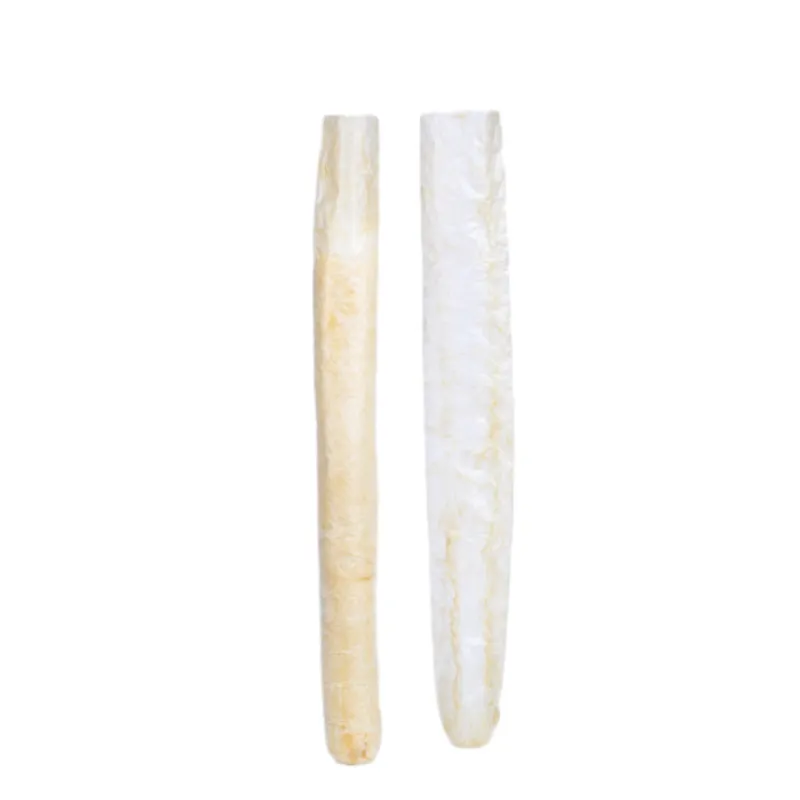
Application Process: How to Use Dry Sausage Casing
Mastering the technique of how to use dry sausage casing is essential for achieving optimal product consistency and quality. This involves careful rehydration and proper stuffing techniques.
- Rehydration: Dried hog casings must be thoroughly rehydrated before use. This typically involves soaking them in cool water (15-20°C) for several hours, often overnight, or in lukewarm water (around 30-35°C) for 30-60 minutes, changing the water multiple times. The goal is to restore their natural elasticity and pliability. Over-soaking or using hot water can damage the casing structure. Some processors opt for a final rinse with vinegar or wine solutions to enhance flavor or microbial stability, depending on the sausage recipe.
- Flushing: Before stuffing, it is crucial to flush the inside of the casings with fresh water. This removes any residual salt and ensures easy sliding onto the stuffing horn.
- Stuffing: The rehydrated casing is carefully loaded onto the stuffing horn of a sausage stuffer. The meat emulsion or grind is then gently and consistently fed into the casing, ensuring an even fill without air pockets. It is important to avoid over-stuffing, which can lead to bursting, or under-stuffing, which results in a loose product. The natural elasticity of hog casings allows for good filling capacity while maintaining product integrity.
- Linking and Tying: Once stuffed, the sausage rope is twisted or tied into individual links of desired length. This requires precision to create uniform portions.
- Drying, Smoking, and Curing: For dry-cured or smoked sausages, the filled casings are then subjected to controlled drying, smoking, or fermentation processes. The natural permeability of dried hog casings is a significant advantage here, allowing for optimal moisture loss, smoke penetration, and development of complex flavors through microbial activity. This is where the casing truly shines, contributing to the characteristic texture and appearance of premium sausages.
Target industries include artisanal charcuterie producers, large-scale meat processing plants, and specialty food manufacturers. Advantages in typical application scenarios include superior smoke absorption for enhanced flavor, excellent breathability for even drying and curing, and a desirable 'snap' texture upon consumption. These characteristics are critical for products like Italian sausages, frankfurters, bratwurst, and various dry-cured specialties.
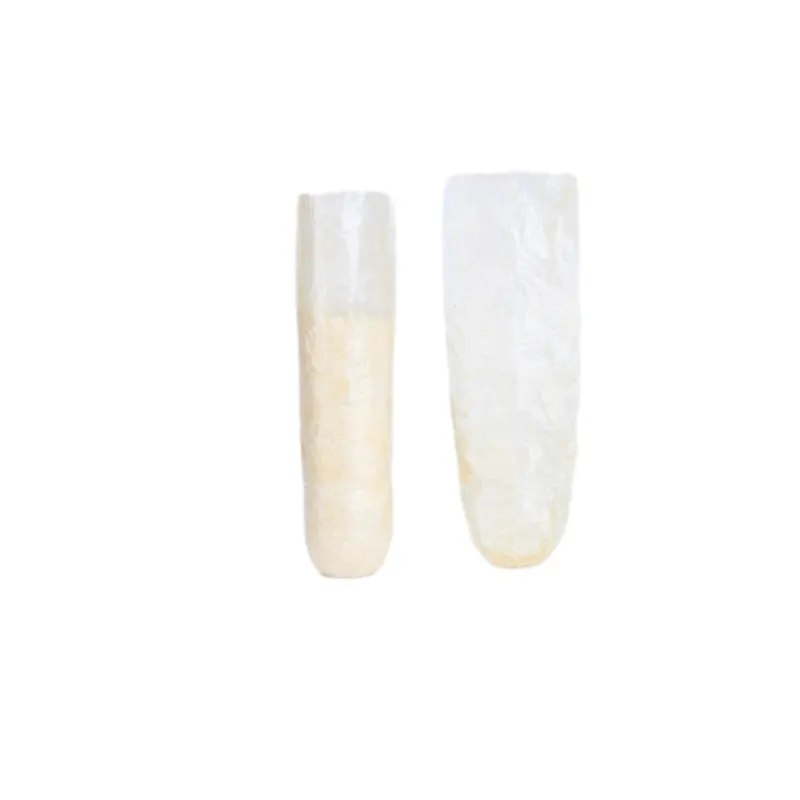
Industry Trends in Natural Casings
The market for natural sausage casings is influenced by evolving consumer preferences and technological advancements. A key trend is the increasing demand for "clean label" products, which favors natural casings like dried hog casings over artificial alternatives. Consumers are increasingly valuing traditional, authentic ingredients and production methods, aligning perfectly with the inherent qualities of natural casings.
Sustainability is another driving force. Producers are seeking suppliers who adhere to ethical sourcing practices and minimize environmental impact. Traceability from farm to fork is becoming a non-negotiable aspect, and reputable casing suppliers often provide detailed information about their raw material origins. Furthermore, there's a growing appreciation for regional specialties and gourmet sausage products, which often rely exclusively on high-quality natural casings to achieve their distinctive characteristics. The consistent quality and availability of `dried hog casings` are thus crucial for meeting these market demands.
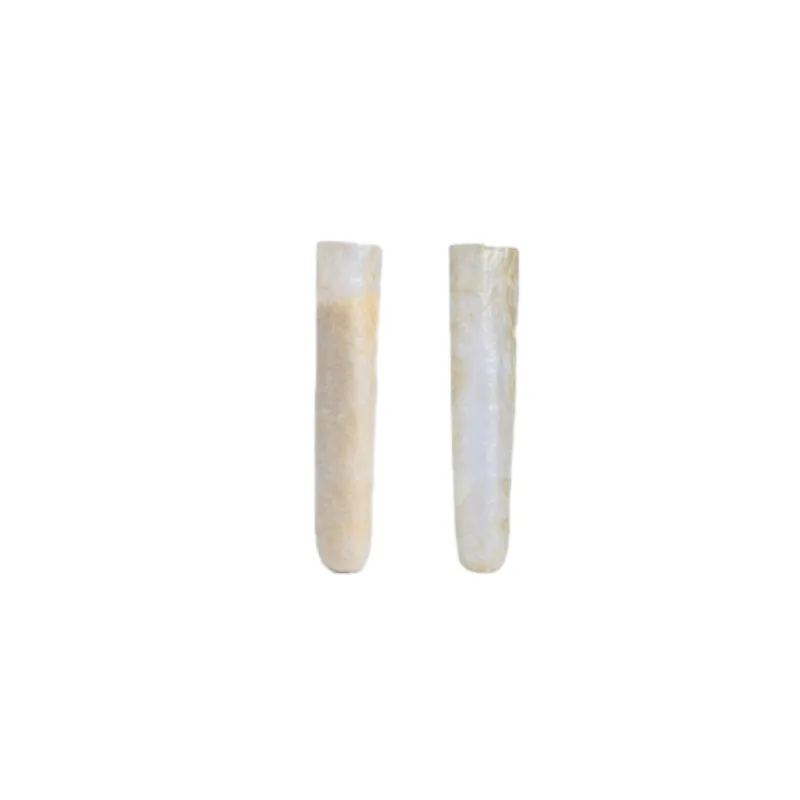
Technical Specifications of Dried Hog Casings
The performance of dried hog casings is defined by a range of technical parameters. These specifications are crucial for producers to select the appropriate casing for their specific sausage products, ensuring consistent quality and optimal processing efficiency.
| Parameter | Specification Range | Relevance to Application |
|---|---|---|
| Caliber (Diameter) | 28mm to 40mm (e.g., 28/30, 30/32, 32/35, 35/38, 38/40) | Determines sausage thickness and type (e.g., breakfast sausage vs. frankfurter). Essential for product uniformity. |
| Length per Hank/Bundle | Typically 91.44 meters (100 yards) per hank, or specific lengths per strand. | Influences production efficiency and waste minimization. |
| Salt Content (as-is) | ~20% - 30% by weight (for heavily salted varieties) | Indicates preservation method. Requires thorough rinsing during rehydration. |
| Wall Thickness/Strength | Varied; contributes to burst strength and stuffing tolerance. | Critical for preventing breakage during stuffing and handling. Good 'snap' quality. |
| Permeability | High permeability to smoke and moisture. | Essential for proper drying, smoking, and flavor development in cured sausages. |
| Shelf Life | 12-24 months when stored correctly (cool, dry, dark place). | Ensures inventory management flexibility and reduces waste. |
| Origin/Traceability | Specific country/region of origin (e.g., EU, USA, China). | Important for regulatory compliance and meeting consumer demand for transparency. |
These parameters are continuously monitored and validated through supplier quality assurance programs, often aligned with ISO 9001 and food safety standards like GFSI-recognized schemes. The ability of dried hog casings to consistently meet these specifications underscores their reliability in demanding production environments.
Application Scenarios and Technical Advantages
Dried hog casings are incredibly versatile, finding extensive use across a spectrum of sausage types and production scales. Their natural properties provide distinct technical advantages over synthetic alternatives, particularly in products where traditional characteristics are desired.
Diverse Application Scenarios
- Fresh Sausages: Ideal for breakfast sausages, Italian sausages, bratwurst, and knackwurst. The casing provides a natural appearance and a satisfying 'snap' when cooked.
- Smoked Sausages: Frankfurters, kielbasa, and other smoked varieties benefit from the casing's excellent smoke permeability, allowing for deep flavor infusion and rich color development.
- Dry-Cured Sausages: Chorizo, salami, and various artisan dry sausages rely on dried hog casings for controlled moisture loss and optimal fermentation. The casing's natural collagen matrix interacts with mold cultures, enhancing flavor and preserving the product.
- Artisanal and Gourmet Products: Preferred by craft butchers and high-end charcutiers for their authentic appeal and contribution to complex flavor profiles.
Technical Advantages
The selection of natural dried hog casings offers several intrinsic benefits that contribute to superior sausage production:
- Permeability: Unlike many synthetic casings, natural casings are permeable to air, smoke, and moisture. This is crucial for the drying and smoking processes, allowing for even moisture evaporation and deep smoke penetration, which are vital for flavor development and preservation in cured products.
- "Snap" and Texture: The unique collagen structure provides an unparalleled eating experience, characterized by a distinct 'snap' or 'pop' when bitten, highly sought after in premium sausages.
- Adherence: Natural casings adhere well to the sausage meat, minimizing the formation of fat pockets and ensuring a cohesive product structure. This adherence is particularly beneficial during the drying and curing phases as the meat shrinks.
- Flavor Enhancement: The casing's natural properties contribute to the overall flavor complexity, especially in fermented and dry-cured products, by facilitating the exchange of gases and supporting beneficial microbial activity on the surface.
- Traditional Appeal: For brands emphasizing authenticity and traditional craftsmanship, natural casings are indispensable, offering a clean label ingredient that resonates with consumer demand for natural products.
- Strength and Elasticity: Despite being natural, modern processed dried hog casings offer excellent tensile strength and elasticity, minimizing breakage during stuffing and handling, provided the operator understands how to use dry sausage casing correctly.
Vendor Comparison and Customized Solutions
Selecting the right supplier for `dried hog casings` is a strategic decision that impacts product quality, consistency, and supply chain reliability. A thorough vendor comparison should extend beyond mere pricing to encompass critical operational and quality metrics.
Key Vendor Comparison Criteria
| Criterion | Description & Importance |
|---|---|
| Quality & Consistency | Uniform caliber, minimal defects (holes, thin spots), consistent strength. Directly impacts stuffing efficiency and final product appearance. |
| Certifications | Accreditations like HACCP, ISO 22000, FDA approval, Halal/Kosher. Ensures adherence to international food safety and ethical standards. |
| Traceability | Ability to track raw material origin. Essential for quality control, compliance, and consumer trust. |
| Customization Capabilities | Offering specific calibers, lengths, or packaging configurations to meet unique production needs. |
| Technical Support | Expert advice on storage, rehydration, and stuffing techniques. Crucial for optimizing yield and quality when dealing with how to use dry sausage casing. |
| Lead Time & Logistics | Reliable delivery schedules and efficient global logistics, particularly for bulk orders. |
| Pricing & Value | Competitive pricing relative to the quality, consistency, and support provided. Focus on total cost of ownership. |
Customized Solutions
Leading suppliers understand that "one size fits all" rarely applies in the specialized world of sausage production. They offer customized solutions to address specific operational requirements:
- Specific Caliber and Lengths: Tailored sorting and bundling to match particular sausage types (e.g., specific small calibers for snack sticks or larger for specialty dry-cured salamis).
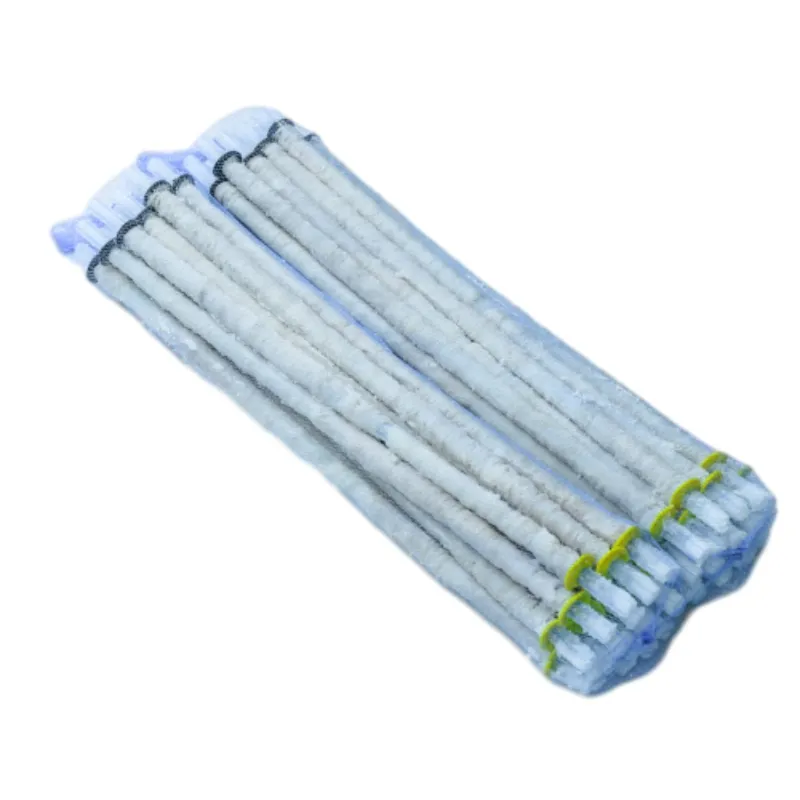
- Packaging Options: From bulk barrels of salted casings to pre-tubed or netted dry casings for automated stuffing, packaging can be customized to enhance efficiency.
- Pre-flushed or Pre-soaked: While less common for dried casings due to shelf-life implications, some suppliers may offer partially prepared `dried hog casings` for immediate use in certain high-volume scenarios, though this reduces the 'dry' aspect.
- Brand Labeling: Private label opportunities for distributors and large-scale producers.
Application Case Studies
Real-world examples illustrate the transformative impact of high-quality `dried sausage casings` when properly integrated into production. These case studies highlight the technical and commercial advantages achieved by mastering how to use dry sausage casing.
Case Study 1: Artisan Salami Producer Optimizes Drying Efficiency
A renowned artisan salami producer in Europe faced challenges with inconsistent drying rates and occasional mold issues when using lower-grade hog casings. After switching to a premium supplier offering `dried hog casings` with guaranteed permeability and consistent wall thickness, they observed a significant improvement. The uniform porosity of the new casings allowed for more controlled and even moisture loss during the critical initial drying phase, reducing microbial spoilage and accelerating the curing process by 10%. This resulted in a more consistent final product, reduced waste, and enhanced flavor development, contributing to a 15% increase in production throughput.
Case Study 2: Large-Scale Frankfurter Manufacturer Achieves Superior "Snap"
A major North American frankfurter manufacturer sought to improve the textural quality of their flagship product, specifically the characteristic "snap" upon biting. Their existing casings offered adequate strength but lacked the desired textural attribute. By collaborating with a specialized supplier of `dried hog casings`, they were able to procure casings with optimized collagen density and processing, which, after rehydration, consistently delivered the sought-after "snap." This strategic material change led to overwhelmingly positive consumer feedback, differentiating their product in a competitive market and contributing to a 5% market share increase within a year.
Case Study 3: Asian Specialty Sausage Plant Reduces Breakage Rates
A high-volume producer of fresh specialty pork sausages in Asia struggled with casing breakage during automated stuffing, leading to significant material loss and production downtime. Their technical team worked closely with a supplier providing meticulously calibrated `dried sausage casings` known for their superior elasticity and burst strength. Through rigorous testing, the supplier demonstrated their product's resilience to higher stuffing pressures. Implementing these new casings, coupled with refined rehydration protocols based on supplier guidance on how to use dry sausage casing, resulted in a 25% reduction in breakage rates, translating directly into enhanced operational efficiency and reduced raw material costs.
Trustworthiness and Support: FAQ, Lead Time, Warranty
Establishing trust with B2B clients requires transparency, robust support, and clear commitments. Reputable `dried hog casing` suppliers prioritize these elements to build lasting partnerships.
Frequently Asked Questions (FAQ) about How to Use Dry Sausage Casing
-
Q: How long should `dried hog casings` be rehydrated?
A: For optimal pliability and strength, rehydrate in cool water (15-20°C) for a minimum of 6-8 hours, ideally overnight. If using lukewarm water (30-35°C), soak for 30-60 minutes, ensuring multiple water changes.
-
Q: Can I re-salt unused rehydrated casings?
A: Yes, thoroughly re-salt any unused rehydrated casings to preserve them. Store them in an airtight container in the refrigerator. They can typically be re-used within a few days to a week, but their quality might slightly diminish with repeated rehydration cycles.
-
Q: What is the optimal storage for `dried hog casings`?
A: Store them in their original sealed packaging in a cool, dry, dark environment (e.g., a pantry or storeroom) at temperatures between 5-15°C (41-59°F). Avoid direct sunlight or extreme temperature fluctuations. Refrigeration is generally not required for truly dried casings until rehydrated.
-
Q: How can I prevent casing breakage during stuffing?
A: Ensure thorough rehydration, use the correct size stuffing horn for the casing caliber, avoid over-stuffing, and maintain consistent pressure. High-quality casings from reputable suppliers will also significantly reduce breakage risks. Understanding how to use dry sausage casing correctly is paramount.
Lead Time and Fulfillment Details
For standard `dried hog casing` products, typical lead times range from 3-7 business days for domestic shipments and 10-20 business days for international orders, depending on destination and customs clearance. Custom orders, such as specific calibration requirements or large volumes, may require slightly extended lead times, which are communicated clearly at the quotation stage. Suppliers with robust logistics networks and strategically located warehouses can often expedite deliveries to meet urgent production schedules.
Warranty Commitments
Reputable `dried hog casing` manufacturers offer a comprehensive quality warranty, typically covering product defects for a period aligning with the recommended shelf life (e.g., 12 months from the date of manufacture). This warranty ensures that products meet specified quality standards, including caliber, strength, and overall integrity, provided they are stored and handled according to guidelines. Any claims are typically addressed through a transparent returns and replacement policy, underscoring the supplier's commitment to customer satisfaction and product reliability.
Customer Support Information
Dedicated technical support teams are crucial for guiding clients on how to use dry sausage casing and troubleshooting any operational challenges. Comprehensive customer support typically includes:
- Technical Assistance: Expert advice on rehydration, stuffing techniques, and storage.
- Order Management: Support for order placement, tracking, and logistics inquiries.
- Quality Assurance Liaison: Dedicated contacts for addressing quality concerns and warranty claims.
- Training Resources: Provision of guides, videos, or on-site training sessions for optimal product utilization.
Conclusion
Mastering the art and science of how to use dry sausage casing is indispensable for producers committed to crafting high-quality, authentic sausage products. Dried hog casings offer a confluence of traditional appeal, unparalleled permeability, and robust performance that sets them apart in the meat processing industry. By understanding their intrinsic properties, adhering to proper preparation and stuffing techniques, and partnering with reputable suppliers who uphold stringent quality and traceability standards, businesses can leverage the full potential of these natural casings.
The insights provided in this article aim to equip B2B stakeholders with the knowledge to make informed decisions, optimize their production processes, and ultimately deliver superior sausage products that meet evolving consumer demands for quality, authenticity, and sustainability. As the market continues to value natural and traditional ingredients, dried hog casings will remain a cornerstone for premium sausage production worldwide.
References
- USDA Food Safety and Inspection Service. (n.d.). Labeling of Meat and Poultry Products. Retrieved from USDA website.
- European Food Safety Authority (EFSA). (n.d.). Food Additives and Flavorings. Retrieved from EFSA website.
- HACCP Principles & Application Guidelines. (1997). National Advisory Committee on Microbiological Criteria for Foods. Retrieved from FDA website.
- ISO 22000:2018. (2018). Food safety management systems – Requirements for any organization in the food chain. International Organization for Standardization.
- National Agricultural Library. (n.d.). Meat and Poultry Processing. Retrieved from NAL website.