Dec . 02, 2025 20:58
What Exactly Is a Dried Sausage Casing Factory, and Why Should You Care?
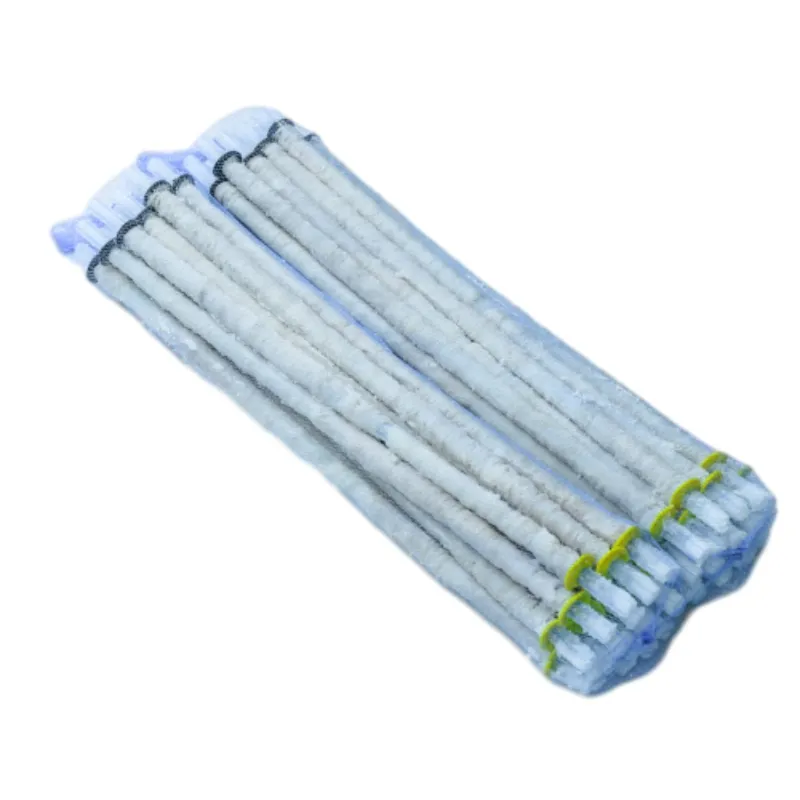
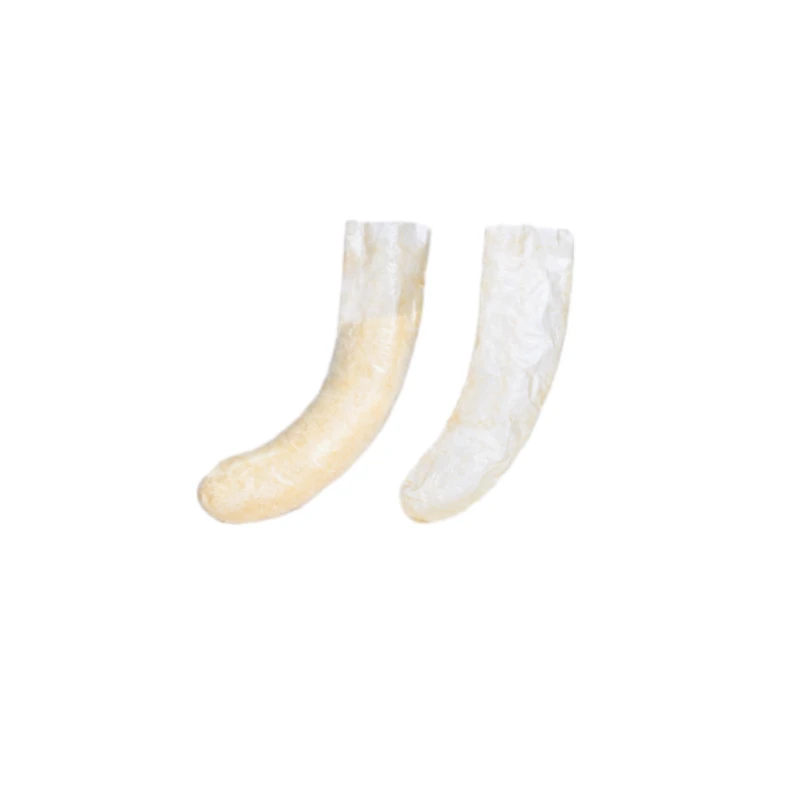
If you’re someone curious about the meats wrapped in those thin, often translucent tubes, then a dried sausage casing factory might just ring a bell—or it should. These factories specialize in producing dried sausage casings, which are the skin-like coverings that encase sausages, salamis, and other cured meats. Sounds mundane? Well, not quite. Globally, they are a subtle yet essential part of the food supply chain, supporting both small artisan butchers and massive meat producers. Understanding these factories—and the casings they produce—shines a light on food safety, sustainability, and meat product quality worldwide.
Why does it matter? Dried sausage casings preserve the product, enhance texture and flavor, and help in transportation. Moreover, as consumer demand for traditional, clean-label, and natural foods grow, so does the reliance on these factories that can deliver consistent, safe, and quality casings.
The Global Significance of Dried Sausage Casing Factories
Meat consumption around the world is nothing short of staggering. According to the UN’s Food and Agriculture Organization (FAO), global meat production hit 340 million tonnes in 2022 — and a good chunk of this includes processed meats like sausages. With the rise of urban populations, the demand for packaged and cured meats has soared, largely pushing forward the dried sausage casing market.
Yet, the industry faces challenges: from supply chain disruptions due to the pandemic, ethical sourcing concerns, to evolving food safety standards dictated by international bodies like ISO and the European Food Safety Authority (EFSA). Factories that can innovate while maintaining traditional casing qualities hold the competitive edge—and customers’ trust.
By addressing these hurdles, dried sausage casing factories become keystones in keeping global meat markets efficient, safe, and resilient.
What Is a Dried Sausage Casing Factory?
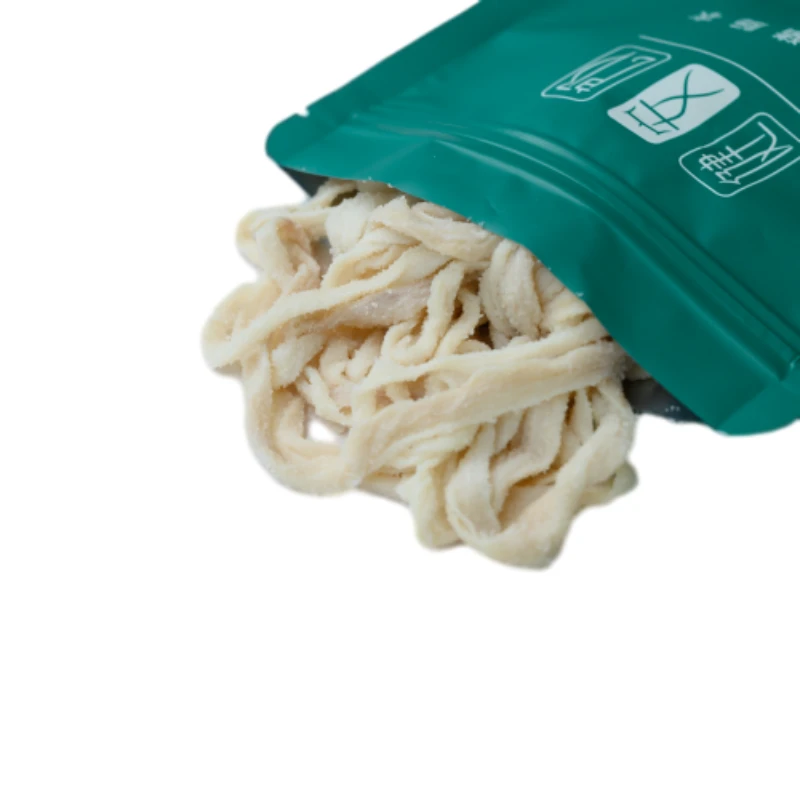
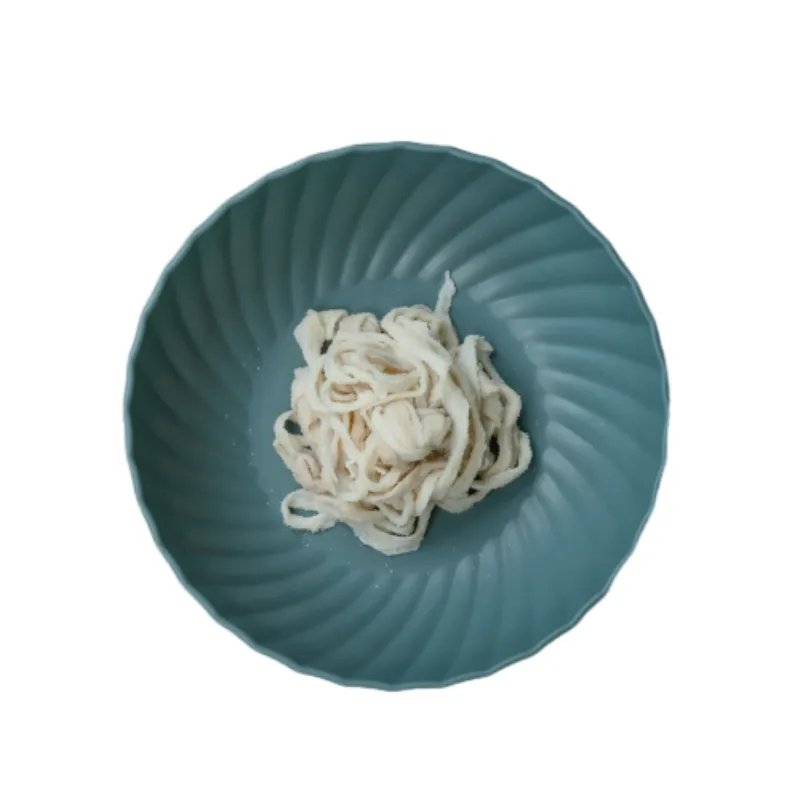
Put simply, it’s where natural casings are transformed — cured, cleaned, and dried — to become the perfect “shell” for sausages. These factories primarily process natural casings made from animal intestines, usually sheep, hog, or cattle. The drying process ensures they remain shelf-stable, easy to handle, and capable of holding filling without breaking or harboring bacteria.
Beyond simply protecting the sausage internally, these casings influence the flavor, texture, and even cooking behavior of the final product. For example, some dried casings allow better smoke penetration for traditional smoked sausages. So, the factory’s role spans from quality control and hygiene to customizing casings for different types of sausages — think thin breakfast links versus thick salamis.
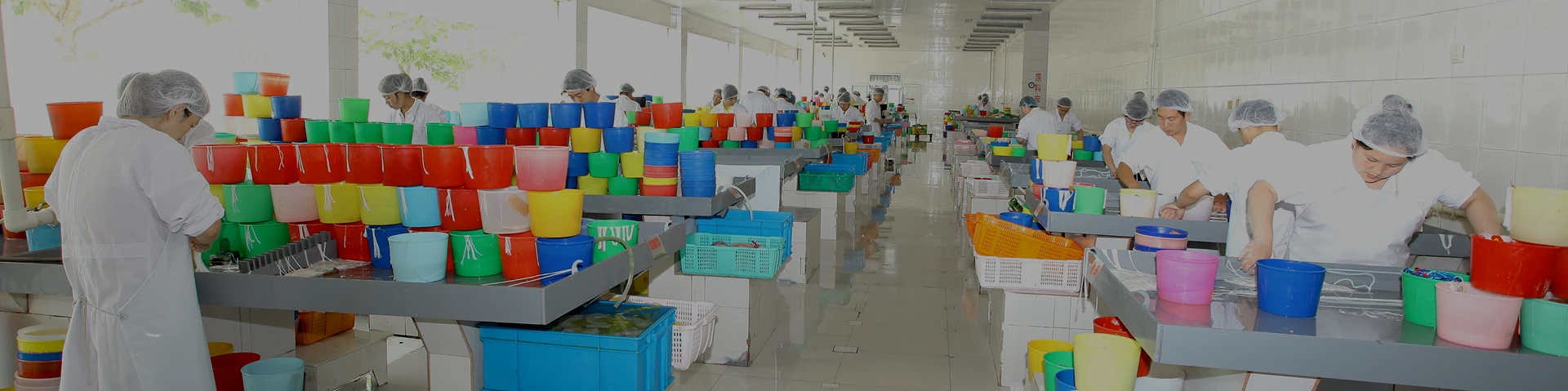
These production lines often incorporate sophisticated cleaning and sterilization processes, as well as trimming and grading stages, to meet strict food safety standards. Plus, modern dried sausage casing factories have adapted to supply not just local but global markets, often shipping casings across continents.
Core Components of Efficient Dried Sausage Casing Factories
Hygiene & Sterilization Processes
Since casings are food-contact materials, factories invest heavily in ensuring cleanliness. Automated washing with enzymatic solutions, followed by drying in dehumidified chambers, reduces microbial risks. Many facilities follow ISO 22000 (Food Safety Management) guidelines. It’s fascinating how this part combines old-school processing with cutting-edge hygiene tech.
Quality Grading & Sorting
Casings come in various diameters, thicknesses, and types. Sorting them precisely enables manufacturers to target different sausage styles and meet customer expectations. Some advanced factories use AI-powered imaging to detect imperfections — not a sight you expect in sausage casing production, but hey, technology is everywhere.
Drying & Preservation Techniques
Rapid and even drying is key to ensure casings stay supple but durable. This can be done via controlled airflow drying at specific temperatures. Too hot, and the casing brittles; too cool, and moisture remains — inviting spoilage. Getting this right is an art but increasingly backed by data-driven control systems.
Sustainability & Waste Management
Interestingly, natural casing production still leans on animal products, so many factories optimize waste by recycling byproducts or creating animal feed supplements. This closed-loop thinking aligns with global sustainability trends demanded by consumers and governments alike.
| Specification | Value/Range | Notes |
|---|---|---|
| Diameter | 16mm - 55mm | Varies by animal type & product |
| Length per bundle | 50 - 100 meters | Standard packaging |
| Moisture content | For shelf stability | |
| Material source | Sheep, hog, or beef intestine | Natural & biodegradable |
| Shelf life | Up to 24 months | When stored properly |
Where Are These Factories Making a Difference?
Dried sausage casing factories have an impressive footprint in Europe—Germany, Italy, and Spain lead the way, owing to their rich culinary traditions. But beyond Europe, Asia's meat industry, particularly in China and South Korea, increasingly depends on quality casings for their emerging artisan sausage markets.
In humanitarian efforts, dried sausage casings find use in packaged rations for military and disaster relief, where shelf-stable protein sources must withstand harsh conditions. Oddly enough, a casing factory’s reach stretches from rustic village markets to global food aid programs.
Moreover, specialty food producers in North America and Australia count on dried casings to appeal to consumers craving authentic, natural products — a nod to heritage and well-being.
Advantages & Long-Term Value: More Than Just a Wrapper
- Cost efficiency: Natural dried casings often outlast synthetic ones in cooking quality, meaning less waste and happier customers.
- Sustainability: Being biodegradable, they reduce plastic packaging use, supporting eco-conscious production.
- Social impact: Many casing suppliers source from local farms, supporting rural economies.
- Safety & Reliability: Standardized drying ensures pathogen control and product uniformity.
- Emotional connection: Authentic casing carries tradition and craftsmanship, often a selling point in artisan brands.
Future Trends & Innovations Gaining Traction
The industry is slowly but steadily embracing digital tools—like blockchain for traceability, ensuring every casing batch is fully traceable to its origin. This not only builds trust but also aligns with stricter food laws.
On the production side, some factories experiment with greener drying technologies using solar or waste heat recovery, boosting energy efficiency. Plus, automation is easing repetitive tasks, allowing workers to focus on quality control.
Environmental pressures also drive research into hybrid casings — combining natural material with biopolymers to enhance durability without losing biodegradability. Though early-stage, these innovations hint at a more sustainable, tech-savvy future.
Common Challenges & Emerging Solutions
One persistent hurdle is seasonality in natural casing supply—intestines come from livestock, which fluctuates with farming cycles. Supply interruptions can ripple down the whole sausage chain.
Expert solutions include diversifying sourcing regions, integrating synthetic alternatives for specific needs, and investing in casing preservation tech to extend stocks. Another challenge lies in hygienic processing demands, which raise costs.
Some players tackle this by improving factory layouts for better flow and more energy-efficient sterilization processes — often driven by customer requirement changes. So, while the factory business might look stable on the surface, there’s a lot of continuous problem-solving behind the scenes.
| Factory | Location | Product Range | Sustainability Practices | Export Regions |
|---|---|---|---|---|
| R&T Casings Co. | Germany | Sheep, hog, beef | Closed-loop water recycling, animal byproduct reuse | Europe, Asia, Americas |
| Sino-Clear Casings | China | Mainly hog & sheep | Solar drying trials, waste heat use | Asia, Middle East |
| Mediterranean Naturals | Italy | Premium sheep & beef | Biopolymer blends, low-energy dryers | Europe, US |
Frequently Asked Questions About Dried Sausage Casing Factory
- What determines the quality of dried sausage casings?
- Quality depends on source animal health, cleaning and sterilization processes, drying uniformity, and packaging methods. A reputable factory is transparent with these steps and follows rigorous food safety standards.
- Can dried natural casings fit all types of sausages?
- Mostly yes, but different casings suit various sausage sizes and textures—thin for breakfast links, thick for dry cured. Some factories offer customized sizing to meet product needs.
- Are there eco-friendly alternatives to traditional dried sausage casings?
- Yes, synthetic and collagen casings exist but may lack the authentic texture. Hybrid options incorporating biopolymers are emerging as more sustainable choices balancing performance and environment.
- How does seasonality affect casing factory supply?
- Since casings come from animal intestines, availability spikes and dips with livestock production cycles. Smart factories diversify sourcing and improve storage technologies to maintain steady supply.
- Is it possible to trace the origin of sausage casings?
- Yes, especially with modern traceability efforts using blockchain or ERP systems. This helps ensure sourcing transparency and food safety compliance, increasingly demanded by buyers.
Wrapping It Up
In the big picture, dried sausage casing factories do more than just produce a humble wrapper; they safeguard tradition, support innovation, and deliver food security across borders. Their blend of age-old methods with new tech makes them fascinating hubs in the meat industry’s ecosystem.
Curious to learn more, or considering a partnership? Visit dried sausage casing factory for detailed insights and offerings tailored to your needs. Because often, what’s on the outside really counts.