Dec . 02, 2025 20:48
Exploring Dried Hog Casings Products: Why They Matter Globally
At first glance, dried hog casings might sound like something limited to the sausage-making world — and strictly culinary, at that. But as with many materials rooted in tradition, they have a surprisingly broad significance well beyond a plate of bratwurst. Dried hog casings products represent a fascinating intersection of agriculture, food processing, industrial applications, and even humanitarian efforts.
Why care? Globally, the demand for natural casings has held steady and even grown, partly because consumers today prefer natural over synthetic. Additionally, dried hog casings are highly durable, biodegradable, and cost-efficient, lending relevance to industries that value sustainability. Learning about these products, their qualities and global uses, brings clarity to how an age-old resource still shapes modern markets and supply chains — especially in food processing.
Introduction: The Global Scene for Dried Hog Casings
Dried hog casings products tap into global food trends, cultural preferences, and industrial scalability. According to FAO statistics, the worldwide sausage market continues to expand annually by roughly 3-4%, strongly pushing demand for high-quality natural casings. Europe, Asia, and parts of the Americas lead consumption, with emerging markets in Africa and Southeast Asia catching up fast.
That said, there’s an ongoing challenge: meeting this demand sustainably, without overreliance on synthetic alternatives or irregular supply chains. Natural casings also tend to absorb less environmentally harmful chemicals in production, making them more eco-friendly. Yet producers face difficulties in preservation, standardization, and logistics — especially when shipping to remote or developing regions.
Defining Dried Hog Casings Products
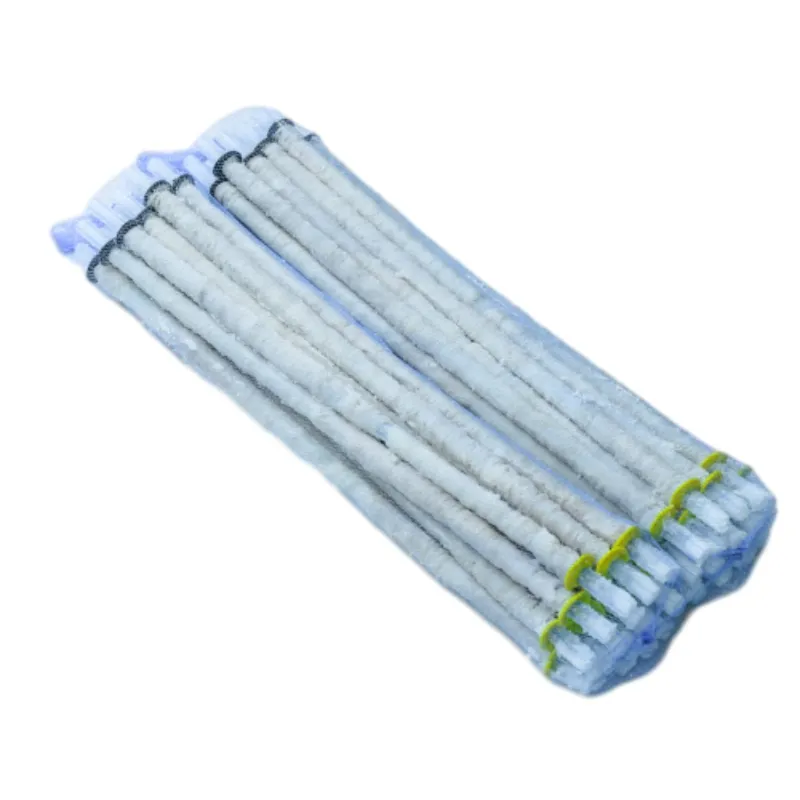
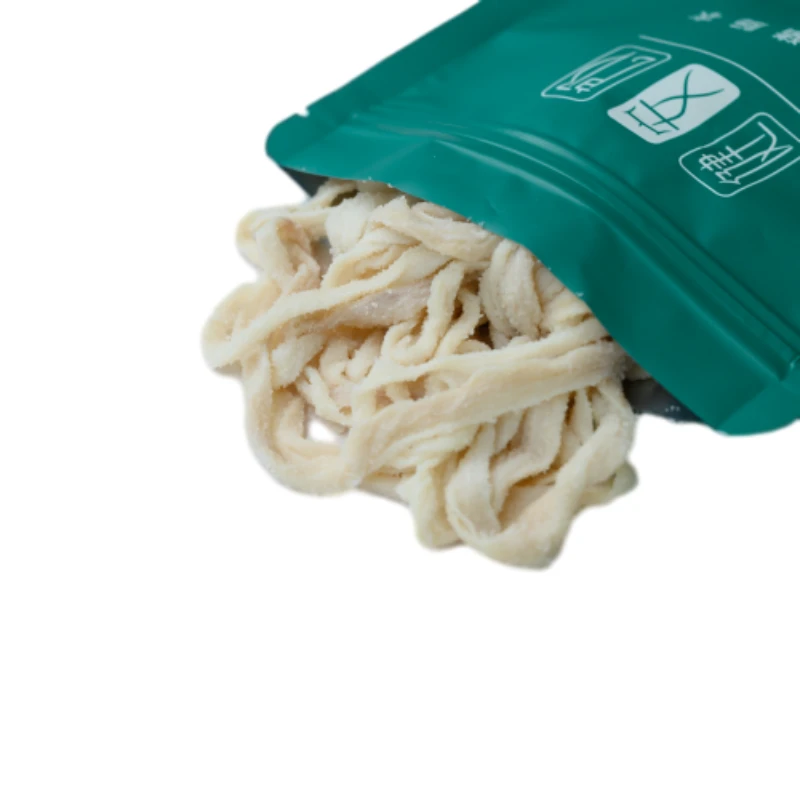
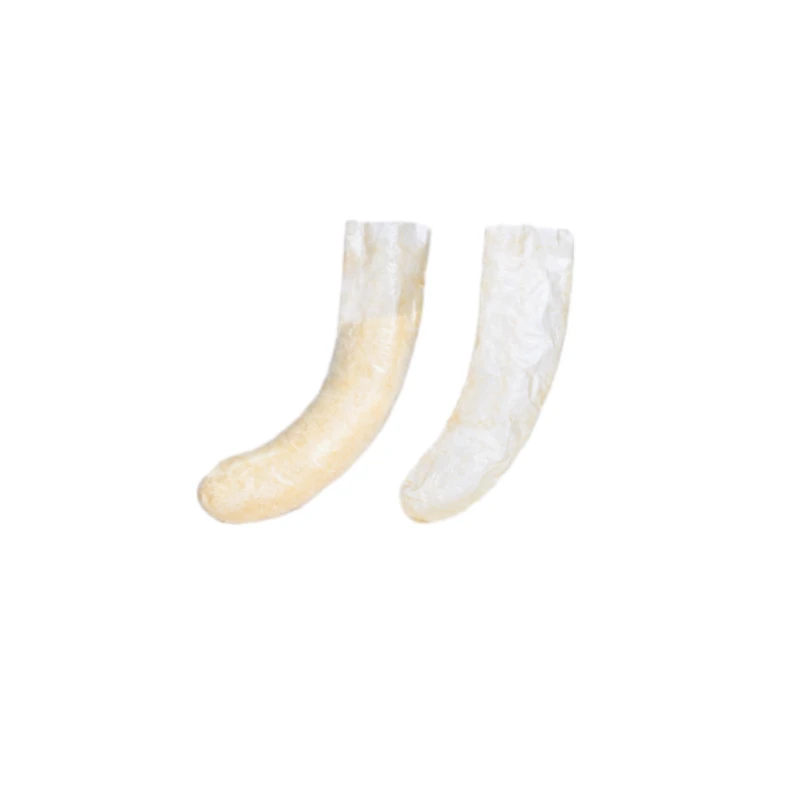
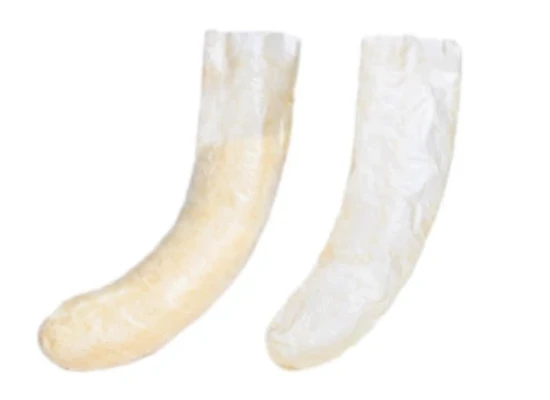
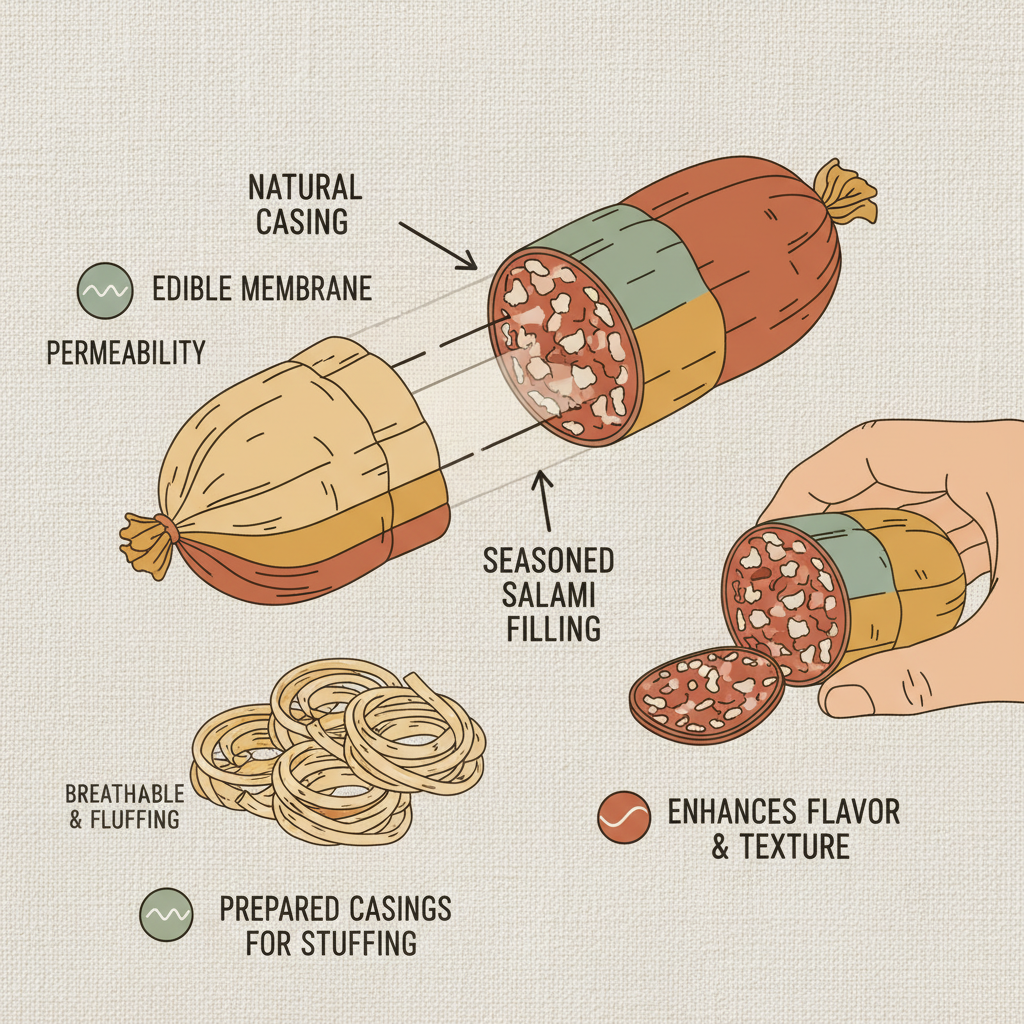
Simply put, dried hog casings are the cleaned, string-like intestines of pigs that have been carefully dried for preservation. Traditionally used as sausage sheaths, they hold meat mixtures securely together, helping form that classic shape and texture sausages are known for.
Beyond culinary applications, these casings find new purpose in industries like packaging, medical devices (biodegradable tubes), and artisan crafts. Their natural composition makes them preferable where synthetic materials fall short on biodegradability or tactile feel.
Core Qualities of Dried Hog Casings
Durability and Strength
When dried properly, hog casings provide remarkable tensile strength, making them reliable in both food stuffing machines and manual processes. Since they’re natural collagen fibers, they resist tearing during grinding and processing, which reduces waste and downtime.
Biodegradability
One overlooked gem is their harmless decomposition. Unlike plastic casings, dried hog casings return to the earth without toxic residues, aligning well with rising eco-conscious standards in manufacturing.
Cost Efficiency
Though they sit above the cheapest synthetic alternatives price-wise, their longevity and minimal processing additives mean less total cost over time. For many small enterprises or specialty brands, this balance is ideal.
Consistency in Size & Quality
Modern drying techniques and quality control have vastly improved standardized sizes, thicknesses, and cleanliness. This uniformity allows manufacturers across borders to produce sausages or other encased foods with predictable outcomes.
Legacy and Culinary Appeal
Finally, and perhaps emotionally significant, is the “naturalness” factor. Across cultures, dried hog casings evoke tradition and craftsmanship, qualities prized by consumers looking to authentic, artisanal food products.
How and Where Dried Hog Casings Are Used Globally
In Europe, especially Germany and Italy, dried hog casings maintain strong culinary traditions. Sausage makers rely on their consistent quality to produce beloved regional specialties. Similarly, in China and Southeast Asia, they’re staples not just in everyday cooking but in commercial meat processing, adapting quickly to industrial machinery.
The Americas present a mixed picture; while synthetic casings dominate mass production due to cost pressures, artisanal and organic producers prefer natural hog casings for authentic flavor and texture. Dried hog casings products also aid humanitarian food programs, where local sourcing of natural casings ensures fresh protein options.
| Specification | Range/Value | Details |
|---|---|---|
| Diameter | 14–32 mm | Suitable for various sausage types |
| Moisture Content | 12% max | Ensures shelf life & durability |
| Length per piece | Up to 12 meters | Allows continuous processing |
| Packaging | Vacuum sealed or salted | Extends storage life |
| Shelf Life | 12–24 months | When stored properly |
Advantages and Long-Term Benefits
Choosing dried hog casings provides tangible benefits for producers and consumers alike. Cost-wise, natural casings reduce waste through higher durability, leading to better yield. They also support sustainability goals — being biodegradable and sourced from renewable livestock resources.
Socially, they maintain culinary heritage, essential for the continuity of traditional recipes, strengthening bonds in communities worldwide. The texture and natural snap offered by hog casings are hard to replicate, reinforcing the “trust factor” in quality foods. And for modern-day brands eager to align with “clean label” trends, these casings are often a natural choice.
On the Horizon: Future Trends in Dried Hog Casings
Oddly enough, innovation is quietly brewing in this traditional niche. Advances in drying technology improve uniformity and hygiene, while AI-powered quality control reduces defects. Environmentally, low-energy drying and better salt recovery reduce environmental footprint. Some suppliers are experimenting with hybrid casings combining natural collagen with thin biofilms for enhanced shelf stability.
Digitally, traceability platforms promise to link hog casings right back to farm origins, meeting rising consumer demand for transparency. Sustainability certifications may become standard, reshaping global trade. It’s a niche ripe for modernization, despite the old-school charm.
Challenges and How to Overcome Them
The main hurdles? Supply consistency and global logistics—since hog casings require special care during processing and transport to avoid microbial spoilage. Moreover, fluctuating livestock availability influences price volatility, challenging producers.
Innovative solutions include better cold-chain logistics, supplier diversification, and cross-border collaborations. Industry experts advocate for investment in processing plants close to primary livestock farms to maintain fresh supplies. Training in hygienic standards is equally essential to meet international certification demands.
| Vendor | Product Range | Quality Certifications | Global Reach | Price Level |
|---|---|---|---|---|
| RTCasing | 14–32 mm dried hog casings & custom sizes | ISO 22000, HACCP | North America, Europe, Asia | Mid-range |
| NaturalCasingsCo | Wide variety including beef, hog | ISO 9001, GMP | Europe, South America | Upper-mid |
| Casing Global Ltd. | Standard hog casings only | None publicly listed | Asia-Pacific | Budget |
FAQ: Practical Questions About Dried Hog Casings Products
- Q: How do dried hog casings compare with synthetic alternatives?
- A: Natural dried hog casings offer superior texture, biodegradability, and traditional appeal. Synthetics can be cheaper and more uniform, but often lack the natural bite or environmental friendliness that hog casings provide. Choice depends on the end product's market and values.
- Q: What’s the best way to store dried hog casings to maximize shelf life?
- A: Store dried hog casings in a cool, dry place, ideally vacuum-sealed or salted as suppliers provide them. Avoid humidity and heat which foster spoilage. Proper packaging enables storage for up to two years without degradation.
- Q: Are dried hog casings products feasible for small-scale artisanal producers?
- A: Absolutely. Their manageable sizes and availability in smaller bundles make them well-suited to craft sausage makers wanting a natural product. Plus, the cost efficiency often outweighs synthetic options when considering quality.
- Q: How do regulations impact the trade of dried hog casings internationally?
- A: Different countries have hygiene and import standards for animal byproducts. Certifications like HACCP and ISO 22000 help streamline customs clearance and assure buyers. Working with certified suppliers is key for smooth international transactions.
- Q: Can dried hog casings be customized by diameter or length?
- A: Many suppliers offer customization to fit specific industrial or artisanal needs. It's common to request exact sizes or packaging configurations, so check with vendors like dried hog casings products specialists for tailored solutions.
Conclusion: Why Dried Hog Casings Products Remain a Timeless Resource
Dried hog casings products may seem niche, but their impact is broad and ongoing. They connect centuries-old culinary traditions with modern expectations for sustainability, quality, and trust. For businesses, artisans, and even humanitarian actors seeking natural, reliable, and eco-friendly solutions, these casings strike a remarkable balance.
If you’re curious about sourcing or exploring custom dried hog casings, consider visiting our website. The future looks promising for an old favorite that never quite went out of style.