Dec . 02, 2025 20:20
Understanding the Role of a Dried Hog Casing Manufacturer: Why It Matters Globally
When you think of sausage casings, the first thing that probably comes to mind is food. But the dried hog casing manufacturer plays a role far beyond just the kitchen. This seemingly niche industry has ripples that extend into global trade, food safety standards, and even cultural heritage. In fact, dried hog casings are crucial for artisanal butchers, dynamic food industries, and humanitarian aid alike.
Why focus on them? Because understanding this specialized manufacturing niche sheds light on practical solutions to consumption patterns, sustainable sourcing, and economic development in producing regions. Plus, mastery here translates to better product quality and food integrity worldwide.
Global Context: How the Dried Hog Casing Industry Ties Into Worldwide Markets
Worldwide, the market for natural sausage casings, led by hog casings, has held steady with an estimated market size north of $300 million USD as of recent reports (about 2022–23). On the production side, countries like China, Denmark, and the United States dominate supply, exporting to dozens of countries that rely heavily on natural casings over synthetic alternatives.
According to the Food and Agriculture Organization (FAO), pork remains the most consumed meat globally, making hog casings fundamental to the production chain of sausages — an essential culinary staple in many cultures.
Despite this, manufacturers face considerable challenges: strong regulatory pressures on hygiene and processing, volatile raw material availability due to hog population shifts, and increasing environmental concerns. The dried hog casing manufacturer must navigate these complexities while ensuring top-quality products that meet diverse international standards.
Mini takeaway: The dried hog casing industry is more than just a supplier — it’s a critical link in a global chain of food culture, trade, and regulation.
What Exactly Is a Dried Hog Casing Manufacturer?
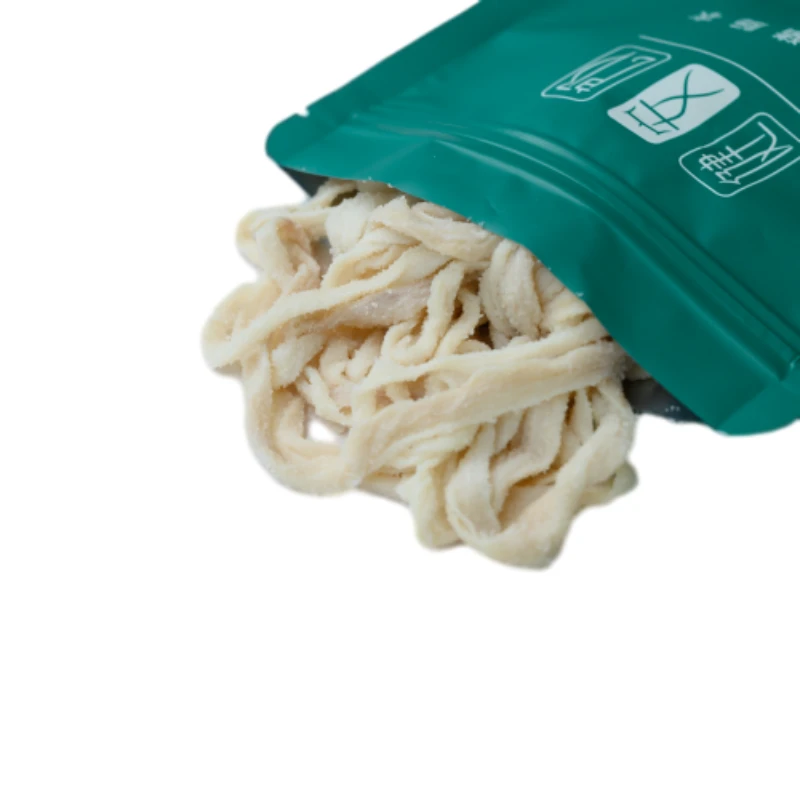
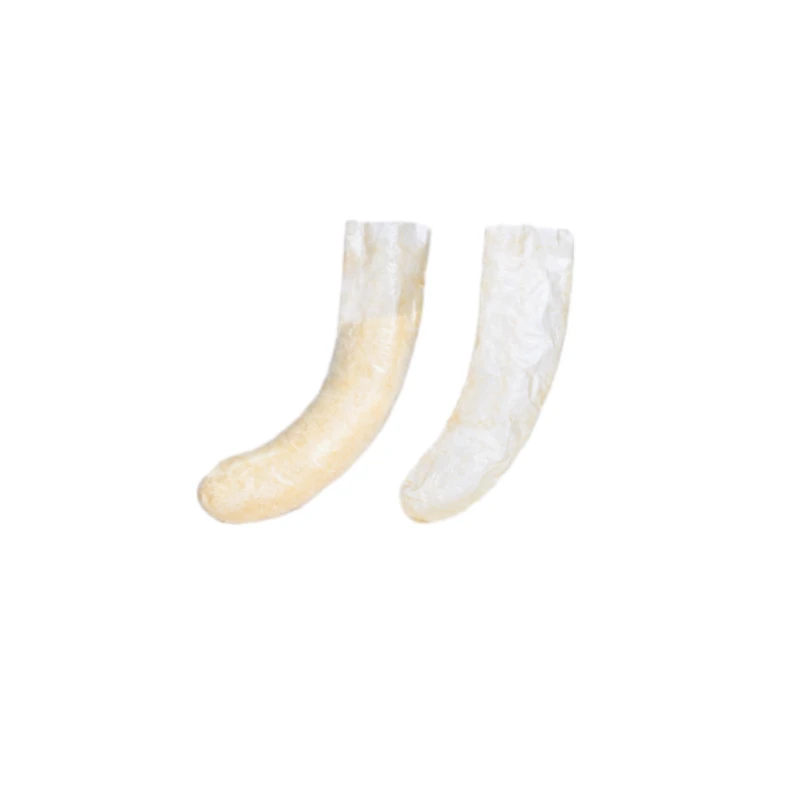
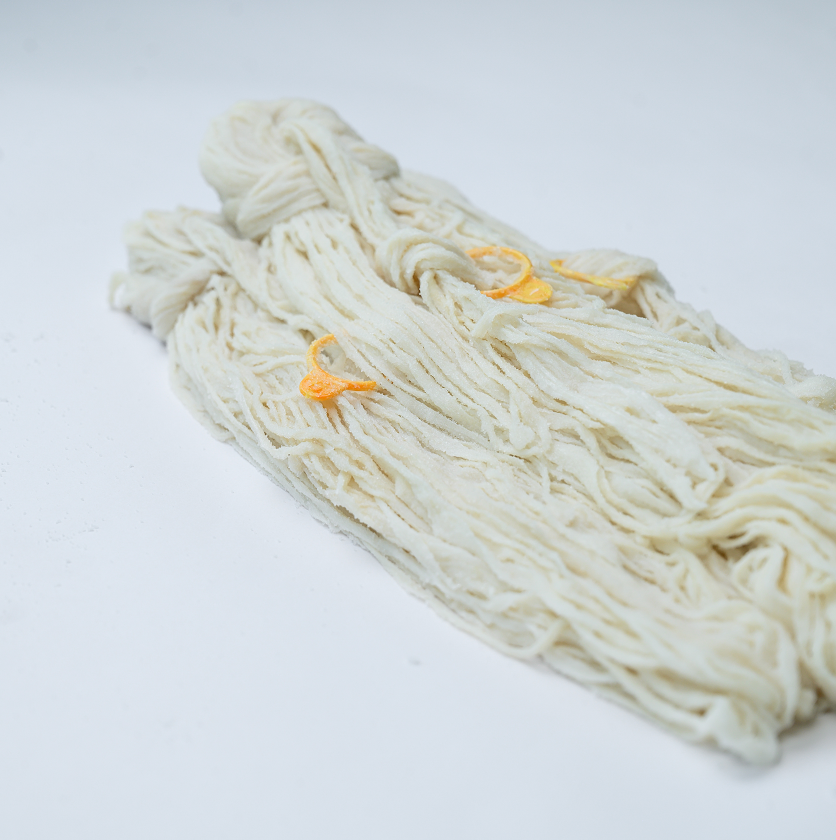
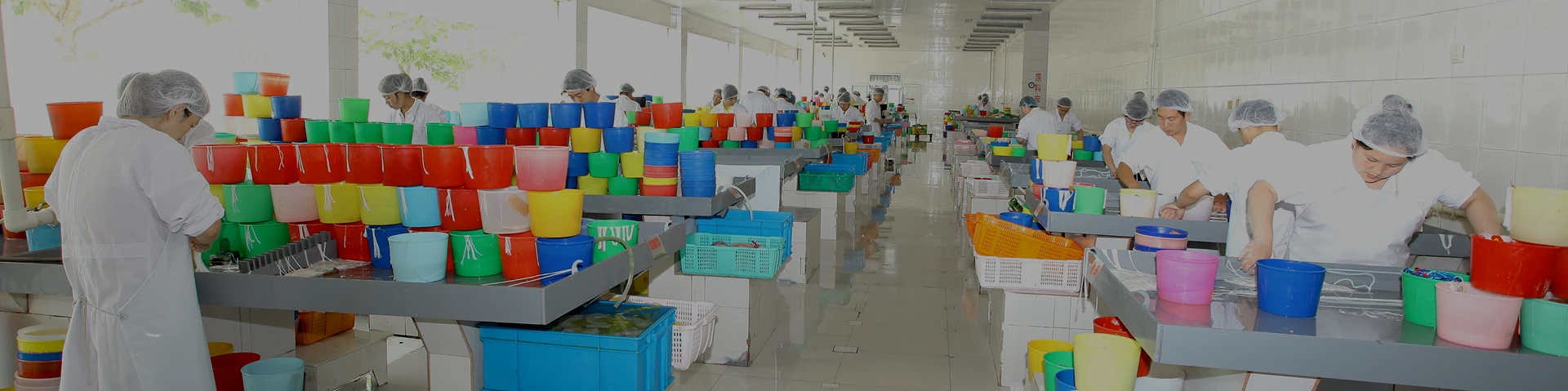
Put simply, a dried hog casing manufacturer is a company that processes hog intestines into clean, preserved, and dried natural casings used primarily for sausage production. The process involves rigorous cleaning, salting, drying, and packaging to ensure the casing maintains strength and is safe for food use.
It’s an artisanal-meets-industrial endeavor. There’s traditional know-how passed down, but it also involves modern hygienic technologies and quality control that align with food safety laws like ISO 22000.
Outside modern meat processing industries, these casings also serve educational and cultural needs by preserving culinary heritage linked to sausages and smoked meats — a reminder that manufacturing here isn’t just technical, it’s cultural.
Key Aspects in Dried Hog Casing Manufacturing
1. Durability & Quality Control
The casings need to withstand stuffing pressures without breaking — no small feat. Quality is determined by consistent thickness and flexibility. Many manufacturers employ meticulous manual inspections alongside moisture and pH testing to ensure durability.
2. Hygienic Processing
Given that the casings come from animal intestines, rigorous cleaning and disinfection stages are essential to eliminate pathogens while preserving the collagen structure that makes casings pliable.
3. Sustainability in Raw Material Sourcing
Many manufacturers now emphasize sourcing from farms practicing ethical pig husbandry and environmental stewardship. This aligns well with increasing consumer demand for traceability and sustainability.
4. Packaging and Storage
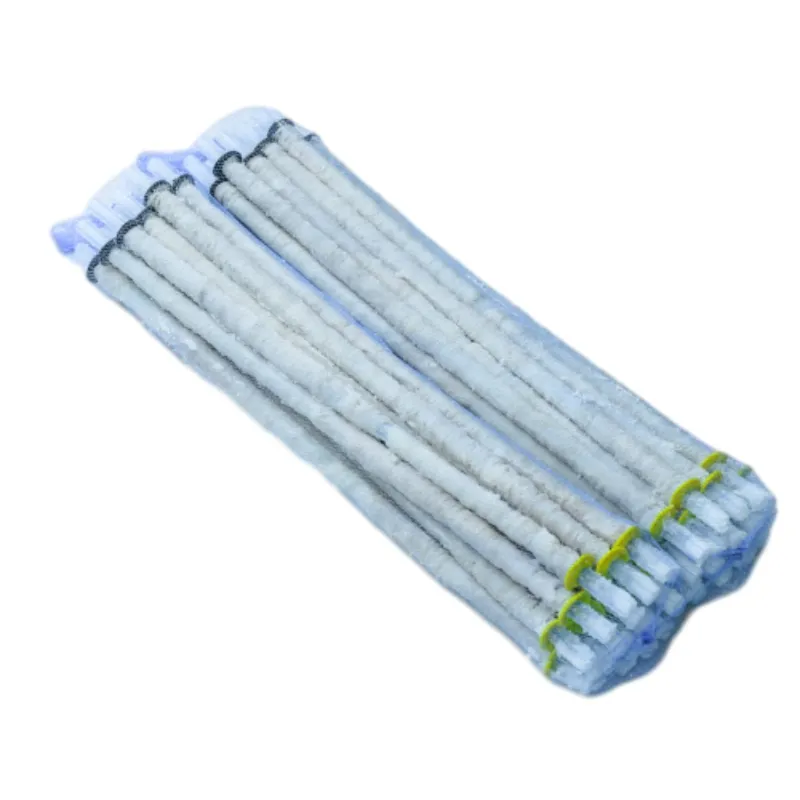
Since casings are perishable without proper treatment, using salt preservation and drying methods—often combined with vacuum packaging—ensures longer shelf life and ease of global transport.
5. Scalability & Customization
Different sausage types require different casing sizes and treatments. A reliable manufacturer offers a spectrum of options, from small calibers for snack sticks to larger sizes for traditional sausages.
Mini takeaway: It’s a precise balance between craft and science — and a good manufacturer masters both to meet diverse market needs.
Where Are These Casings Used? Global Applications and Case Studies
Natural casings — primarily dried hog casings — are a staple ingredient in numerous markets:
- Europe: A vast tradition of cured meats and sausages keeps demand high in Germany, Spain, and Italy.
- Asia: In China and Southeast Asia, growing middle-class consumers have connected with both traditional and western-style sausages, boosting imports.
- North America: Craft and artisanal producers increasingly favor natural casings over synthetic due to flavor and texture benefits.
- Humanitarian aid: Oddly enough, dried hog casings sometimes serve in emergency food kits or sustainable food programs, where locally sourced natural ingredients add value.
For example, a renowned European sausage producer recently partnered with a dried hog casing manufacturer to develop casings optimized for gluten-free sausages — proof that product innovation is ongoing.
Advantages & Long-Term Impact of Choosing a Skilled Dried Hog Casing Manufacturer
When you select a seasoned manufacturer, here’s what you get:
- Better product consistency: Sausages hold their shape, cook evenly, and taste authentic.
- Sustainability: Use of natural, biodegradable materials reduces plastic waste from synthetic casings.
- Economic development: Many manufacturers are located in rural or developing areas, supporting local economies.
- Food security and safety: Compliant, clean casings reduce risks of contamination — a minor but vital detail.
The emotional satisfaction in artisan sausage-making — the nostalgia, the pride — often ties closely to using real casings, so it’s also about preserving sensory experience and tradition.
Emerging Trends: Sustainability, Automation, and Smart Quality Control
Looking forward, the industry is not standing still.
- Green processing: Manufacturers are adopting energy-efficient drying technologies and reduced water usage.
- Automation: Some producers implement robotics for sorting and packaging, elevating throughput and hygiene.
- Traceability: Blockchain and digital tagging are emerging to provide consumers with full origin transparency.
- Alternative products: Companies explore “eco-casings” made by blending natural materials with plant-based additives as hybrid solutions.
Challenges and How Manufacturers Overcome Them
The industry isn’t without hurdles:
- Raw material shortages: Disease outbreaks in hog populations can disrupt supply chains.
- Stringent regulations: Compliance with food safety and import/export standards requires constant vigilance.
- Competition from synthetics: Some mass producers opt for synthetic casings for cost reasons despite natural casings’ culinary superiority.
Innovative manufacturers respond with tighter farm partnerships, investment in quality certification, and educating customers about the tangible value natural casings bring.
Product Specification
| Specification | Typical Value | Notes |
|---|---|---|
| Type | Natural Hog Intestine | Processed & dried |
| Diameter Range | 16 mm - 30 mm | Varies by product SKU |
| Moisture Content | 12-18% | Optimal for shelf stability |
| Salt Content | Approx. 20-25% (by weight) | Preservation and anti-microbial |
| Shelf Life | Up to 18 months | When stored cool and dry |
Vendor Comparison: Leading Dried Hog Casing Manufacturers
| Manufacturer | Production Capacity (tons/year) | Sustainability Focus | Export Markets | Certifications |
|---|---|---|---|---|
| RTCasing Co., Ltd | 1200 | Ethical sourcing & low water use | Asia, Europe, North America | ISO 22000, HACCP |
| EuroCasing Ltd. | 900 | Renewable energy use | Europe, Middle East | BRC, ISO 9001 |
| GlobalNatural Casings | 1500 | Local farmer partnerships | Global | ISO 22000, FDA approved |
FAQ: Your Practical Questions About Dried Hog Casing Manufacturers
Q1: How does a dried hog casing manufacturer ensure food safety?
A reliable dried hog casing manufacturer follows rigorous cleaning, disinfection, and drying protocols compliant with international food safety standards like ISO 22000 and HACCP. They carefully monitor microbial levels and use salting and controlled drying to inhibit bacterial growth, ensuring the casings are safe for edible use.
Q2: Can dried hog casings be customized for different sausage types?
Yes, most manufacturers offer a range of casing diameters and thicknesses to suit various sausage styles — from thin snack sticks to thick smoked links. Customization may also include special salting treatments or packaging to fit a client’s specific requirements.
Q3: What is the shelf life of dried hog casings and how should they be stored?
Properly dried and salted casings generally have a shelf life of up to 18 months when kept in a cool, dry environment. Some come vacuum sealed to extend freshness and protection during transport.
Q4: How do manufacturers address environmental concerns in hog casing production?
Leading producers partner closely with ethically certified farms, invest in water-efficient washing systems, use eco-friendly packaging, and optimize drying to reduce energy consumption — balancing tradition with modern sustainability demands.
Conclusion: Why Partnering With the Right Dried Hog Casing Manufacturer Counts
Ultimately, whether you’re an artisanal butcher or a large-scale meat processor, the quality and reliability of your sausage casings depend on a skilled, forward-thinking dried hog casing manufacturer. This industry may fly under the radar, but its impact reverberates through food safety, tradition, and global markets.
If you want to explore trusted manufacturers combining tradition, quality, and innovation, visit our website for more details and partnerships.
In the end, it’s all about connecting genuine craftsmanship with modern standards, so every sausage tells a story worth savoring.