Dec . 02, 2025 20:30
What Are Dried Hog Casing Products and Why They Matter Globally
If you’ve ever enjoyed a traditional sausage, odds are dried hog casing played a silent but crucial role. These natural casings — essentially cleaned, dried intestines from hogs — have been around for centuries, yet their importance goes far beyond the dinner plate. With growing demand for natural, sustainable products across the globe, the dried hog casing market is quietly surging. Understanding dried hog casing products isn’t just for culinary nerds; it’s increasingly a global industrial topic. Why? Because these casings are core to the meat processing industry, impacting food safety, supply chain logistics, and even humanitarian efforts where shelf-stable, natural packaging solutions are prized. They blend tradition with scalability, offering unique benefits that synthetic alternatives can’t quite match. ---Global Context: Why Dried Hog Casing Products Still Hold Strong
Globally, meat consumption is expected to rise steadily — the World Bank estimates an increase of 15% over the next decade in developing regions alone. As the industry expands, so does the need for reliable, natural sausage casings that can cope with demand without sacrificing quality or food safety. The dried hog casing market is closely tied to these trends. Additionally, under ISO standards for meat packing and hygiene, natural casings like dried hog products are recommended in several traditional markets due to their biodegradability and minimal processing requirements. That’s part of why certain regions, especially in Asia and Europe, continue to prefer these over synthetic casings. One challenge here is logistics: natural casings are perishable, even when dried, and require careful handling. Suppliers worldwide are innovating in packaging and storage to overcome this. For instance, dried hog casing products are increasingly shipped under controlled humidity, ensuring freshness upon arrival, even when crossing continents. ---What Exactly Are Dried Hog Casing Products?
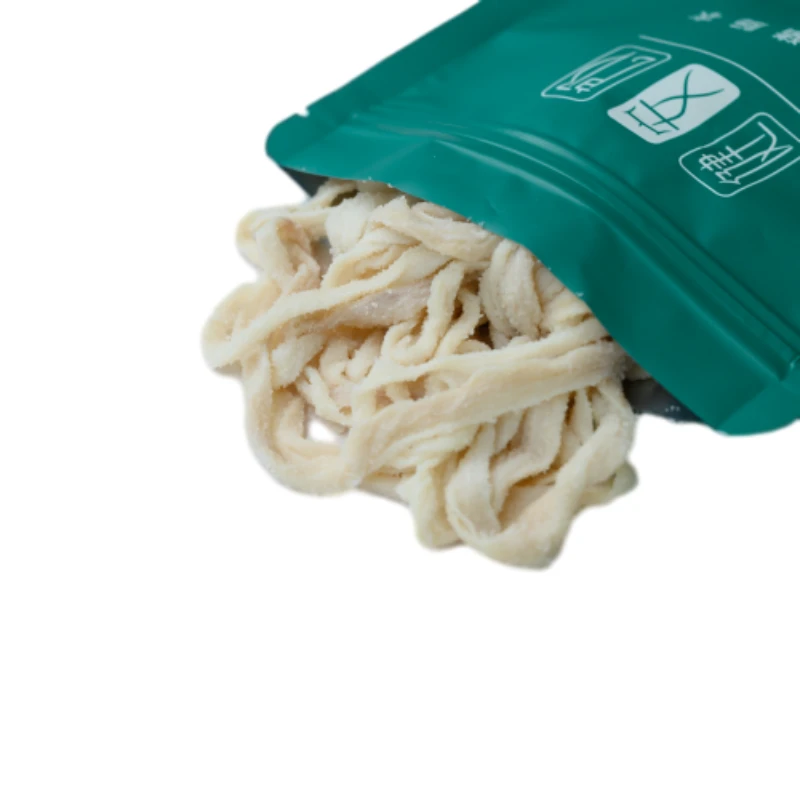
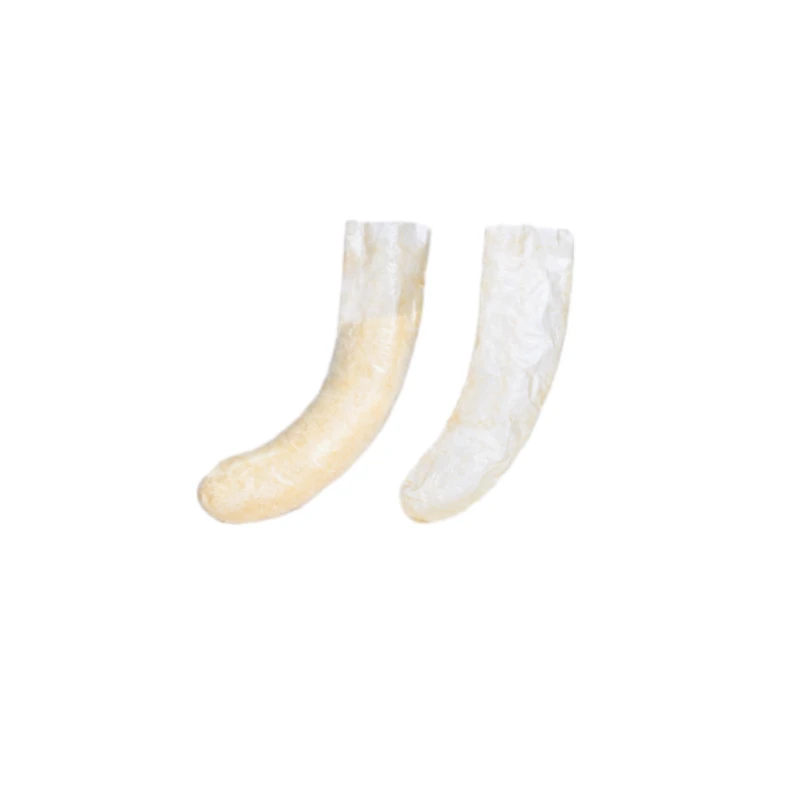
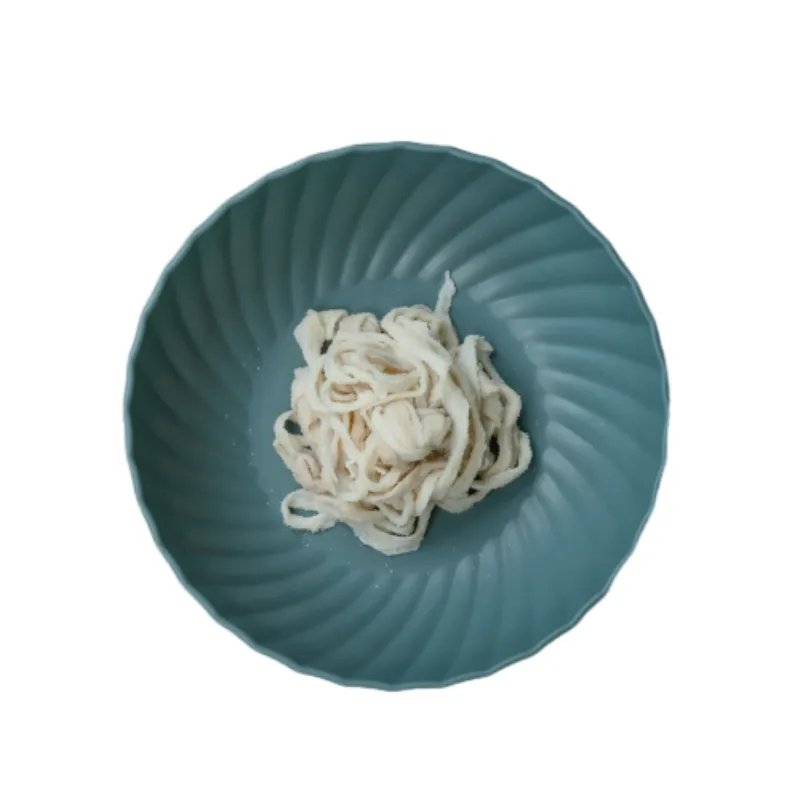
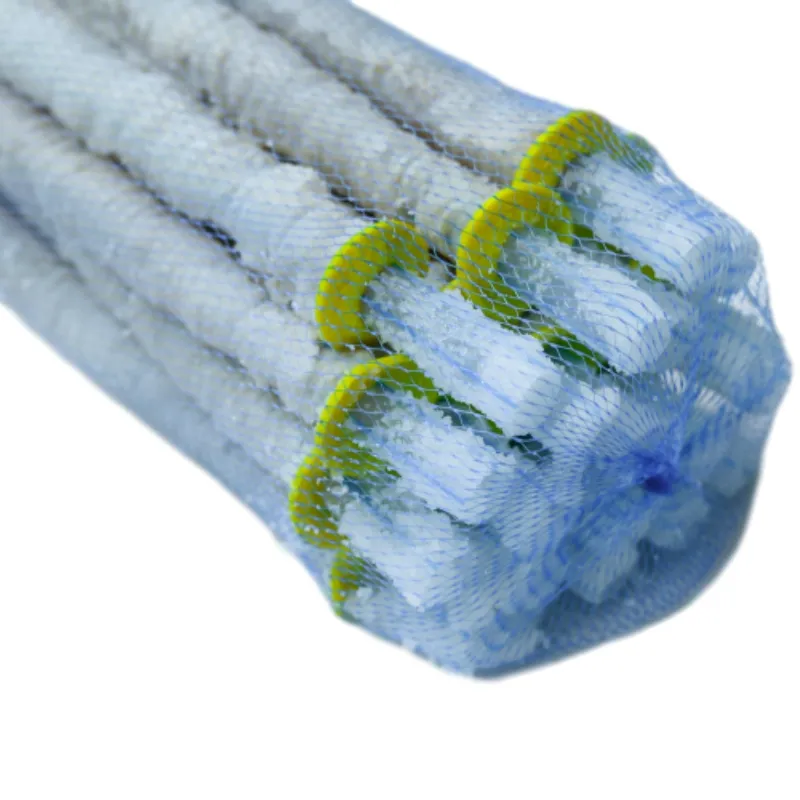
Put simply, dried hog casing products are the cleaned, salted, and dried small intestines of pigs prepared for use primarily in sausage production. After proper cleaning and removal of the mucosa, these casings are dried to shelf-stable forms but remain pliable once rehydrated. Beyond culinary use, these casings are often employed by food artisans and in industrial settings. Their natural texture and elasticity make them ideal for traditional sausage recipes that synthetic casings can’t emulate perfectly. In some humanitarian contexts, dried hog casing products have been adapted as packaging materials due to their natural barrier properties, providing biodegradable alternatives where plastic use is problematic. ---Core Features That Define Their Value
1. Durability and Elasticity
The strength of dried hog casings lets sausage producers stuff meat without bursting. Their natural elasticity means sausages keep shape and size through cooking and transport, which synthetic casings sometimes struggle with.2. Food Safety and Natural Preservation
Naturally occurring enzymes and membrane structures in these casings support product preservation and flavor retention, meaning fewer chemical additives are needed. This aligns well with consumer demand for clean-label foods.3. Scalability and Versatility
While traditional in origin, dried hog casing products can be scaled from small artisanal batches to industrial mass production — a flexible middle ground between handmade and mass-produced sausages.4. Cost Efficiency
Though pricier than some artificial casings, the reduced need for processing chemicals and lower waste rate (due to elasticity) often balance out expenses in medium to large scale operations.5. Sustainability
Being entirely natural and biodegradable, these casings have a much smaller environmental footprint compared to plastic or collagen alternatives—making them attractive in eco-conscious markets. ---Product Specification Table
| Specification | Typical Range | Notes |
|---|---|---|
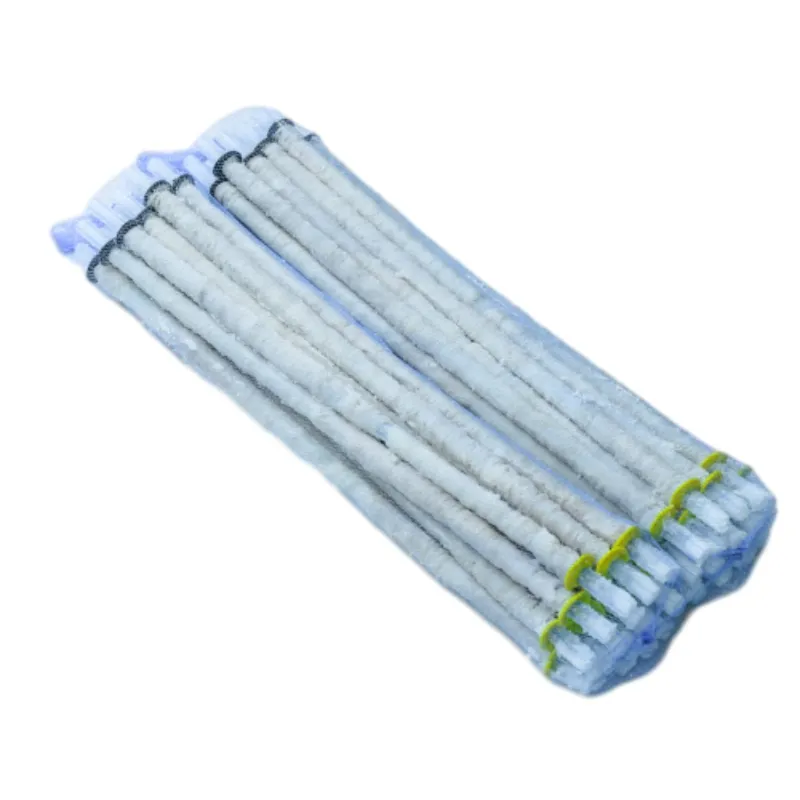
| Length | 35 - 45 meters per bundle | Varies by supplier & size grading |
| Diameter | 18 - 28 mm internally | Suitable for medium sausages |
| Moisture Content | 15 - 25% | Ensures shelf stability without brittleness |
| Salt Content | 0.5 - 1.2% | For preservation & texture |
| Shelf Life | Up to 2 years ( | Dependent on storage conditions |
How Dried Hog Casing Products Are Used Worldwide
Oddly enough, the impact of these casings spans continents and cultures. Europe — particularly Germany, Italy, and Spain — leads in artisanal sausage traditions that rely heavily on dried hog casings. In Asia, where pork dominates many diets, countries like China and South Korea utilize these products for both mass-produced and local delicacies. Beyond food, their natural biodegradability means they pop up in experimental packaging and cosmetic applications in Europe and North America. Imagine casings reimagined as eco-friendly tubes for small product manufacturing. In relief zones after floods or earthquakes, dried hog casing products sometimes serve niche roles where locally sourced natural casings provide biodegradable options for storing or transporting perishable goods — a quirky but useful side story. ---Vendor Comparison: Top Providers in the Market
| Vendor | Product Range | Quality Certifications | Shipping & Logistics | Price Range |
|---|---|---|---|---|
| RTC Casing | 18–30 mm casings, custom orders | ISO 22000, HACCP | Global air & sea freight, FIFO packaging | Mid-High |
| Global Sausage Supplies | Standard sizes 20–28 mm only | FDA approved, GMP | Regional warehouses in EU & US | Low-Mid |
| NaturalCasingsCo | Premium artisanal bundles | Organic certified, Halal | Direct export, custom packaging | High |
Long-Term Advantages of Using Dried Hog Casing Products
Why keep leaning on this seemingly old-school product? For one, it feels authentic. Sausages wrapped in natural casings have that unmistakable snap and texture people crave. But beyond the foodie appeal, think sustainability — natural casings biodegrade naturally, reducing plastic waste. That feels like a win in today's push for greener packaging. From a business standpoint, cost savings from reduced chemical preservatives, fewer casing breaks, and better meat flavor translate to lasting brand trust and customer loyalty. I’ve noticed many meat processors talk candidly about how it’s easier to educate consumers when you pitch “natural” and “minimally processed” without gimmicks. In real terms, dried hog casing products knit together economic, social, and environmental benefits — a trio businesses want more than ever. ---Emerging Trends and Future Innovations
The natural casing sector isn’t static. There’s a slow but steady wave of tech improving drying methods, packaging, and storage — think vacuum sealing with humidity sensors or smart temperature-controlled logistics. Sustainability pushes mean companies are exploring “clean-label” certified casings and biodegradable packaging combos. Plus, digital platforms now streamline traceability from farm to final product, ensuring quality compliance in real-time. Automation in the slicing and stuffing process is also getting friendlier with natural casings, thanks to improved sizing standards and casing conditioning tech that reduces breakage. Lastly, integrations into alternative protein products (plant-based meats) are in experimental phases, but promise exciting synergies. ---Challenges and Practical Solutions
Still, it’s not all smooth sailing. Natural variability means supply quality can fluctuate, impacting processing lines. Storage requires precise humidity and temperature controls — any lapse risks brittleness or microbial contamination. The solution? Partnering with vendors who invest in advanced sorting and quality control, plus embracing better warehouse technology. Some companies use modified atmosphere packaging (MAP) to extend shelf life. Training workers on proper rehydration and handling is often overlooked but critical — many production issues can be solved just by staff education. ---FAQ: Your Questions About Dried Hog Casing Products
Q1: How do dried hog casings compare to synthetic casings in taste?Dried hog casings provide a more natural “snap” and subtle flavor contribution that synthetic casings can’t mimic. The texture is usually preferred for traditional sausages, enhancing the eating experience.
Q2: What storage conditions best preserve dried hog casing products?
Ideal storage is a cool, dry environment with consistent temperatures below 15°C and relative humidity around 65%. Avoid exposure to strong odors as they can absorb them.
Q3: Are dried hog casing products suitable for large-scale industrial production?
Yes, many suppliers offer large bundles and precise sizing for industrial use. Automation compatibility has improved, but training and consistent quality remain key.
Q4: How can I ensure compliance when importing dried hog casing products?
Work with certified suppliers that provide documentation like HACCP or ISO 22000. Also, consult your country’s import regulations regarding animal by-products.
Q5: Can dried hog casing products support sustainable packaging goals?
Absolutely. Being biodegradable and minimally processed, they align well with environmental initiatives aiming to reduce plastic waste, especially in food packaging. ---
Wrapping Up: Why Dried Hog Casing Products Still Deserve Your Attention
In the grand scheme, dried hog casing products aren’t just a nod to culinary tradition but a smart choice for sustainability, quality, and reliability. They serve a growing global market hungry for natural solutions, and with modern logistics and tech tweaks, their future looks bright. If you’re in food processing or related fields, familiarizing yourself with these natural casings is more than worth it. Want to explore reliable suppliers or get tailored advice on dried hog casing products? Visit our website for detailed info and assistance. ---Mini Takeaways
- Dried hog casings blend tradition with modern sustainability demands.
- Global demand is rising, driven by consumer preferences and industry growth.
- Proper storage and handling are essential to maintain quality.
- Technological innovations continue to improve shelf life and scalability.
- Natural casings offer unbeatable texture and environmental benefits.