Dec . 02, 2025 19:58
What Are High Quality Salted Sausage Casings and Why Do They Matter?
If you’ve ever savored a perfectly seasoned sausage, chances are good that the casing wrapped around it played a critical role in taste, texture, and longevity. High quality salted sausage casings might sound niche, maybe even old-fashioned, but they are essential to sausage-making traditions worldwide and are critical for food safety, preservation, and flavor development. Globally, the demand for consistent, durable casings keeps growing as meat processors look to meet consumers’ evolving expectations on taste, quality, and sustainability. Understanding these casings can help producers improve product quality and meet regulatory standards while supporting cultural and economic needs in both developed and emerging markets.
In short: knowing about high quality salted sausage casings isn’t just for butchers and food scientists—it’s a small but vital part of a larger global food ecosystem.
The Global Importance of Sausage Casings
When you zoom out, the market for sausage casings mirrors broader food industry trends. According to the UN Food and Agriculture Organization, meat product consumption is steadily rising across Asia, Europe, and the Americas, which directly increases demand for reliable casing materials. In fact, the global sausage casing market is projected to grow appreciably over the next decade (FAO, 2022). For producers and processors, a poor casing can lead to product spoilage, waste, and costly recalls. That’s no small problem in a world where food security and reducing waste are front and center.
From a technical side, meat processors wrestle with challenges like moisture retention, resistance to microbial contamination, and consistent sizing — challenges that high quality salted sausage casings help solve. These casings, often made from natural intestines but properly treated and salted, last longer and deliver consistent product results.
So, What Exactly Are High Quality Salted Sausage Casings?
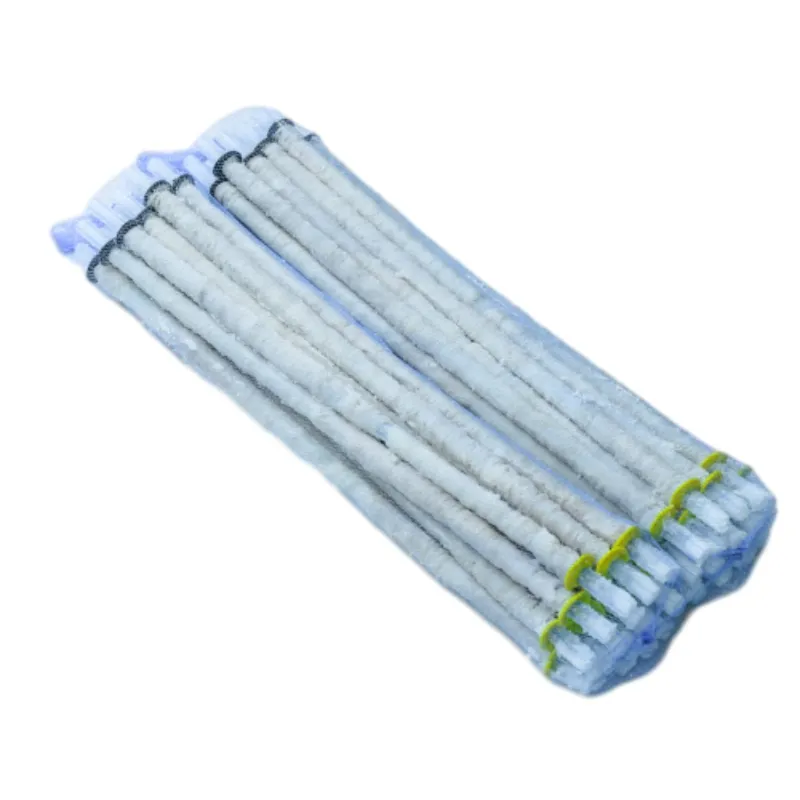
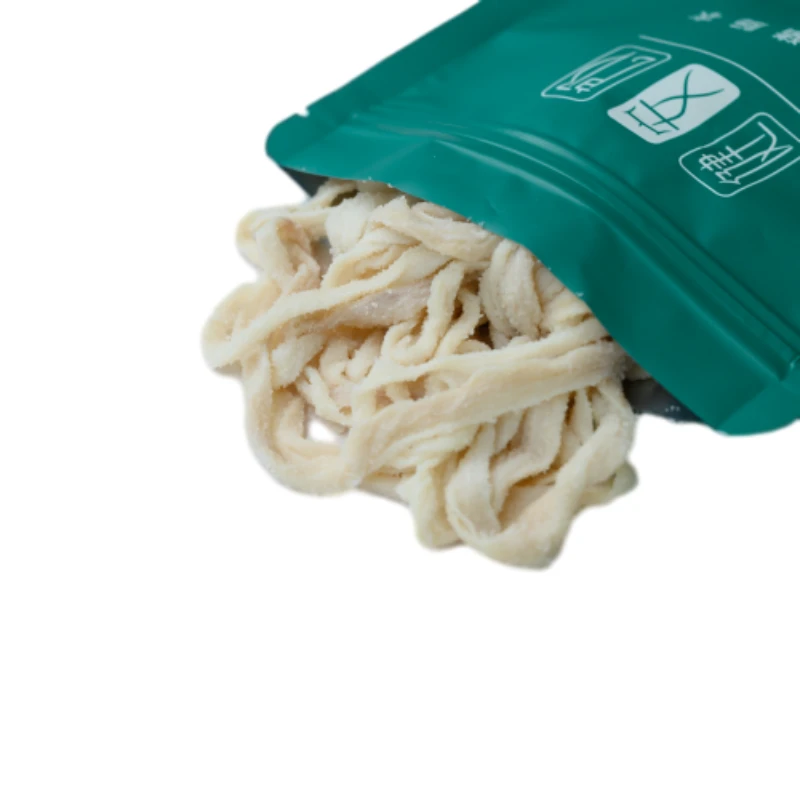
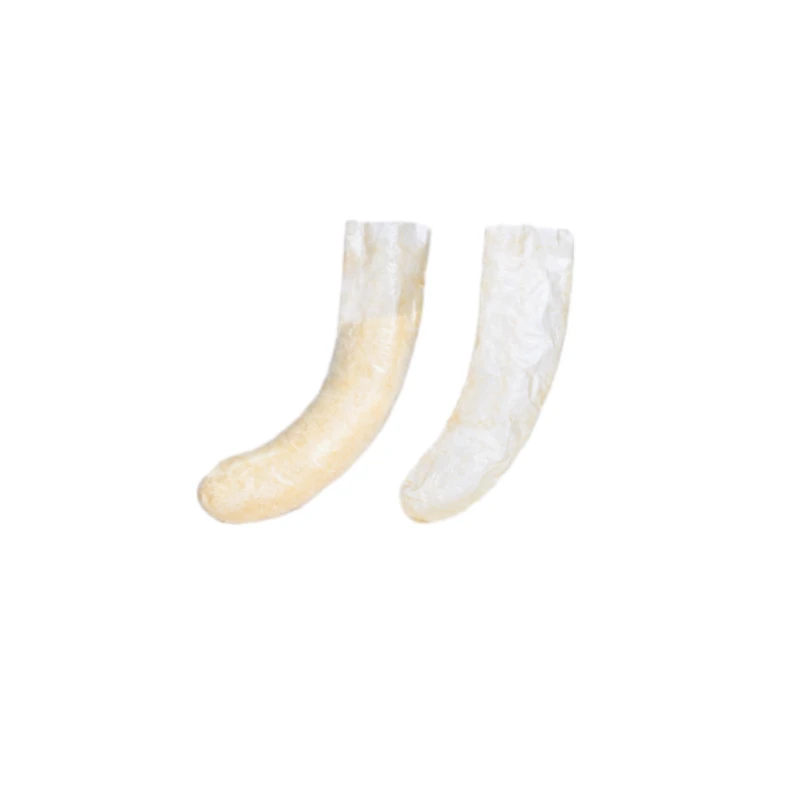
Simply put, salted sausage casings are natural casings—mostly animal intestines—preserved with salt to keep them stable, pliable, and ready for use in sausage production. The “high quality” bit refers to casings that have been carefully cleaned, graded, salted, and stored under optimal conditions to ensure they don’t crack, shrink, or add undesirable flavors during processing and storage.
This preservation process isn’t new. It dates back centuries but now follows rigorous industry standards to meet modern hygiene and performance needs. High quality salted casings connect age-old culinary traditions with the demands of large-scale industrial production and humanitarian food programs alike.
Key Components Behind Great Casings
- Durability: The casing must withstand the stuffing process without tearing or bursting, even with high-speed machinery.
- Flexibility: It needs to be pliable enough to form smooth sausage links without kinks or breakage.
- Preservation: Salt acts as a natural barrier, preventing bacterial growth while maintaining moisture balance.
- Consistency: Uniform diameter and thickness ensure predictable cooking and portion control.
- Cleanliness: Rigorous cleaning reduces risk of contamination and off-flavors.
- Compatibility: Must work well with various sausage recipes, from smoked bratwurst to fresh Italian links.
In practical terms, these factors are crucial for producers looking to reduce waste and improve product appeal.
Where Do High Quality Salted Sausage Casings Fit in the World?
These casings are not just sitting in butcher shops. They’re integral to multiple industries and regions:
- European Artisan Sausage Making – Countries like Germany and Italy prize traditional casings for their signature products, where authenticity is a selling point.
- Industrial Meat Processing in North America – Large scale producers rely on salted casings to meet strict FDA and USDA regulations and optimize production.
- Export Markets in Asia and Africa – Salted casings are shipped worldwide to meet rising demand for processed meats in urbanizing areas.
- Humanitarian Relief – In disaster zones, shelf-stable meat products require durable casings that withstand transport and storage stress.
For example, during emergency food relief in remote areas, easy-to-transport salted casings help sausage manufacturers produce protein-rich food quickly. Or in gourmet markets, the hunt for flawless texture means only high-quality casings suffice.
Advantages and Long-Term Value of Quality Salted Casings
Here’s where the benefits truly add up:
- Cost efficiency – Fewer casing failures mean less product loss and rework.
- Sustainability – Being natural and biodegradable, they align better with eco-conscious consumer trends than synthetic alternatives.
- Food safety – Consistent salt treatment inhibits microbial contamination, keeping products safer longer.
- Consumer trust – Improved texture and flavor maintain brand reputation.
- Cultural preservation – Enable artisans to sustain traditional foodways, adding social value beyond economics.
In many ways, it’s a blend of emotional satisfaction and solid business sense that keeps these casings in demand—producers know that quality is noticed by consumers, even if it’s often invisible.
Product Specification Table: Typical High Quality Salted Sausage Casings
| Specification | Details |
|---|---|
| Material | Natural sheep, hog or beef intestine |
| Diameter Range | 18 mm – 34 mm (varies by source) |
| Preservation | Salted and refrigerated or frozen |
| Shelf Life | Up to 6 months under proper storage |
| Tensile Strength | Minimum 5 MPa (megapascals) |
| Moisture Content | 50-60% (retained after rinsing) |
Vendor Comparison: Leading Suppliers of High Quality Salted Sausage Casings
| Vendor | Material Source | Quality Certification | Typical Price Range (per kg) | Global Shipping |
|---|---|---|---|---|
| Natural Casings Co. | European beef intestine | ISO 22000, FDA approved | $25–$35 | Yes (global freight partners) |
| Heritage Sausage Casings | US hog intestine | GMP & USDA certified | $20–$30 | North & South America mainly |
| Global Casing Supplies | Mixed natural sources | ISO, Halal & Kosher certified | $22–$32 | Worldwide |
What the Future Holds for Sausage Casings
Innovation in this “traditional” niche is ongoing. For starters, many companies are experimenting with greener, more sustainable processing methods that reduce water and salt use. Biodegradable synthetic alternatives—with natural casing look and feel—are also making inroads, especially appealing to manufacturers with strict hygiene protocols but who want to maintain product authenticity.
Digitally aided quality control, such as texture scanners and real-time moisture sensors, are helping processors detect defects before use, reducing waste noticeably. Automation in cleaning and packaging will likely cut costs as well.
Oddly enough, there’s a renaissance of artisan meat products around the world, which paradoxically fuels both traditional and innovative casing demand. The global market seems poised for a hybrid of old and new.
Challenges and How the Industry is Tackling Them
Handling and storing natural casings always carry risks like spoilage, inconsistent diameter, and microbial contamination. Experts recommend cold chain management combined with salt grading and traceability to mitigate these issues. Some companies use advanced irradiation or plasma treatments to further improve shelf life while preserving natural structure.
Some limitations come down to supply chain complexity—casings depend on animal health, slaughterhouse waste streams, and seasonal factors. Industry alliances and centralized sourcing facilities are emerging solutions to stabilize availability and quality.
Common Questions About High Quality Salted Sausage Casings
- What makes high quality salted sausage casings better than synthetic casings?
- Natural salted casings provide a unique texture and bite that synthetic casings often can’t replicate. They also allow better smoke penetration and moisture retention, which improves flavor. However, they require more careful handling and storage.
- How should salted casings be stored to maximize shelf life?
- Casings should be kept salted and refrigerated between 0-5°C. Avoid exposure to air and moisture fluctuations. When properly stored, they last up to 6 months without losing strength or flexibility.
- Are high quality salted sausage casings suitable for all types of sausages?
- Generally yes, they’re versatile for fresh, smoked, and cured sausages but sizing must be matched to the sausage style—thinner for breakfast sausages, thicker for kielbasa, for example.
- Can small-scale producers access high quality salted casings easily?
- Absolutely. Many suppliers cater to artisanal makers with smaller quantity packaging. Digital ordering and shipping services have broadened access internationally, though lead times and customs delays can happen.
Wrapping Up: Why High Quality Salted Sausage Casings Matter for the Long Run
In real terms, these casings are little miracles of nature and tradition, holding together delicate sausages while offering efficiency and safety to producers big and small. Whether you’re crafting a family recipe or shipping thousands of sausages worldwide, quality salted casings keep things running smoothly.
If you want to explore more or find reliable sources, high quality salted sausage casings vendors like the ones we compared here are a great place to start. Your next great sausage might just start with the casing.
Mini takeaway: Choosing the right salted casing can be the difference between a happy customer and a product recall—a surprisingly big deal in the global food supply chain.