Nov . 26, 2025 22:25
Understanding the Importance of Storing Hog Casings
At first glance, “storing hog casings” might sound like a niche topic suited only for a sausage maker’s handbook, but the reality is far broader and unexpectedly global. Proper storage of hog casings—those natural tubes made from cleaned animal intestines used chiefly in sausage production—affects many industries and communities worldwide. Knowing how to store these delicate yet essential materials correctly unlocks both economic and humanitarian benefits, from ensuring food safety to supporting rural economies and even aiding disaster relief food distribution.
In the global supply chain, the demand for quality natural casings continues to grow due to their unique texture and flavor qualities compared to synthetic alternatives. But like many perishable organics, hog casings require careful handling to maintain their integrity. So, why does it matter? Because their spoilage leads to product waste, financial losses, and can ripple into food security issues in vulnerable areas.
Mini takeaway: Properly storing hog casings isn’t just a technical detail—it’s a link in a larger chain that supports food quality, industry sustainability, and even humanitarian aid.
The Global Context: Why Storing Hog Casings Matters Now More Than Ever
According to recent figures from the Food and Agriculture Organization (FAO), global meat consumption has grown steadily, with pork making up about 36% of that. With pork comes the inherent use of hog casings, which are prized in many regional cuisines from Eastern Europe to East Asia.
However, the challenge is that hog casings are highly perishable—prone to bacterial growth if mishandled—which has pushed many processors to adopt advanced storage methods. Globally, improper storage translates directly into losses estimated in the tens of millions of dollars yearly, especially in regions lacking cold chain infrastructure. This is not just a food industry issue; in places facing humanitarian crises, reliable ingredient storage is key to providing safe, nutritious relief foods.
The International Organization for Standardization (ISO) and various national food safety authorities have recently updated guidelines emphasizing the importance of temperature control, humidity, and sanitation during casing storage to combat contamination risks, impacting processors worldwide.
Mini takeaway: Storing hog casings correctly is a global priority, linking food safety standards, economic stability, and humanitarian logistics in a tightly wound system.
What Does Storing Hog Casings Actually Mean?
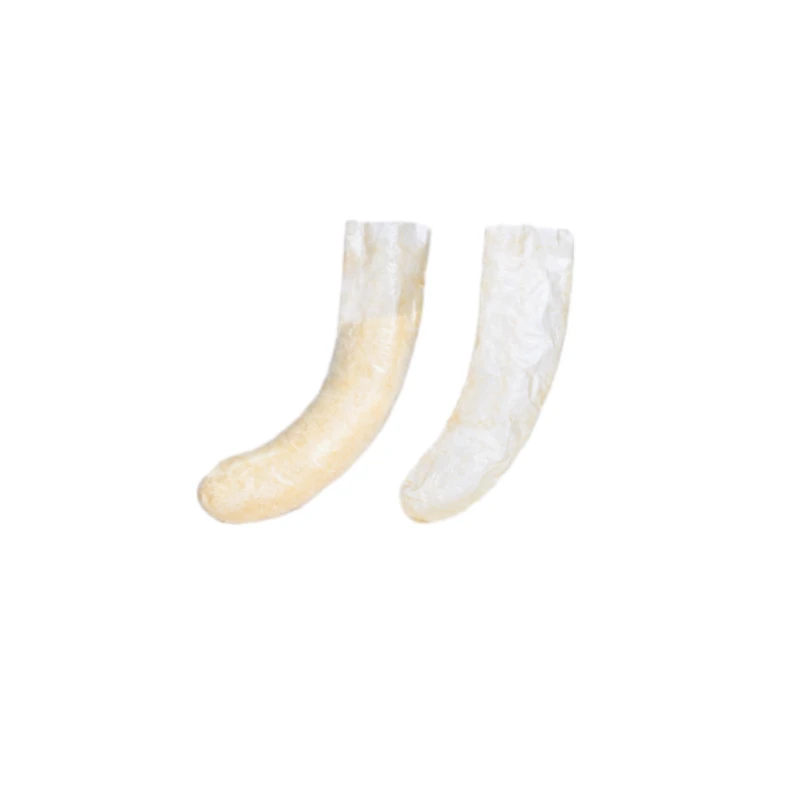
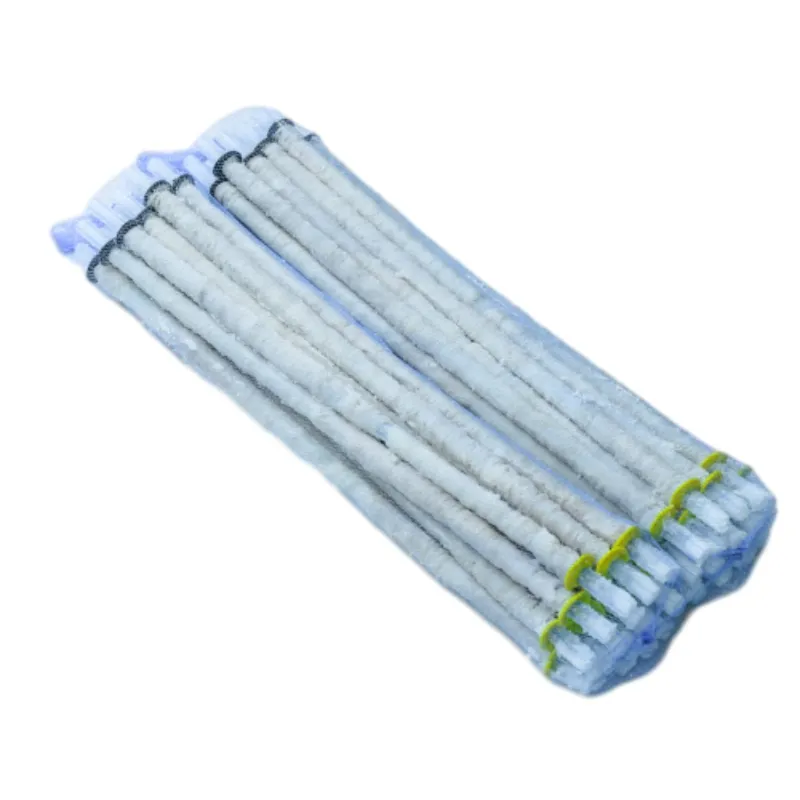
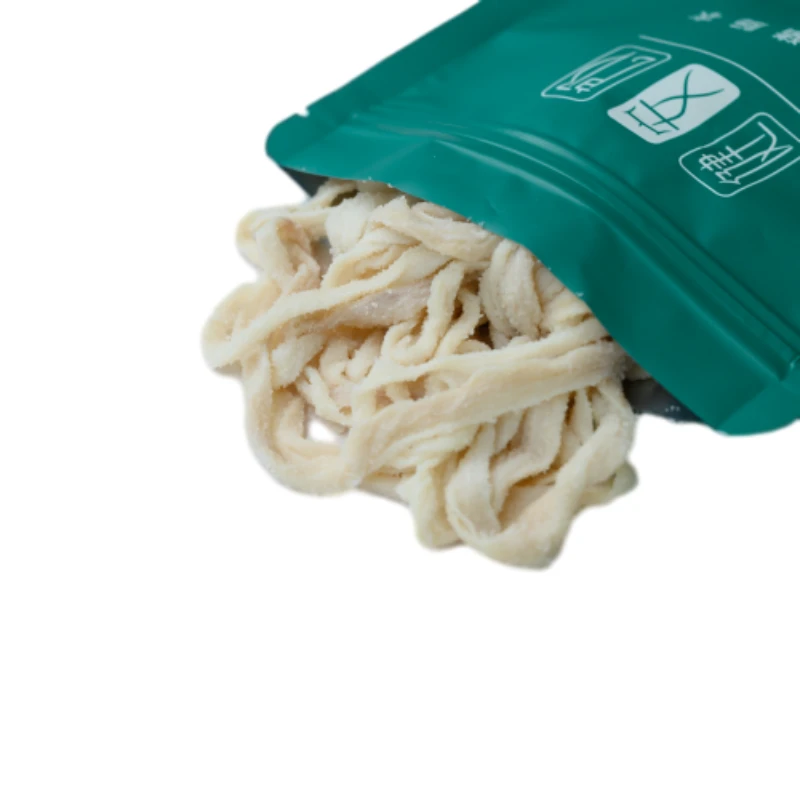
Simply put, “storing hog casings” means preserving the natural sausage casings in a condition that maintains their quality, elasticity, and safety until they’re used in production. This involves controlling environmental factors like temperature, humidity, and sanitation. The casings typically come salted or in a refrigerated state and require specific techniques to keep them from drying out or developing microbial contamination.
On a broader scale, proper storage methods connect closely with modern industrial food processing standards and international trade regulations. They help maintain product consistency, prolong shelf life, and enable export across regions. In humanitarian contexts, these casings often become a vital ingredient in rapid-provision food supplies—dignified, portable sources of protein—a reminder that storing them well also supports social and nutritional needs.
Key Factors in Storing Hog Casings
1. Temperature Control
Temperature is king. Most hog casings require refrigeration between 0–4°C (32–39°F) to inhibit bacterial growth. Some can be frozen for long-term storage but freezing risks damaging the elastic structure, so it’s a bit of a tightrope walk.
2. Salting and Preservation
Salt acts as a natural preservative. Casings are often packed heavily salted which helps inhibit decay. The amount, salt type, and repacking intervals are essential to prevent spoilage without desiccation.
3. Humidity Management
Too dry, and casings become brittle; too damp, and mold can grow. Ideal relative humidity hovers around 70–75%, balancing softness and microbial control.
4. Cleanliness and Hygiene
Because these casings originate from animal intestines, sanitation is critical to reducing contamination risks. Storage rooms are frequently sanitized, and air exchanges moderated to curb airborne bacteria.
5. Packaging and Handling
Casings are delicate and prone to physical damage—folding, tearing, puncturing. Careful handling in clean, sealed containers prolongs usability and prevents contamination.
Mini takeaway: Mastering these storage factors underpins success, combining microbiology and logistics almost like a dance.
Real-World Uses of Properly Stored Hog Casings
The largest beneficiaries of well-stored hog casings are meat processors, artisanal sausage makers, and export businesses. For instance:
- Europe: Traditional sausage production in Germany and Poland depends heavily on natural casings for authenticity.
- Asia: Countries like China and Vietnam use casings extensively while exporting abroad, needing strict storage to comply with import regulations.
- Disaster Relief: Agencies sourcing ready-made meals for refugee camps rely on shelf-stable ingredients including well-preserved casings for high-protein rations.
- Remote Industrial Zones: Mining or oil extraction sites with limited supply chains depend on food products using natural casings that require secure storage upstream.
In these scenarios, the ability to store hog casings effectively ensures continuity, quality, and reliability for end-users who may be days or weeks removed from production hubs.
Advantages and Long-Term Value of Good Storage Practices
From a financial perspective, storing hog casings correctly cuts down on waste—a serious cost saver in an industry where material expenses are tight. Quality preservation means fewer spoiled batches and happier customers, ones who trust the product’s consistency.
Environmentally, proper storage extends casing life and indirectly reduces demand for excess resource usage in production. This adds a sustainability angle that more companies embrace as consumer expectations evolve.
Socially, the value of safety and dignity pops up most in humanitarian food systems. Knowing the casings you use are safe, uncontaminated, and quality-controlled gives relief agencies confidence to deliver nutritious protein foods to vulnerable populations without second-guessing.
Innovations Shaping the Future of Hog Casing Storage
Technology is slowly reinventing how natural casings are stored and transported. For example:
- Cold Chain Digitization: Sensors and IoT devices now monitor temperature and humidity levels continuously, alerting managers to fluctuations before damage occurs.
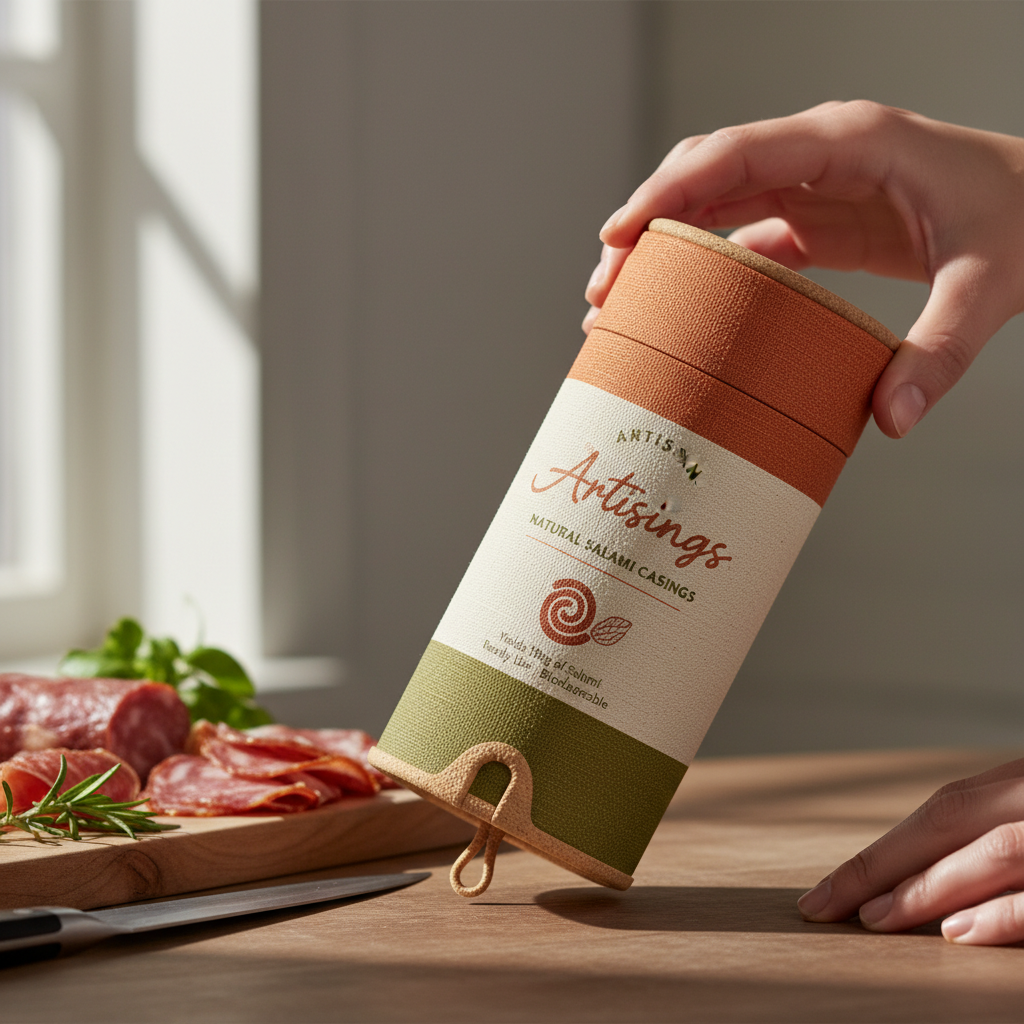
- Biodegradable Packaging: Some vendors experiment with eco-friendly casings storage wraps reducing plastic use, aligning with broader green energy initiatives.
- Advanced Preservation Techniques: Vacuum sealing combined with modified atmosphere packaging (MAP) is prolonging freshness and inhibiting microbial growth without chemicals.
Such innovations point toward a future where storage becomes smarter, more environmentally sensitive, and integrated with global logistics platforms.
Common Challenges and How Industry Experts Are Addressing Them
Maintaining ideal conditions through long supply chains, especially in developing regions with unreliable electricity, remains a hurdle. Salt degradation over time can cause quality dips that buyers often find concerning.
Experts increasingly recommend:
- Investment in solar-powered refrigeration solutions in off-grid areas.
- Improved training for handlers on hygiene and proper packaging techniques.
- Use of digital traceability tools that verify casing condition along transport.
Frankly, it’s a mix of technology, education, and infrastructure improvements that will help overcome these issues most effectively.
Frequently Asked Questions About Storing Hog Casings
- Q: How long can hog casings be stored before use?
- A: If salted and refrigerated properly, hog casings can last up to 2 years. Fresh casings stored chilled generally remain good for about 2–3 weeks. Freezing is possible but can weaken casing integrity due to ice crystal formation.
- Q: What is the best way to rehydrate dried hog casings?
- A: Soaking dried casings in lukewarm water with occasional water changes for 1–3 hours typically restores flexibility. Avoid harsh chemicals which can damage texture and food safety.
- Q: Are there eco-friendly alternatives to traditional casing storage packaging?
- A: Yes, the industry is adopting biodegradable films and papers that can protect casings while reducing plastic waste, supporting sustainability goals.
- Q: Can improper storage affect the taste of sausage products?
- A: Absolutely. Spoiled or overly dry casings can impart off-flavors or alter casing snap and texture, negatively impacting final product quality and consumer satisfaction.
Conclusion: Why Mastering Storing Hog Casings Makes a Difference
Storing hog casings might not headline the food industry’s flashy innovations, but it is a quiet cornerstone of quality, safety, and value—from artisan sausage makers in Europe to relief packets in refugee camps. Paying close attention to storage details pays off by extending shelf life, reducing waste, and supporting economies and communities worldwide.
For anyone involved in this space, whether as a producer, supplier, or user, embracing smart storage is a practical and ethical business move. Curious to learn more or optimize your process? Visit us anytime at storing hog casings.
Product Specification Table
| Parameter | Typical Specification | Notes |
|---|---|---|
| Storage Temperature | 0-4°C | Refrigerated storage recommended |
| Shelf Life (Salted) | Up to 24 months | Depends on salt concentration and humidity |
| Humidity | 70-75% RH | Prevents drying and mold formation |
| Packaging | Vacuum-sealed or salted bundles | Protects from physical damage and contamination |
Vendor Comparison Table
| Vendor | Storage Capabilities | Tech Integration | Sustainability Practices | Global Reach |
|---|---|---|---|---|
| CasingsPro Ltd. | Cold storage plus salt curing | Basic temperature logging | Standard packaging, plastic-based | Europe and Asia |
| NaturTec Solutions | Refrigerated + vacuum package | IoT-enabled monitoring | Biodegradable wraps used | Global |
| SafeCasing Corp. | Salted + humidity controlled storage | Manual entry logs | Plastic-heavy but recyclable | North America |
References
Honestly, it’s fascinating how something as humble as hog casing storage becomes a complex web of tradition, science, and global commerce. Keep your casings right, and your sausages—and profits!—will thank you.