Dec . 01, 2025 12:40
Understanding Meat Casings: A Global Perspective
Meat casings may sound like something straight out of a butcher’s shop, but they play a surprisingly crucial role far beyond the local deli. In a nutshell, meat casings are the protective outer layers—natural or synthetic—that encase sausages and other processed meats.
Globally, meat casings underpin industries from food production to humanitarian relief, offering a packaging solution that's both functional and sustainable. By grasping what meat casings truly are and why they matter, manufacturers, suppliers, and even end consumers can appreciate their role in delivering quality meat products worldwide. Plus, with rising demand and evolving tech, understanding these casings helps solve supply chain bottlenecks that sometimes sneak under the radar.
Meat Casings in the Global Industry: Why They Matter
Did you know that the global sausage market is expected to grow at about 4% annually? (Source: Statista) Much of this growth relies on dependable casings to maintain freshness and appearance. Globally, over 2 billion meters of meat casings are produced each year — ranging from natural products sourced from animal intestines to man-made collagen and cellulose options.
Why is there such a demand? Well, modern industrial meat processing can't function efficiently without them. More compellingly, during emergency relief scenarios—think post-disaster food aid—meat casings help make protein-rich foods portable and shelf-stable, truly life-saving in tough spots. However, one major challenge is matching casing type with end-user needs, balancing cost, shelf life, and appearance.
What Are Meat Casings? A Simple Definition
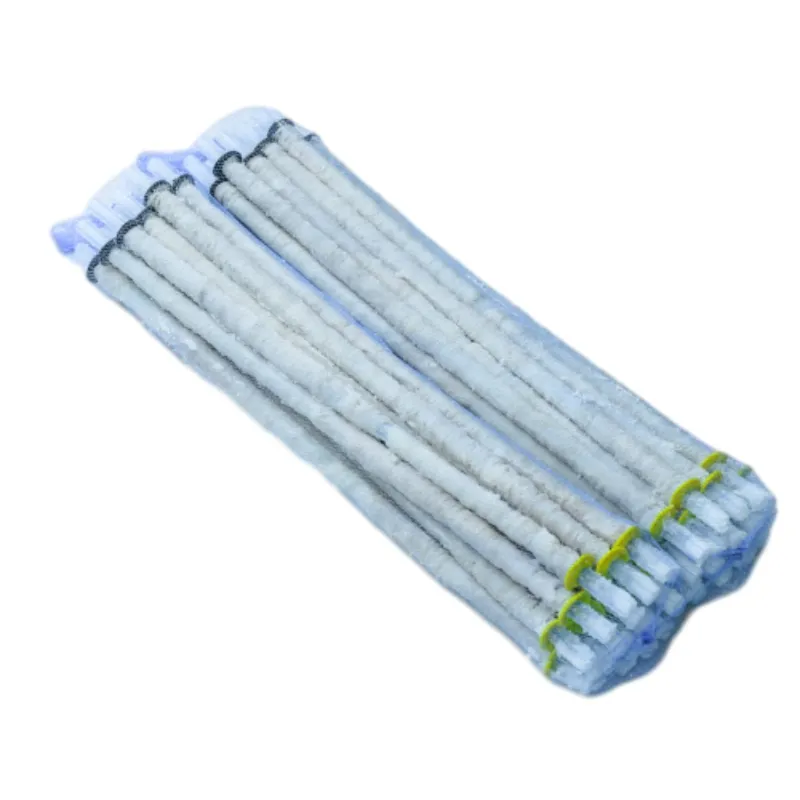
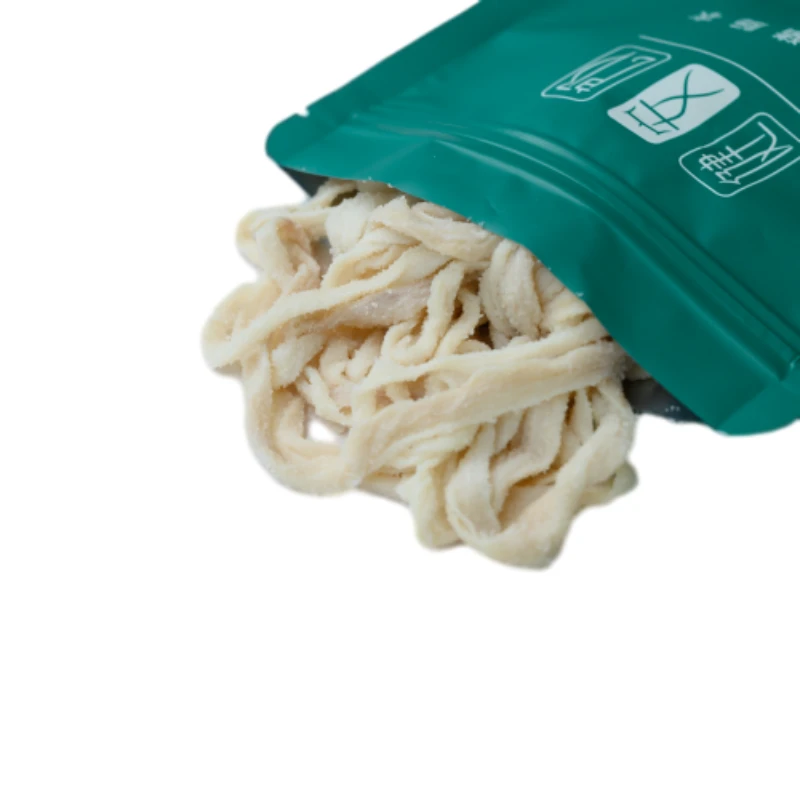
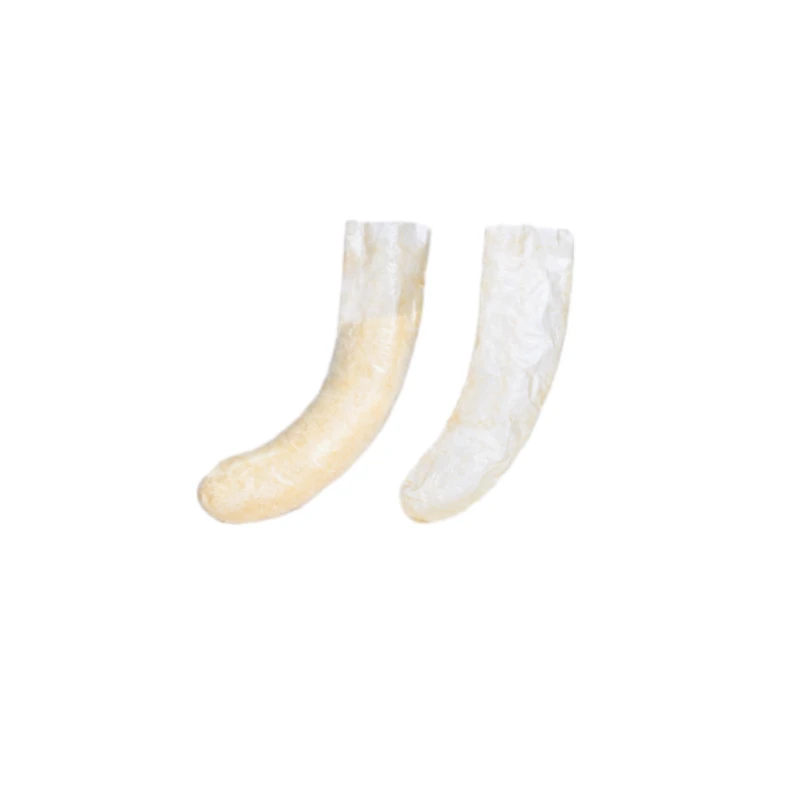
Simply put, meat casings are tubes shaped like sausage skins, used to encase raw or processed meats. They can be natural, primarily made from cleaned animal intestines (usually hog, sheep, or cattle), or artificial, crafted from materials like collagen, cellulose, or plastics designed to simulate natural textures or meet specific processing needs.
Beyond sausages, casings also feature in other preserved meat products, influencing texture, taste, and shelf stability. Their relevance extends into humanitarian food solutions where durability and safety are paramount.
Core Components that Make Meat Casings Essential
1. Durability and Strength
A casing has to hold together throughout processing, cooking, and handling. Natural casings offer excellent tensile strength but vary batch-to-batch, while synthetic casings provide consistent durability. This balance affects production speed and end-product quality.
2. Permeability and Breathability
Natural casings allow smoke and moisture transfer, ideal for smoked sausages. Collagen casings are semi-permeable, useful for quick cooking, whereas cellulose casings tend to be impermeable, often peeled off after processing.
3. Cost Efficiency
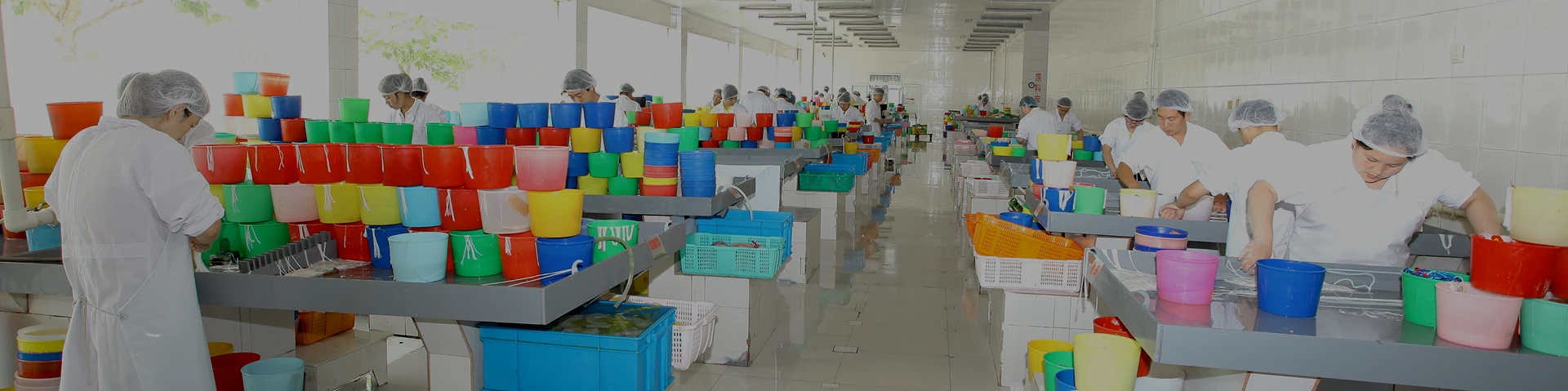
We've all noticed price differences at the butcher. Natural casings, while premium, require labor-intensive preparation and quality control. Artificial casings can be produced en masse, offering cost savings for large-scale operations.
4. Scalability
For multinational producers, sourcing consistent casing materials worldwide is key. Synthetic casings excel here due to uniformity and longer shelf life, easing logistics in expansive markets.
5. Environmental Impact
Oddly enough, natural casings represent a form of upcycling, as they come from by-products of meat production. However, synthetic alternatives—especially those biodegradable or compostable—are gaining ground as green policies tighten globally.
Mini Takeaway:
The choice of casing type balances durability, cost, and environmental footprint — no one-size-fits-all, but plenty of innovation on every front.
Practical Applications Across the Globe
Meat casings fuel diverse industries on every continent. In Europe, traditional butchers prize natural casings for artisanal products, while large manufacturers in North America favor collagen for efficiency and appearance consistency. In parts of Asia, innovative blends accommodate local flavors and packaging needs.
Crucially, humanitarian agencies working in crisis zones depend on meat casing technologies to package durable proteins. After natural disasters in Southeast Asia, for example, sausage-style protein sticks made with collagen casings ensured nutritional support for displaced populations — thanks to their compactness and long shelf life.
Real-World Example:
In 2018, a major relief organization supplied emergency protein rations encased in cellulose-based casings to remote communities in Africa where refrigeration was non-existent. This simple packaging upgrade helped reduce spoilage by 40%, a significant leap forward.
Advantages and Lasting Value of Using Meat Casings
- Reliable Protection: Casings offer a sturdy shell that maintains shape and prevents contamination.
- Extended Shelf Life: Proper casings can slow spoilage and preserve taste.
- Cost-Effectiveness: Scaling casing production reduces waste and improves profitability.
- Sustainability: Natural casings recycle animal parts, synthetic advances include bio-based materials.
- Consumer Confidence: Casings improve product aesthetics and texture, building brand trust.
It’s also worth mentioning the human angle — proper meat casing use preserves dignity in emergency aid by delivering foods that just feel right, not just functional.
Meat Casings in the Age of Innovation
The future buzz around meat casings centers on sustainability and automation. Some firms are experimenting with edible, plant-based casings that dissolve or add nutritional value. Others combine sensors into synthetic casings to monitor freshness in real time—a game-changer for supply chains.
Automation in casing stuffing and handling promises higher throughput with less operator fatigue. Digitally connected production lines can track casing batches back to source farms or manufacturing specs, offering better quality control and transparency.
Common Challenges and Innovative Solutions
Despite all this, challenges remain. Natural casings vary in size and texture, making standardization tricky. Synthetic casings sometimes lack the sensory appeal prized by traditional markets. Cost pressures also dissuade smaller producers from adopting new tech.
The solution? Hybrid approaches mixing natural and synthetic; machine learning to sort and grade casings efficiently; and government-backed R&D grants pushing eco-friendly development. Industry groups are also promoting best practices and certification schemes to improve consistency.
Product Specifications: Comparing Popular Meat Casings
| Casing Type | Material | Typical Diameter (mm) | Permeability | Shelf Life | Cost Range |
|---|---|---|---|---|---|
| Natural | Animal Intestine | 18–32 | High (Breathable) | 6–12 months (refrigerated) | $$$ |
| Collagen | Bovine/Synthetic | 16–28 | Medium | 12–18 months | $$ |
| Cellulose | Plant-Based Fiber | 25–55 | Low (Impermeable) | 18+ months | $ |
Vendor Comparison: Leading Meat Casing Suppliers
| Supplier | Specialty | Geographical Reach | Price Range | Custom Solutions |
|---|---|---|---|---|
| CasingCo Natural | Premium Natural Intestines | Europe, North America | $$$ | Yes |
| FlexiCollagen Ltd. | Collagen Tubes & Casings | Asia, Americas | $$ | Custom diameters |
| EcoCellulose Packaging | Cellulose-Based Casings | Global | $ | Biodegradable options |
Frequently Asked Questions About Meat Casings
Q1: What are the main differences between natural and synthetic meat casings?
A: Natural casings come from animal intestines and offer superior breathability and texture but vary in size and cost more. Synthetic casings like collagen or cellulose provide consistent quality, longer shelf life, and scalability for high-volume operations, often at a lower cost.
Q2: Can I use synthetic casings for smoked sausages?
A: Yes, but it depends on the type. Collagen casings are semi-permeable and suitable for smoking, while cellulose casings are generally impermeable and removed after cooking. Choosing the right casing shapes the final product's flavor and appearance.
Q3: How long can meat casings be stored before use?
A: Shelf life varies. Natural casings typically last 6–12 months refrigerated, collagen casings up to 18 months at room temperature, and cellulose casings often exceed 18 months. Proper storage conditions are key to maintaining quality.
Q4: Are there eco-friendly options in meat casings?
A: Definitely. Natural casings are inherently biodegradable as animal by-products. Additionally, newer synthetic casings focus on bio-based, compostable materials to reduce environmental impact, aligning with global sustainability trends.
Q5: Where can I source quality meat casings internationally?
A: Many international suppliers specialize in natural and synthetic casings. For example, visit meat casings vendors who offer a broad range suited for different industries and scales, with customization and export services included.
Conclusion: The Underrated Hero of Meat Processing
When you peel back the layers, meat casings reveal a fascinating mix of tradition, innovation, and practical necessity. They keep food safe, simplify global supply chains, and even save lives in critical contexts. As the world leans in on sustainability and smarter food tech, casings will only become smarter and kinder to the planet.
Curious to learn more or find your perfect casing solution? Check out meat casings resources for expert advice and high-quality products.
Quick Reflection:
It’s funny how something as simple as a sausage casing can carry such weight—culinary, economic, even ethical. The next time you bite into a quality sausage, you might just appreciate the quiet science and care wrapped inside.