Mar . 31, 2026 02:35
Understanding Hot Dog Casing: A Comprehensive Guide
Hot dog casing is a vital component in sausage production, influencing texture, snap, and overall product quality. Choosing the right casing is crucial for manufacturers aiming to deliver a superior product to consumers. This article explores the different types of hot dog casing available, their characteristics, and considerations for selection. From natural casings to collagen and cellulose options, we'll cover everything you need to know to make an informed decision. Understanding the nuances of each type will help optimize your production process and ensure a consistently high-quality finished product.

The Three Main Types of Hot Dog Casing
The hot dog casing market primarily consists of three types: natural casings, collagen casings, and cellulose casings. Each option presents unique advantages and disadvantages in terms of cost, performance, and processing requirements. Natural casings, traditionally made from animal intestines, offer a distinct 'snap' and texture, but require more preparation and are susceptible to inconsistencies. Collagen casings provide excellent uniformity and are easier to process but typically lack the same snap. Cellulose casings are the most economical option and are easy to use, but often require peeling after cooking. Choosing the right type depends on your desired product characteristics and production capabilities. RTCasing specializes in providing high-quality casings to meet diverse manufacturing needs.
Key Takeaway: Selecting the appropriate casing is critical for achieving the desired texture, appearance, and overall quality of your hot dog product.
Natural Casings: Tradition and Quality
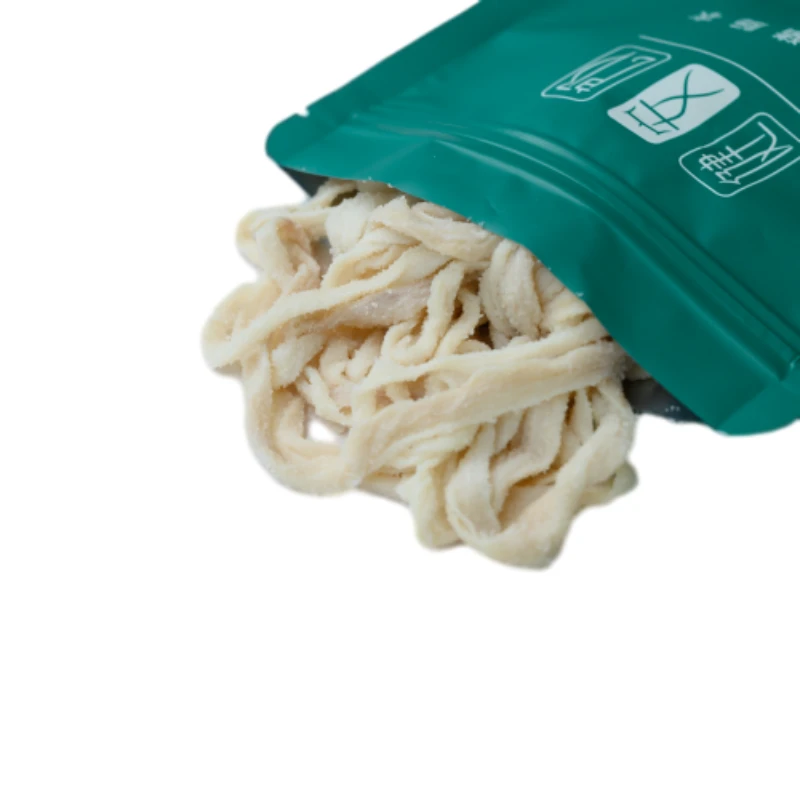
Natural casings, derived from the intestinal lining of livestock (typically sheep or hogs), have been used for centuries. They are prized for the unique "snap" they impart to the sausage, which is a result of the casing's natural elasticity. However, they require significant preparation including cleaning, soaking, and often inverting. Variations in size and quality can occur, making consistent production more challenging. Despite these challenges, many manufacturers value the authentic flavor and texture that natural casings provide. They are often preferred for premium or artisanal hot dog products.
Advantages of Natural Casings:
• Exceptional “snap” and texture
• Natural flavor profile
• Traditional production method
Collagen Casings: Consistency and Efficiency
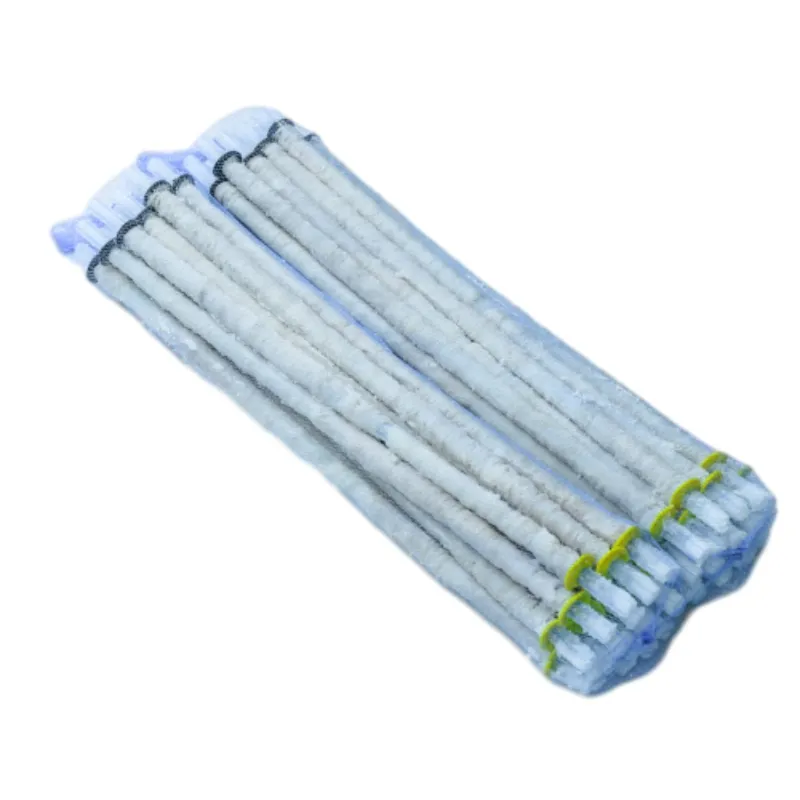
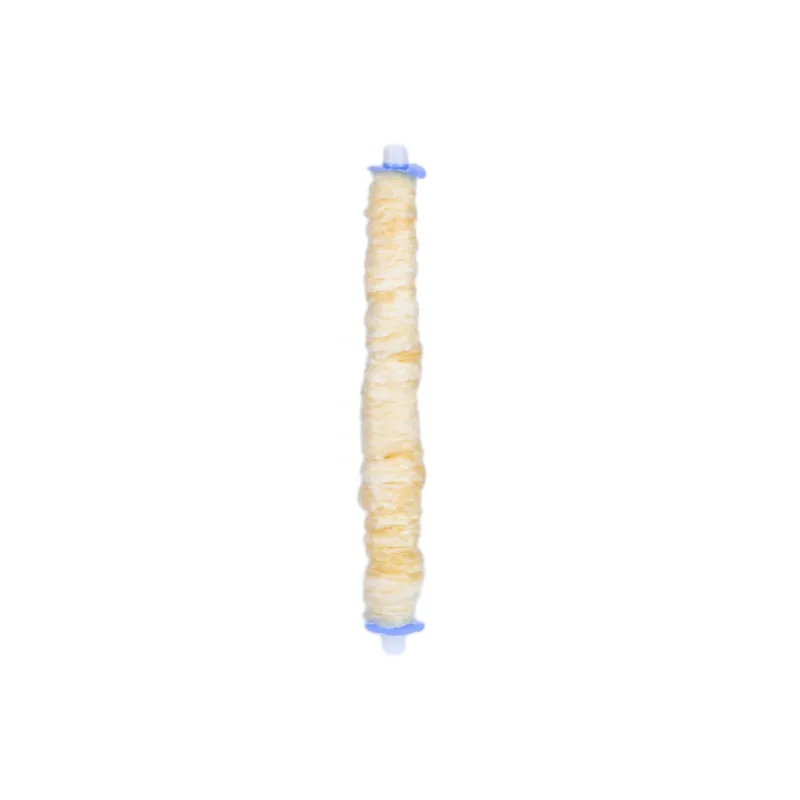
Collagen casings are manufactured from the collagen found in animal hides. They offer a consistent diameter and length, simplifying the production process. Unlike natural casings, they require minimal preparation and are less prone to breakage. Collagen casings provide good elasticity and can be customized to achieve different snap characteristics. They are a popular choice for large-scale hot dog production due to their reliability and efficiency. RTCasing offers a wide range of collagen casings tailored to various processing speeds and product formulations.
Cellulose Casings: Economical and Versatile
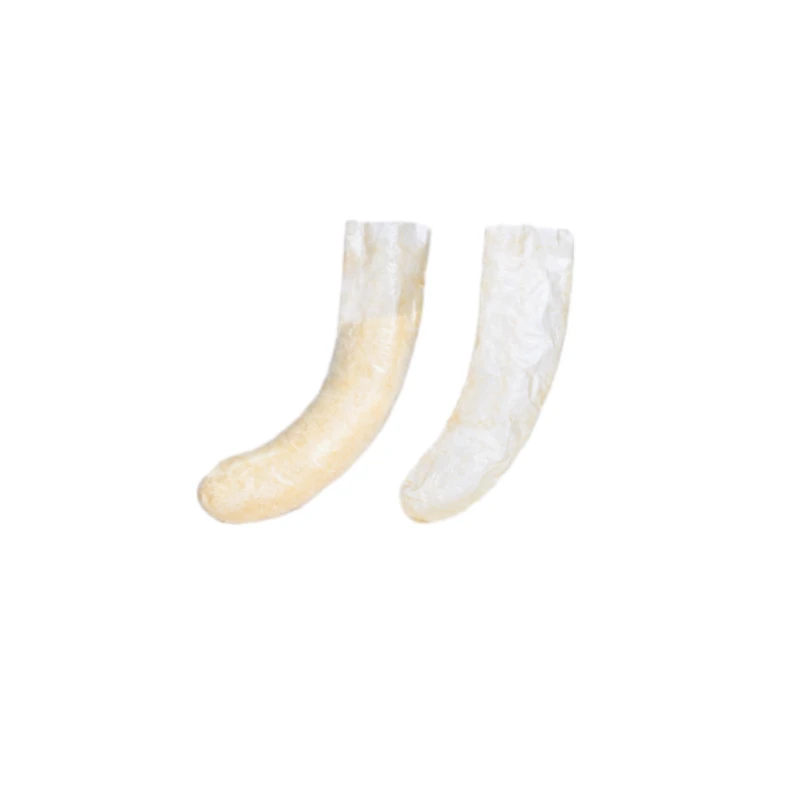
Cellulose casings are produced from refined wood pulp and are the most cost-effective option. They are widely used in mass production due to their ease of use and consistent diameter. Cellulose casings are typically “peeled” off the hot dog after cooking, and are not intended to be eaten. They are an excellent choice for products where casing removal is standard practice. While they lack the "snap" of natural or collagen casings, they provide a reliable and efficient solution for high-volume production.
Conclusion: Choosing the Right Hot Dog Casing
Selecting the optimal hot dog casing depends on a careful evaluation of your production needs, desired product characteristics, and budget constraints. Natural casings deliver superior texture and snap, while collagen casings offer consistency and efficiency. Cellulose casings provide a cost-effective solution for high-volume production. RTCasing provides a comprehensive range of high-quality casings and expert guidance to help you make the best choice for your business.
Frequently Asked Questions (FAQs)
What are the storage requirements for hot dog casings?
Proper storage is crucial to maintain casing quality. Natural casings should be refrigerated and kept moist. Collagen and cellulose casings generally have longer shelf lives and can be stored in a cool, dry place. However, it's always best to follow the manufacturer’s specific storage recommendations. Exposure to extreme temperatures or humidity can compromise the casing's integrity and performance.
How does casing caliber affect the final product?
Casing caliber, or diameter, directly influences the size and shape of the final hot dog. Selecting the appropriate caliber is essential for consistent product dimensions and packaging. Different calibers are available to suit various production lines and customer preferences. Choosing the correct caliber also impacts the meat-to-casing ratio, which affects the overall texture and flavor.
Can casings be used for other types of sausages?
Yes, many types of casings can be used for other sausages, but the choice depends on the specific sausage characteristics. Natural and collagen casings are commonly used for sausages requiring a "snap" and natural texture. Cellulose casings are often used for emulsified sausages or those requiring peeling. It’s important to consider the heat processing, smoke exposure, and desired shelf life when selecting a casing for a different type of sausage.