Oct . 22, 2026 23:43
THE BUYER'S GUIDE / SELECTION
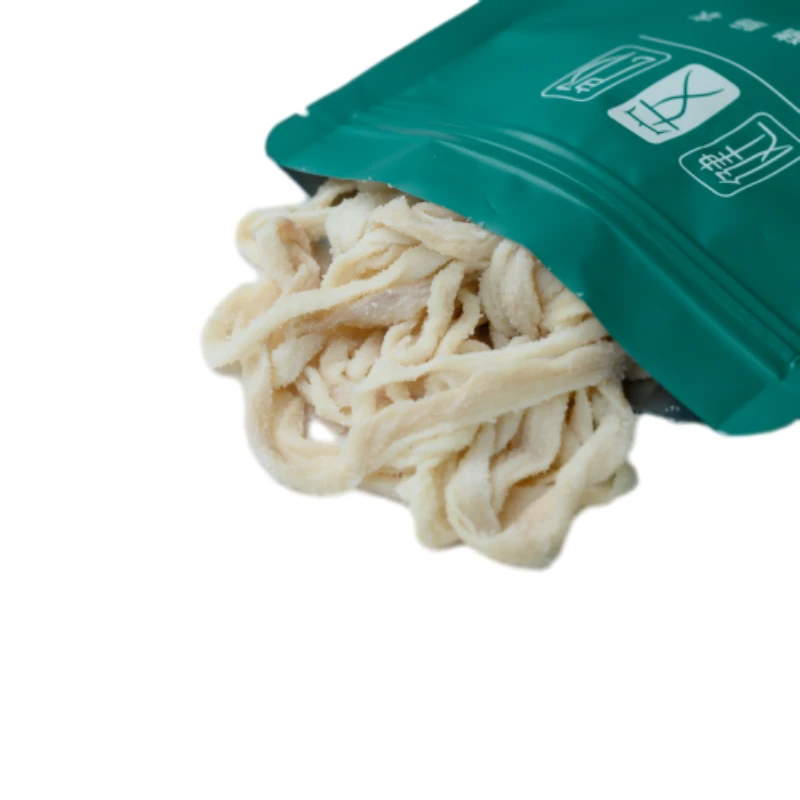
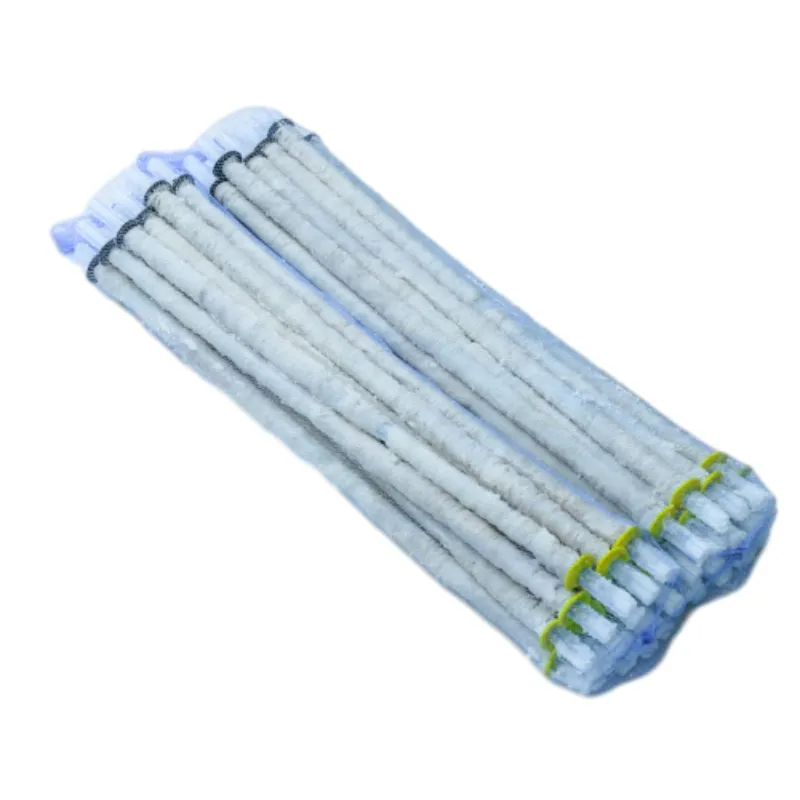
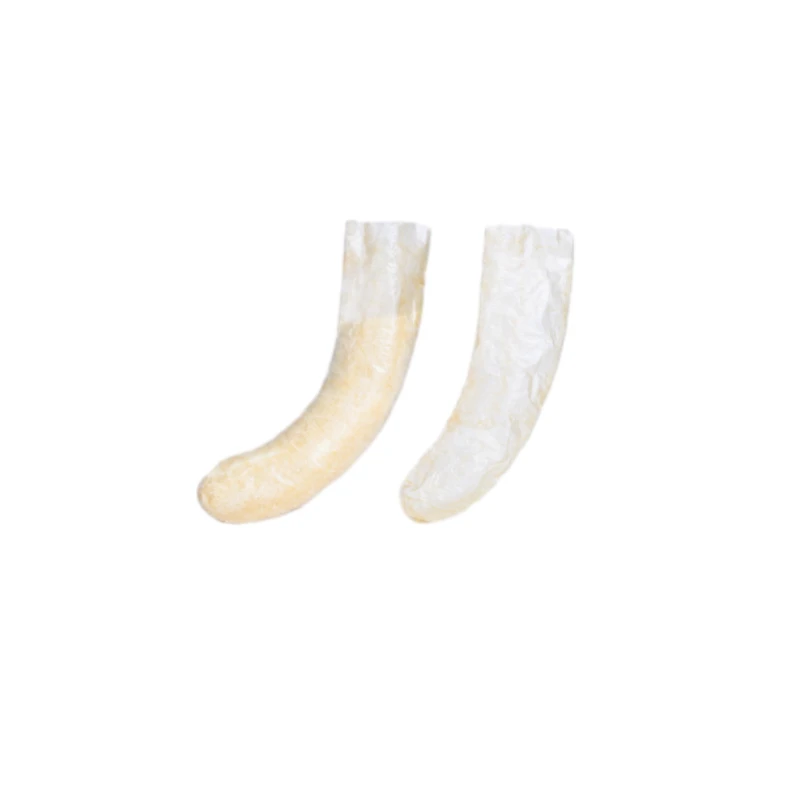
Choosing Dried Hog Casing: Application Fit and Specification Checks
A buyer-focused guide to selecting dried hog casing. It covers storage, how consistent the casing is, rehydration, the sausage types and shapes it suits, and the specification points to confirm with the supplier before ordering. Prices, lead times and certifications are not covered here and need to be confirmed directly.

Storage: the supplier says shelf life is extended when the casing is stored cool and dry, with no refrigeration needed before use
Consistency: the supplier says the casing is pre-processed for uniform diameter, thickness and strength; confirm diameter options and tolerances for your order
Ease of use: the casing is ready after rehydration (soaking for a specified time) with no extra cleaning; get the soaking instructions from the supplier
Application fit: described as suiting industrial lines, small butchers and processors, fresh, smoked, cooked, fermented or dried sausages, and special-shaped sausages
Strength: described as less likely to burst during stuffing and cooking than some natural casings; verify with a trial on your own line
Hygiene: described as processed under controlled conditions; request the documents your market requires
Cost and waste: described as generally cheaper than natural casings, with less waste; compare written quotations, as no prices are given
Choosing Dried Hog Casing: Application Fit and Specification Checks
Buying dried hog casing starts with your own production limits: how you store stock, how much sizing variation your line can handle, how much preparation labour you have, and which sausage styles and shapes you make. This guide sets out the selection criteria supported by the product description from RUNTAI (HEBEI)CASING CO.,LTD. It also lists what you should confirm in writing before placing an order.
1. Start with your buyer constraints
Before you compare offers, write down:
- Storage conditions: whether you have cool, dry storage, and whether refrigerated space is limited.
- Production scale: industrial lines or smaller butcher and meat-processing operations.
- Product range: fresh, smoked, cooked, fermented or dried sausages, and any special-shaped products.
- Sizing tolerance: how much variation in diameter your stuffing equipment and finished-product specification can accept.
- Labour and preparation time: how much time your team can spend preparing casings before stuffing.
These answers decide whether a dried tubed casing suits your operation better than the casing you use now.
2. Selection criteria for dried hog casing
Storage and shelf life
The product description says dried tubed casings have an extended shelf life when stored properly in cool, dry conditions. It also says they need no refrigeration before use, which can lower storage costs. Check: whether your warehouse can reliably stay cool and dry. Ask the supplier for its recommended storage conditions and shelf-life statement for your specific lot.
Consistency and uniformity
The casing is described as pre-processed for uniform diameter, thickness and strength. This supports consistent sausage sizing, with fewer weak spots or irregularities than natural casings. Check: ask for the diameter options and tolerances that apply to your order, and compare them with your stuffing nozzles and portion targets.
Ease of use and rehydration
The description says the casing is ready to use after rehydration, which means soaking it in water for a specified time. It needs no additional cleaning or preparation. Check: ask the supplier for the soaking time and water conditions for the size you are buying. The source does not give these, so do not assume a standard method.
Application fit
The stated ideal applications are:
- Industrial, large-scale sausage production
- Small-scale butchers and meat processors
- Smoked, cooked or dried sausages
- Special-shaped sausages, such as Christmas tree, Mickey, star, duck and rabbit shapes
The description also says the casing suits fresh, smoked, cooked or fermented sausage types. Check: confirm suitability for your exact recipe, cooking process and shape with a trial before committing to volume.
Strength during stuffing and cooking
The casing is described as less likely to burst during stuffing and cooking than some natural casings, with good elasticity and tensile strength for a secure fill. Check: run a stuffing and cooking trial on your own equipment. Line speed, fill pressure and cooking method all affect results.
Hygiene
The description says the casing is processed under controlled conditions to support food safety. It also describes a lower risk of bacterial contamination than improperly handled natural casings. Check: ask for the documents your market and customers require. This guide does not confirm any certification.
Cost and waste
The supplier describes dried tubed casings as generally cheaper than natural casings such as hog or sheep casings. Standardised sizing and durability are said to reduce waste. Check: request a written quotation for your size and quantity, then compare the total cost per finished sausage, including any rejects. No prices are stated here.
3. When dried hog casing may not be the right choice
- You cannot keep storage cool and dry. The stated shelf-life benefit depends on proper storage.
- Your process cannot fit a rehydration step before stuffing.
- A trial on your line or recipe shows sizing, strength or texture problems.
4. Questions to ask hog casing manufacturers
When you contact hog casing manufacturers, including RUNTAI (HEBEI)CASING CO.,LTD., ask for:
- Available diameters and the tolerance for each
- Rehydration instructions (soaking time and water conditions)
- Recommended storage conditions and shelf life
- Samples for a stuffing and cooking trial
- A quotation, lead time and any certification or compliance documents for your destination market
The first four questions concern the product characteristics described above. The last asks for commercial details this guide does not cover.
Conclusion
The product description presents dried tubed casings as a practical option for sausage makers who value efficiency, cost savings and product uniformity. Dried hog casing fits best when you can store it cool and dry, include a rehydration step in your process, and make products that benefit from consistent sizing. Confirm sizes, preparation steps and documentation with the supplier, and run your own trial before ordering at scale.
THE PEOPLE

About the author
THE COMPANY
RUNTAI (HEBEI)CASING CO.,LTD.
Runtai(hebei) casings co., ltd established in july 2003, which is specializing in processing sausage casings mainly for export. We are the member of international natural sausage casings assotiation. we are appointed to import and export casings and got qualification of processing overseas casings as the designated factory. It is located in the west of shunping county, near to the baofu road to the west.…
About Us ↗Visit company website ↗YOUR NEXT STEP
Bring your brief. Start a useful conversation.
Use case, specification, quantity and delivery window: make the next conversation specific.