Dec . 02, 2025 19:56
Why China Salted Sausage Casings Are a Big Deal Globally
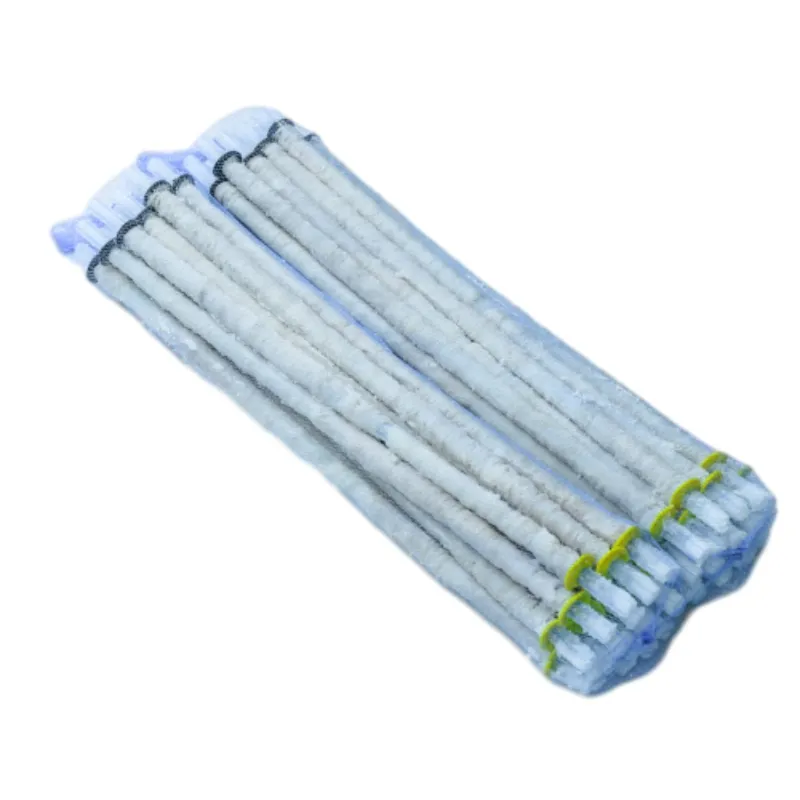
Salted sausage casings might not be the first thing that comes to mind when thinking of global food supply chains, but china salted sausage casings have quietly become vital in the world of meat processing and preservation. As demand for high-quality, natural sausage products rises—especially in Asia and Europe—the sourcing and supplying of these casings have grown into a globally significant trade. Understanding these casings is not just for sausage makers; it’s a peek into a centuries-old tradition backed by modern industrial efficiency and food safety.
Why does this matter worldwide? Well, in countries where meat consumption is booming, and artisanal sausage-making remains a cultural cornerstone, natural casings provide an unmatched texture, flavor, and preservation quality that synthetic alternatives just can’t fully match. Plus, China’s role as a leading supplier shapes market trends and global pricing, influencing everything from small family businesses to large-scale food manufacturers.
Global Context: The Expanding Reach of China Salted Sausage Casings
According to recent reports by the UN's Food and Agriculture Organization (FAO), global meat consumption is expected to grow steadily over the next decade, with Asia being a primary driver (FAO, 2023). That said, the demand for traditional, natural sausage casings from pork and beef intestines, primarily supplied by China, has surged in step.
Here's the challenge: natural casings require meticulous cleaning, salting, and quality control to meet international food safety standards. Not all suppliers manage this well, and inconsistency means lost contracts or worse—consumer health risks. So, while many look for cost-effective synthetic options, the industry continues to favor natural, salted casings for their authentic qualities.
What Exactly Are China Salted Sausage Casings?
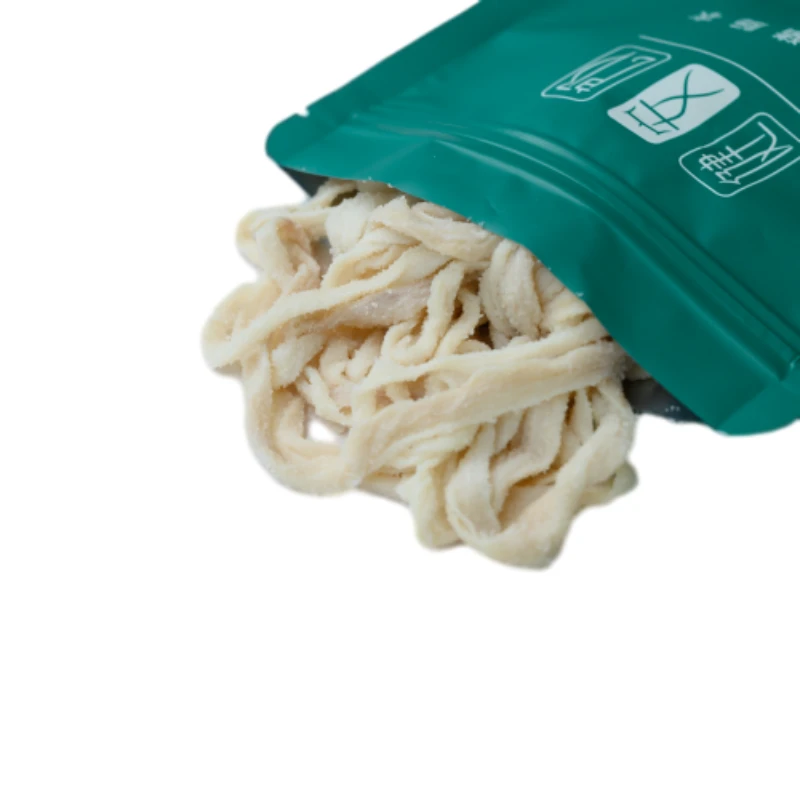
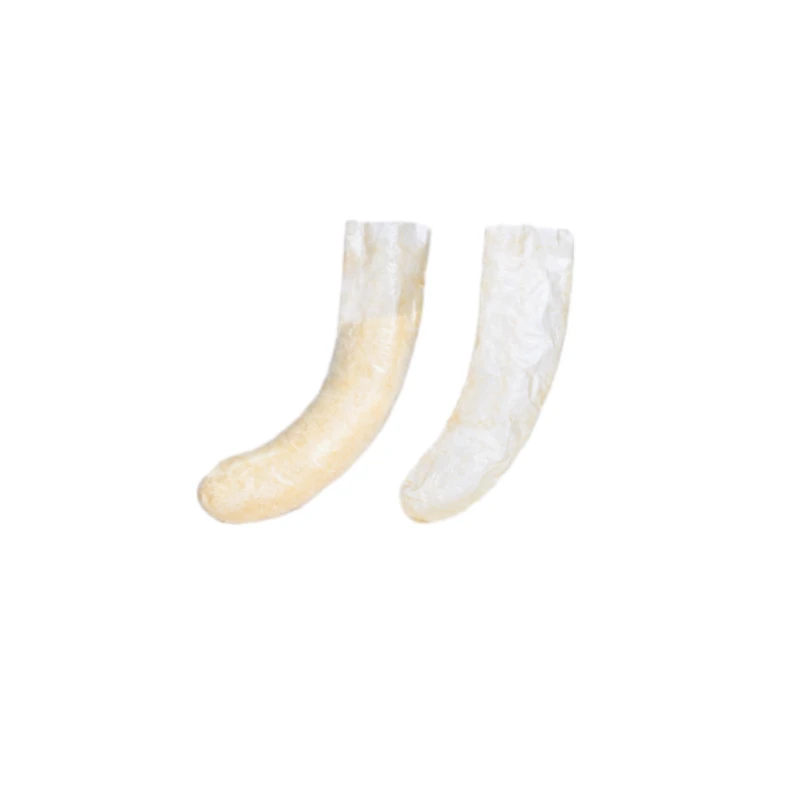
Simply put, salted sausage casings are the cleaned and salted intestines of animals—mostly pigs, sheep, or cows—that serve as the sausage’s outer skin. China’s salted casings are especially prized because of their size, texture, and the centuries-old preservation methods used. Salt acts as a natural preservative, allowing these casings to be stored and shipped worldwide without refrigeration for long periods.
This traditional product adapts surprisingly well to modern industry needs. From artisan producers in Europe to industrial sausage factories in America, these casings represent a natural, food-safe vessel that also contributes to flavor development and product durability.
Core Components & Critical Factors in China Salted Sausage Casings
1. Durability and Strength
Strong, flexible casings are essential for easy stuffing and uniform cooking. China salted sausage casings are known for lasting through mechanical processing without tearing—many say their quality rivals or beats casings from other origins, thanks to specific cleaning and curing techniques developed over decades.
2. Size Range and Uniformity
Producers appreciate a wide size variety. China’s casings come in diameters suitable for everything from small breakfast sausages to large salamis. Uniformity is prized because it ensures consistent product weight and cooking times.
3. Preservation via Salting
The salting process not only preserves the casings but also reduces microbial activity, providing a natural barrier during shipping. This extends shelf life and lessens refrigeration needs—a boon for exporters.
4. Food Safety Compliance
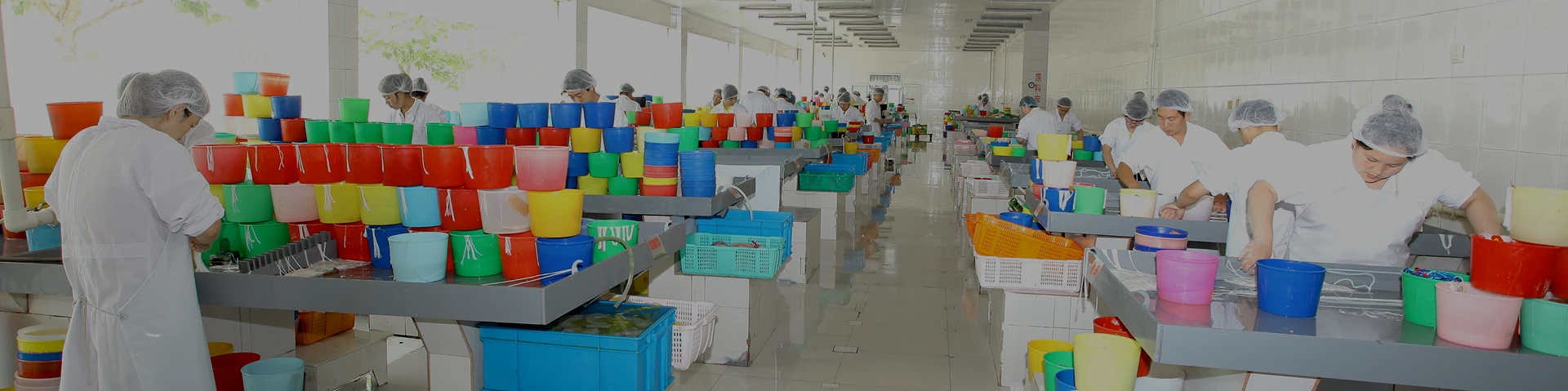
Meeting ISO and FDA standards is no trivial matter. Many Chinese suppliers are investing heavily to meet these certifications to compete in international markets. This involves testing for contaminants, proper hygiene practices, and traceability systems.
5. Cost Efficiency
Compared to European casings, or synthetic alternatives, china salted sausage casings often offer a cost advantage without compromising quality—making them attractive to a wide buyer base.
Mini Takeaway: In real terms, sourcing from China combines historic expertise with growing industrial rigor, making these casings an ideal choice for many sausage producers worldwide.
Global Use Cases for China Salted Sausage Casings
The use of these casings goes beyond regional Chinese markets. Notably:
- Europe: Artisans who produce classic salamis and dry sausages rely heavily on natural casings for authenticity.
- North America: Industrial producers use them for fresh and smoked sausages, enjoying the consistency and safety provided by salted casings.
- South America: Meat processors integrate these casings for local sausage varieties, benefiting from the cost-effectiveness versus local options.
Also, in places where refrigeration is limited or costly, salted casings support longer storage and shipment of meat products — quite relevant in emerging economies or remote operations.
Advantages & Long-Term Benefits
There’s a reason why natural casings, especially salted ones from China, are favored:
- Enhanced flavor and texture: Natural casings allow for a bite and snap you just can’t replicate with synthetics.
- Eco-friendly: By-product utilization reduces waste, adding sustainability value.
- Cost savings: Longer shelf-life reduces spoilage risks and inventory costs.
- Consumer trust: Natural casings carry cultural value and perceived quality, a key brand differentiator.
It’s easy to get technical and forget consumers care deeply about safety and taste—both boosted by quality casings. Frankly, well-made salted casings encapsulate heritage and innovation alike.
Looking Ahead: Innovations and Trends
The industry is evolving in multiple directions. A few exciting ones:
- Sustainability efforts: More suppliers exploring greener salting and cleaning techniques to reduce environmental impact.
- Digital traceability: Blockchain and RFID tech help verify origin and safety, reassuring buyers worldwide.
- Automation: Advances in automated sorting and casing preparation improve output and consistency.
On the policy front, tightening food safety regulations globally push Chinese suppliers toward even higher standards. Oddly enough, consumer preferences for ‘authentic’ foods keep the demand for natural casings strong.
Challenges & How Experts Address Them
Of course, it’s not all rosy:
- Quality variability: Not all batches are identical; suppliers combat this by standardized processes and rigorous testing.
- Transport logistics: Ensuring casings arrive in ideal condition is tricky. Protective packaging and salting protocols help.
- Competition from synthetics: Synthetic casings are cheaper and easier to handle but don’t match natural’s culinary appeal.
Innovative solutions, like combining natural casings with coatings or bio-based preservatives, show promise in overcoming these hurdles.
Frequently Asked Questions About China Salted Sausage Casings
Q1: How do china salted sausage casings differ from synthetic ones?
A: Natural casings from China offer superior texture and flavor, originating from actual animal intestines, whereas synthetics are plastic-based and often lack that ‘snap’ consumers love. However, synthetics can be more uniform and easier to store.
Q2: What storage conditions are best for salted sausage casings?
A: Salted casings can be stored at cool, dry conditions without refrigeration for several months thanks to the preservation effect of salt. Properly sealed packaging is essential to prevent moisture and contamination.
Q3: Are china salted sausage casings compliant with global food safety standards?
A: Many Chinese suppliers now meet international certifications like ISO and FDA requirements; buyers should always check documentation and request sample testing for peace of mind.
Q4: Can these casings be customized for specific sausage types?
A: Yes, casings come in various diameters and thicknesses to suit different sausage recipes, from tiny breakfast links to large salamis.
Q5: How can international buyers source these casings efficiently?
A: Partnering with reputable exporters and confirming logistic arrangements upfront helps ensure timely and safe delivery. B2B platforms often connect producers with verified Chinese casing suppliers effectively.
Spec Sheet: Typical China Salted Sausage Casings
| Specification | Value | Notes |
|---|---|---|
| Material | Natural animal intestine (mostly pig and sheep) | Sourced and curated locally |
| Size Range | 15mm to 50mm diameter | Varies by casing type |
| Salt Content | 15-20% (by weight) | For preservation and texture |
| Shelf Life | 6-12 months (under proper storage) | No refrigeration needed |
| Certifications | ISO, FDA (selected suppliers) | Varies by producer |
Comparing Top China Salted Sausage Casing Vendors
| Vendor | Quality Grade | Compliance Certifications | Typical Lead Time | Price Range (USD/kg) |
|---|---|---|---|---|
| Qingdao Natural Casings | Premium | ISO 22000, FDA | 2-3 weeks | 5.50 - 7.00 |
| Shaanxi Casing Co. | Standard | ISO 9001 | 3-4 weeks | 4.00 - 5.50 |
| Guangdong Casings Ltd. | Mid-tier | ISO 22000 | 2-3 weeks | 4.50 - 6.00 |
Conclusion: Why China Salted Sausage Casings Remain a Top Choice
It feels like a mix of tradition, science, and global trade savvy has kept china salted sausage casings in the spotlight. Their unique blend of natural preservation, strength, and value makes them a cornerstone ingredient in countless sausages worldwide. As global food markets continue to evolve, these casings are adapting too—incorporating modern quality controls and sustainability measures, which only add to their appeal.
If you’re in the food production space or simply curious about where your sausage gets its snap, diving deeper into these casings opens up a fascinating world. For those interested in sourcing or learning more, be sure to check out reliable suppliers like china salted sausage casings specialists.
References: