Dec . 02, 2025 19:40
Understanding China Natural Casing: A Global Perspective
“China natural casing” might sound niche at first, but it’s actually a small yet critical component in several industries worldwide. Simply put, natural casing refers to the edible, animal-based membranes often used in sausage production and a handful of other specialized applications. China’s natural casing manufacturing and supply have scaled impressively in recent years — and rightly so, as global demand surges alongside the popularity of natural, all-organic products.
Why should we care about this? Well, global meat production has increased significantly over the last decade, and with it, the natural casing market. According to the United Nations' Food and Agriculture Organization (FAO), over 330 million tonnes of meat were produced globally in 2022, signaling a strong demand for casing that is both sustainable and high-quality (1). China’s role as a key exporter and innovator in this space has made “china natural casing” a phrase cropping up more often in supply chain talks.
Mini Takeaway: Natural casing is more than just a traditional food wrap; it’s now intertwined with global food security, sustainable manufacturing, and culinary craftsmanship — with China playing a significant global role.
Why China Natural Casing Matters Globally
Looking beyond cuisine, along with China’s booming meat industry, the natural casing sector addresses several challenges:
- Resource efficiency: Utilizing natural by-products such as animal intestines reduces waste.
- Food safety: Regulated casing production ensures hygiene compliance critical for export markets.
- Market diversity: Global gourmet and artisanal markets increasingly favor natural casings over synthetic.
- Employment & rural economies: Small-scale farmers and processors benefit from market demand.
To give you a sense: China is currently the world’s largest producer of natural casings, commanding about 35% of global market share (2). Yet, despite this sizable lead, quality inconsistencies and regulatory hurdles still challenge some manufacturers — a problem that the industry continues to tackle through innovation and stricter oversight.
What Exactly Is China Natural Casing?
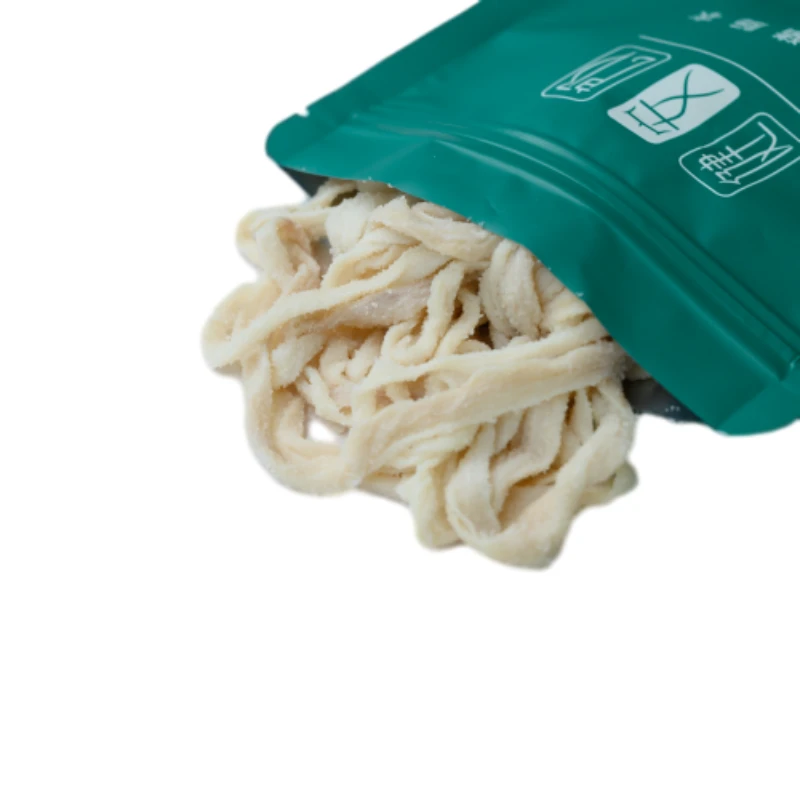
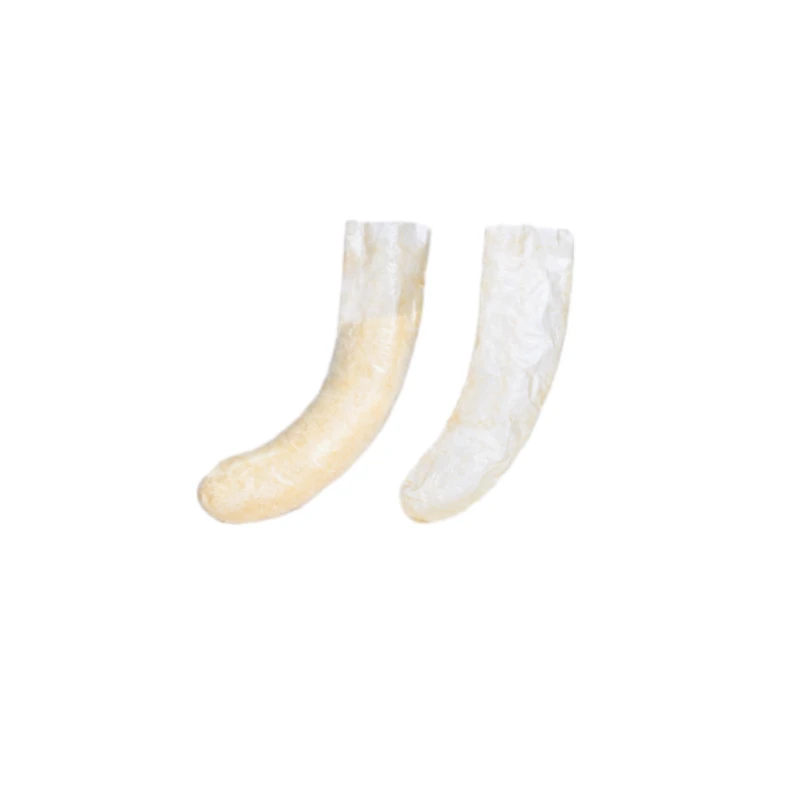
At its heart, “natural casing” is simply the cleaned membrane of the small intestine of pigs, sheep, or cattle, prepared to be filled, often with sausage meat. China natural casing, then, means those casings sourced, processed or exported from China using industry-standard methods — tending to be prized for affordability and bulk availability.
These casings are graded by diameter, thickness, and elasticity, all which affect their utility in different sausage styles. Unlike synthetic alternatives — which might use collagen or cellulose — natural casing is prized for its bite, flavor infusion, and traditional appeal.
Interestingly, natural casing also finds use beyond food: in some regions, casings show up in biomedical applications or exotic instruments, a quirky offshoot but notable nonetheless.
Core Factors That Define High-Quality China Natural Casing
1. Durability and Elasticity
Good casings stretch without tearing during stuffing yet remain firm enough to hold shape during curing or cooking. Many producers in China have introduced modern washing and grading systems to improve this.
2. Hygiene and Safety Standards
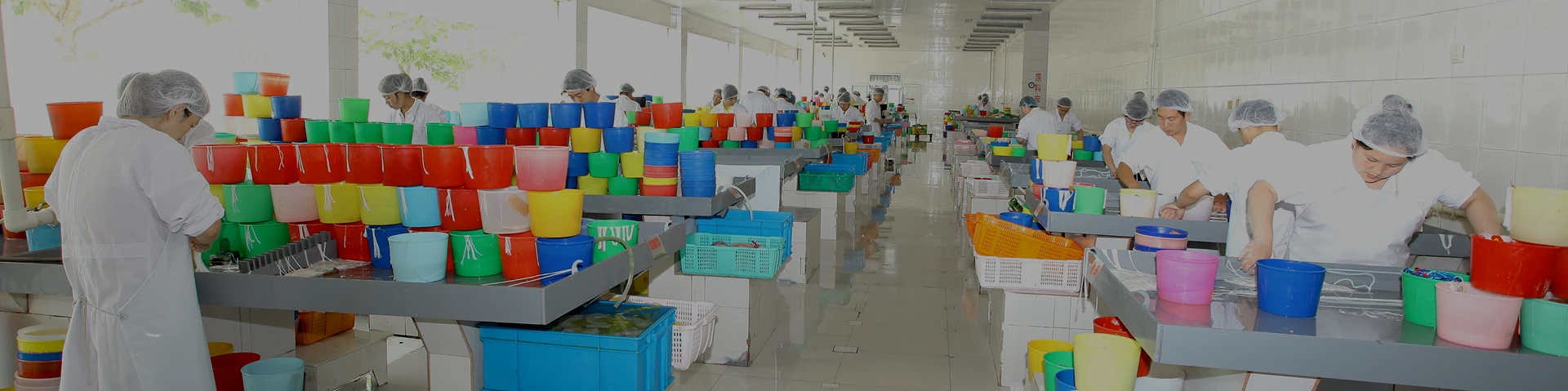
Since this is an edible product, the processing facilities adhere to rigorous sanitation protocols and traceability to comply with global export laws — this became especially pivotal amid pandemic concerns.
3. Size Variety and Customization
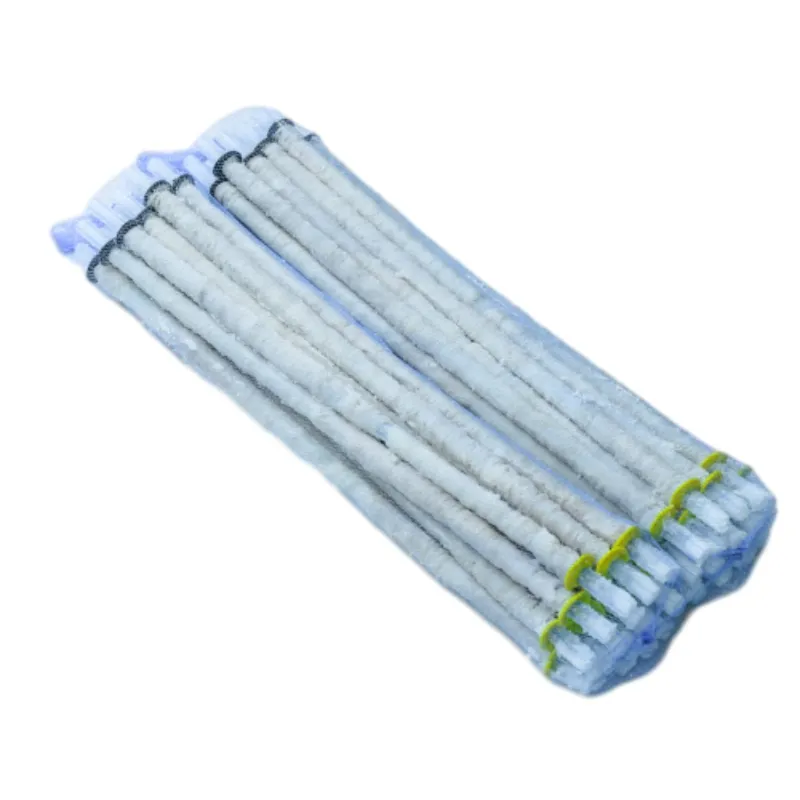
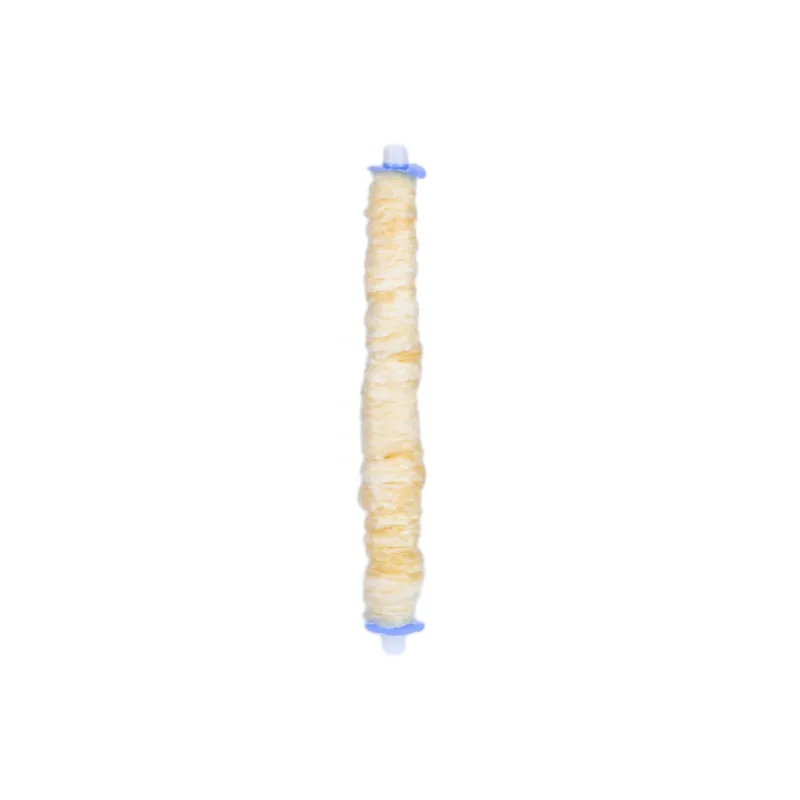
From small snack sausages to large smoked hams, producers offer casings in varying diameters fitting different culinary needs. China’s large-scale supply chain makes it easier to fulfill bulk or highly customized orders.
4. Cost Efficiency
China natural casing is often available at more competitive prices due to the scale of animal farming, streamlined processing, and lower labor costs — a key factor for many international buyers.
5. Sustainability
Natural casing production typically uses animal by-products otherwise discarded, aligning with circular economy principles. Recent factories emphasize eco-friendly wastewater treatment and minimal chemical use.
China Natural Casing in Global Markets & Industrial Use
China natural casing finds its way into:
- European and American butcheries: For traditional sausages like bratwurst, chorizo, or kielbasa, where texture and flavor count.
- Artisan manufacturing: Gourmet brands and farmers markets desire natural casing to enhance authenticity.
- Food relief and supply chains: Some humanitarian NGO packaged meat products utilize natural casings for shelf stability and consumer acceptance.
- Export-driven meat producers: To meet rising demand in Southeast Asia and Middle Eastern markets favoring natural ingredients.
In a way, this means that when you bite into a nicely textured sausage in Europe or the U.S., chances are good that the casing might trace back to a factory in China.
Real-World Example: A Case of Sausage Success in Germany
A mid-sized German gourmet sausage producer recently switched to sourcing certain sheep and hog casings from China. The move reduced their casing costs by about 20%, increased supply reliability during high-demand seasons, and preserved high product authenticity. The owner noted that “the texture and smoke absorption our clients enjoy remained intact, plus we could customize each batch diameter efficiently.”
It’s little stories like this that reveal how china natural casing quietly supports big flavor traditions worldwide.
Advantages & Long-Term Benefits of Choosing China Natural Casing
- Authenticity: Natural casing imparts a unique texture and snap to sausages that synthetics struggle to mimic.
- Economic: Buyers benefit from lower prices and large-volume availability.
- Sustainability: Utilizes animal by-products fully, reducing waste significantly.
- Social Impact: Supports rural farming communities and small processors in China.
- Trust & Compliance: Increasing quality controls ensure safer, certified products.
On an emotional note, purchasing natural casing feels like honoring tradition and craftsmanship, blending food science with heritage.
Emerging Trends and Innovations in Natural Casing
The industry isn’t stuck in the past. Recent innovations focus on:
- Digital traceability: Blockchain tools tracking casing origin to improve consumer confidence.
- Eco-friendly processing: New wastewater treatments reduce environmental impact of casing facilities.
- Bioengineering: Experimental projects are exploring lab-grown alternatives that mimic natural casings.
- Automation: Improved mechanical cleaning and grading yield better consistency and hygiene.
Such trends aim to balance tradition with modern sustainability and efficiency demands — edging china natural casing towards a smarter future.
Challenges & Practical Solutions
Yet, hurdles remain:
- Quality inconsistency: Batch variations affect product uniformity — improved grading tech helps here.
- Export regulations: Fluctuating international standards require constant compliance efforts.
- Environmental strains: Effluent from processing plants needs careful management.
The good news is many suppliers invest heavily in consultancy and advanced facility upgrades. Plus, worldwide demand encourages better regulatory alignment over time.
Quick FAQ About China Natural Casing
- Q1: How long can china natural casing be stored before use?
- A: When properly salted and dried, natural casings can last up to two years. Refrigerated storage extends shelf life, but it’s best to use them within six months for optimal quality.
- Q2: Are china natural casings suitable for export to the EU or US?
- A: Yes, many Chinese producers comply with EU and FDA regulations, including hygiene certifications and traceability, making them fully export ready.
- Q3: Can natural casing be customized by size or thickness?
- A: Absolutely. Most Chinese suppliers offer a broad range of sizes, from snack-size to large hog casings, tailored to client requirements.
- Q4: What makes natural casing better than synthetic alternatives?
- A: Natural casings provide superior texture, “snap,” and flavor absorption that synthetic casings cannot replicate. They’re also biodegradable and often preferred by consumers seeking natural products.
Product Specification Table: Typical China Natural Casing Characteristics
| Parameter | Range / Value | Description |
|---|---|---|
| Diameter | 16–32 mm (varies by species) | Size suitable for various sausage types |
| Length per unit | Up to 91 meters (strand length) | Bulk quantities for continuous production |
| Moisture Content | 16–22% | Optimal balance for elasticity and shelf stability |
| pH Value | 6.4–7.2 | Ensures freshness and suitability for food use |
| Material Source | Porcine, ovine, bovine intestines | Species affects diameter and strength |
Vendor Comparison Table: Leading China Natural Casing Suppliers
| Supplier | Product Range | Quality Certifications | Export Markets | Special Features |
|---|---|---|---|---|
| RTCasing Co., Ltd. | Porcine & ovine casings, OEM packaging | ISO 22000, HACCP | Europe, North America, Asia | Advanced grading, eco-friendly processing |
| Sino Natural Casings Group | All species, specialty sizes | GMP, SGS Certified | Global, incl. Middle East | Custom orders & rapid delivery |
| GreenEarth Intestines Ltd. | Organic & natural casings | ISO 14001, Organic Cert. | Europe, Japan | Sustainability focus, green practices |
Bringing It All Together
If there’s one thing to remember, it’s that china natural casing isn’t just a commodity — it’s a bridge between tradition and modern global supply chains. Whether you’re a butcher in Germany or a delicatessen owner in Japan, the source and quality of natural casing matter for flavor, safety, and business confidence.
Thanks to ongoing innovations, more consistent quality standards, and an emphasis on eco-conscious processing, chinese producers are steadily rising as trustworthy partners in this global niche. And honestly, it feels like this balance — between age-old craft and futuristic tech — is exactly what we need more of in the food industry.
Intrigued? Explore more about chinese natural casing options and suppliers at china natural casing.
References & Further Reading
- FAO Global Meat Market Trends, 2023. www.fao.org
- Industry Report: Global Sausage Casing Market, 2022. International Meat Secretariat.
- ISO 22000 Food Safety Management Standards. www.iso.org