Understanding Why You Need to Buy Salted Hog Casing
If you’re new to the world of meat products or sausage making, “buy salted hog casing” might sound like a peculiar phrase. Yet, these natural casings, traditionally derived from the intestines of hogs and preserved by salting, form the backbone of many industries worldwide. From small artisan butchers in Europe to large-scale meat processing factories in Asia, salted hog casing fulfills a timeless role.
Worldwide, the demand for natural casings has hovered steadily, underscoring a mix of culinary tradition, food safety, and industrial efficiency. Globally, the meat processing sector was valued at over $900 billion (FAO, 2023), and natural casings remain prized for their texture and biodegradability — something synthetic alternatives still struggle to match entirely. Understanding where and why to buy salted hog casing not only helps you source a better product but links you back to a fascinating blend of culture, science, and sustainability.
---
Global Context: Why Salted Hog Casing Matters Today
Salted hog casing isn’t just a niche product; it’s a global staple with deep roots in culinary and industrial traditions. According to the Food and Agriculture Organization (FAO), over 330 million metric tons of meat were produced worldwide in 2022, with a sizeable chunk used in processed products. Natural casings like salted hog casing still dominate about 40% of global sausage markets, especially in Europe, China, and the US.
But beyond the kitchen, these casings solve real-world challenges. For instance, they offer an eco-friendly alternative to plastics in food packaging — something industries increasingly care about in an era of sustainable sourcing. Challenges such as consistent quality, storage, and supply chain disruptions caused by diseases like African Swine Fever have nudged the market toward trusted suppliers and bulk salted casing orders. Frankly, the industry needs reliable hog casing suppliers as much as small artisans need them.
---
What Exactly Does 'Buy Salted Hog Casing' Mean?
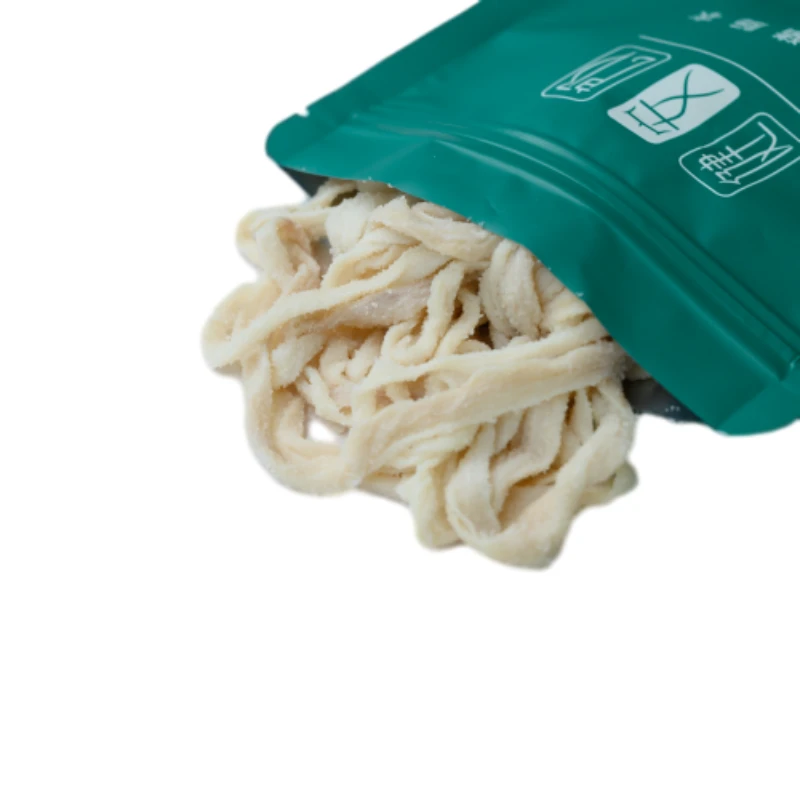
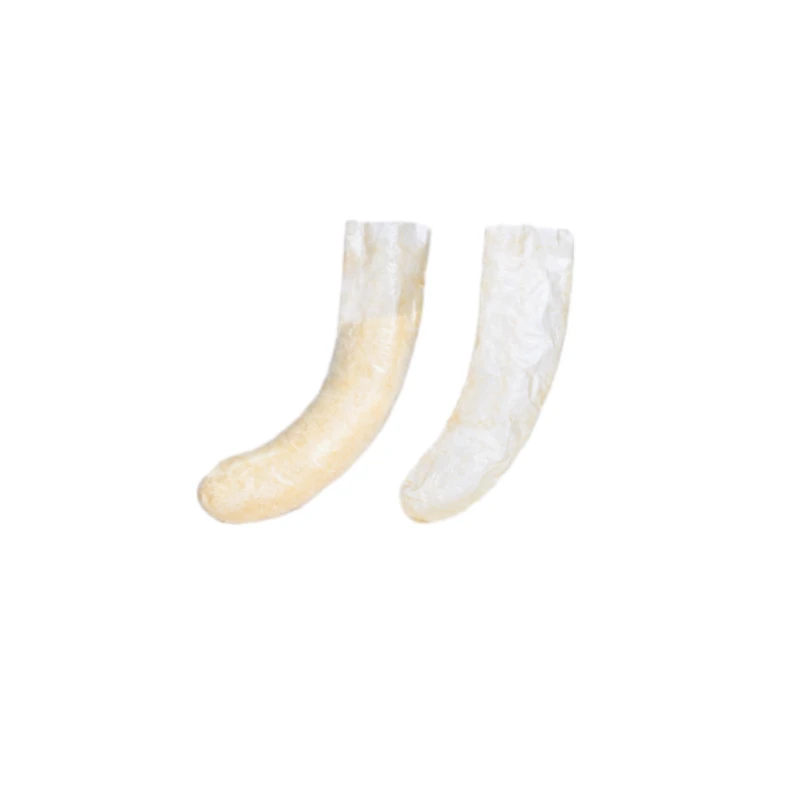
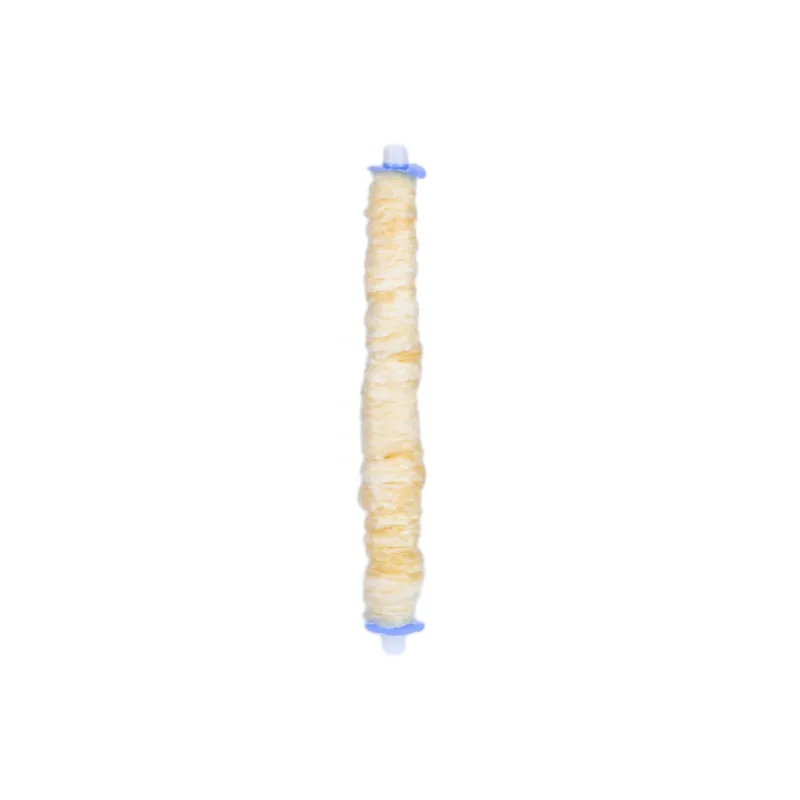
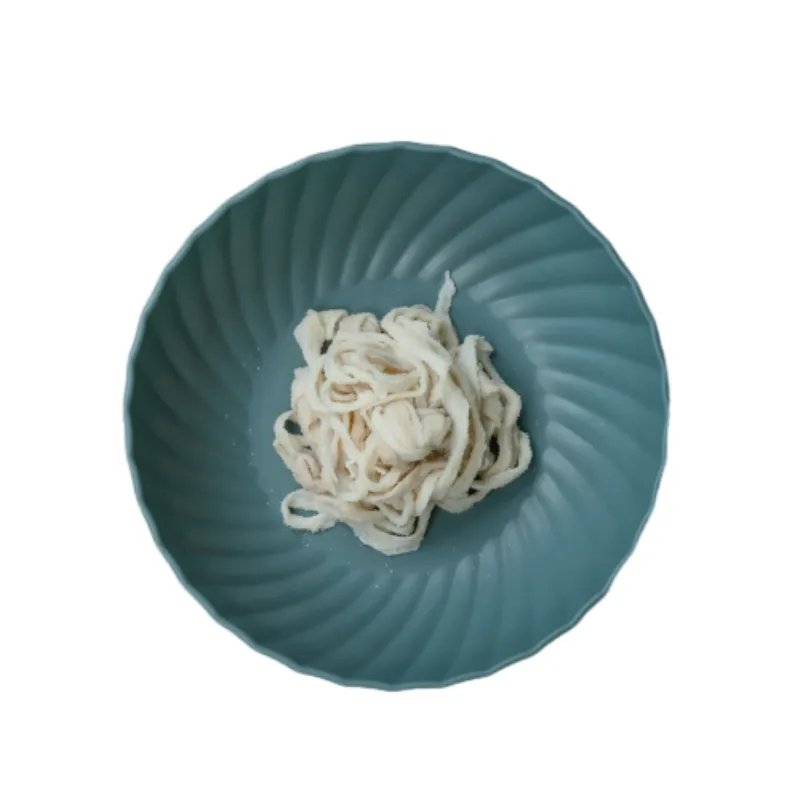
Simple enough: when you buy salted hog casing, you’re purchasing cleaned, prepared intestines from pigs, preserved by salting. This salting method helps extend shelf life and eases shipping — a process refined over centuries. Unlike fresh casings, salted casings don’t spoil during transit, allowing businesses across the globe to access quality casings year-round.
In modern terms, this purchase goes beyond sausages. It connects industrial food processing, culinary traditions, and increasingly, niche marketing for “natural” and “traditional” products. Moreover, humanitarian organizations sometimes use these casings innovatively, for example in certain biodegradable containment systems.
---
Core Components of Salted Hog Casing
1. Durability and Flexibility
Salted hog casings retain the thin, flexible structure of an intestine but are durable enough to be stuffed without tearing. This balance ensures that sausages don’t burst during cooking or storage — a major selling point.
2. Natural Edibility and Texture
Many food lovers swear by the “pop” natural casing delivers — a crisp snap when biting into a fresh sausage that synthetic casings rarely match. That texture stems from the natural collagen structure preserved through salting but requiring precise preparation.
3. Long Shelf Life
Salt curing stops bacterial growth, stabilizing the casing. Depending on storage (ideally cool, dry), salted hog casing can last months, which means suppliers and customers don’t have to stress about fresh casing spoilage.
4. Sustainability
Since these casings come from animals already slaughtered for meat, they represent a zero-waste approach, contrasting with plastic alternatives. The biodegradability factor also appeals to environmentally conscious meat producers.
5. Scalability
Buyers range from small-scale sausage artisans who order in small batches to industrial users requiring thousands of meters monthly. Salted casing’s ease of storage supports this scalability seamlessly.
---
Worldwide Use Cases for Salted Hog Casings
Salted hog casing finds its way into vastly different products and regions:
- Europe — Known for traditions like the German Bratwurst and Spanish Chorizo, where natural casing imparts authentic flavors.
- Asia — China’s massive sausage industry relies heavily on hog casings, especially in provinces where pork dominates diets.
- North America — Artisanal charcuterie makers and large-scale processors coexist, creating demand for casing quality and consistency.
- Disaster Relief and Humanitarian Use — Oddly enough, casings have been repurposed in biodegradable containment solutions, as they’re readily available and robust.
For example, a small Wisconsin-based sausage maker reported a 25% reduction in product returns after switching to premium salted hog casings, citing better durability and consumer satisfaction.
---
Mini Takeaway:
Salted hog casings live at the intersection of tradition, technology, and sustainability — making understanding their nuances crucial for global meat industries and craft producers alike.
---
Advantages & Long-Term Value of Choosing Salted Hog Casing
Why choose salted hog casing over synthetic counterparts? For one, it’s the sensory experience — sausage connoisseurs swear by the bite and aroma natural casings provide. Beyond taste, there are solid benefits:
- Cost Efficiency: Bulk salted casings often offer better value over time, especially with reduced wastage.
- Sustainable Choice: The biodegradable nature reduces long-term waste impact.
- Social Value: Using traditional casing keeps artisanal crafts alive, preserving local food heritage.
- Trust and Safety: Many suppliers adhere to strict hygiene standards; plus, salt acts as a natural preservative, safeguarding the product.
Frankly, for producers mindful of quality and environment, salted hog casing feels like the best compromise.
---
Product Specification Table
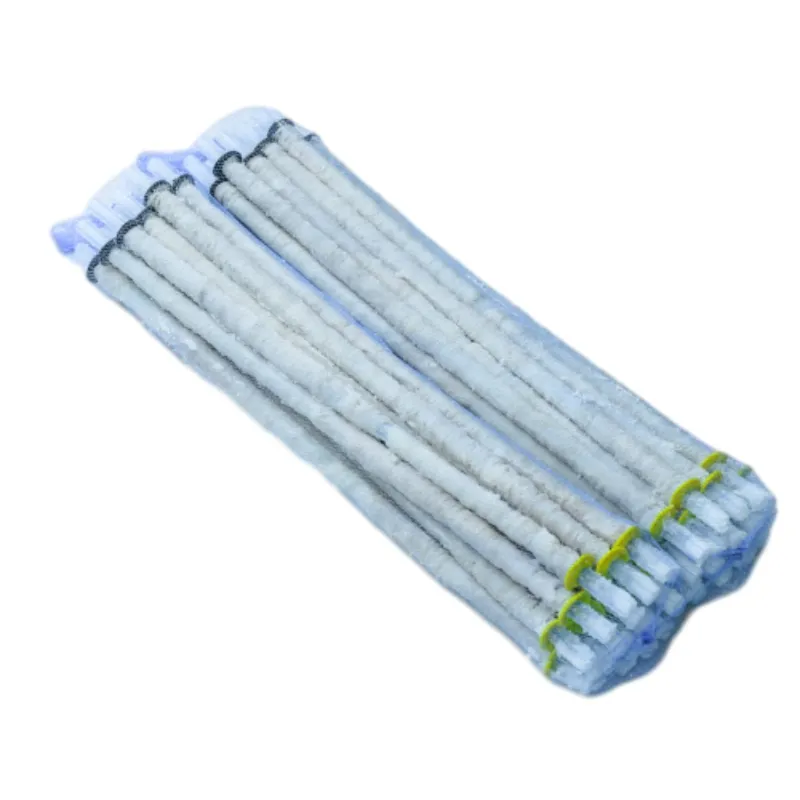
| Specification |
Details |
| Diameter Range |
18-28 mm (typical for hog casings) |
| Length per Bundle |
35-45 meters |
| Preservation Method |
Salt curing |
| Shelf Life |
Up to 12 months (cool, dry) |
| Packaging |
Bundles wrapped and boxed |
| Certification |
ISO 22000, USDA inspected |
---
Comparing Salted Hog Casing Vendors
| Vendor |
Origin |
Price per Bundle |
Lead Time |
Unique Selling Point |
| RTCasing Ltd. |
USA |
$35 |
5-7 days |
Premium quality, traceability certified |
| Natural Casings Co. |
Germany |
$38 |
7-10 days |
Traditional methods, European sourcing |
| EastAsia Casings |
China |
$27 |
10-14 days |
Competitive pricing, bulk shipping |
---
Future Trends Shaping the Salted Hog Casing Market
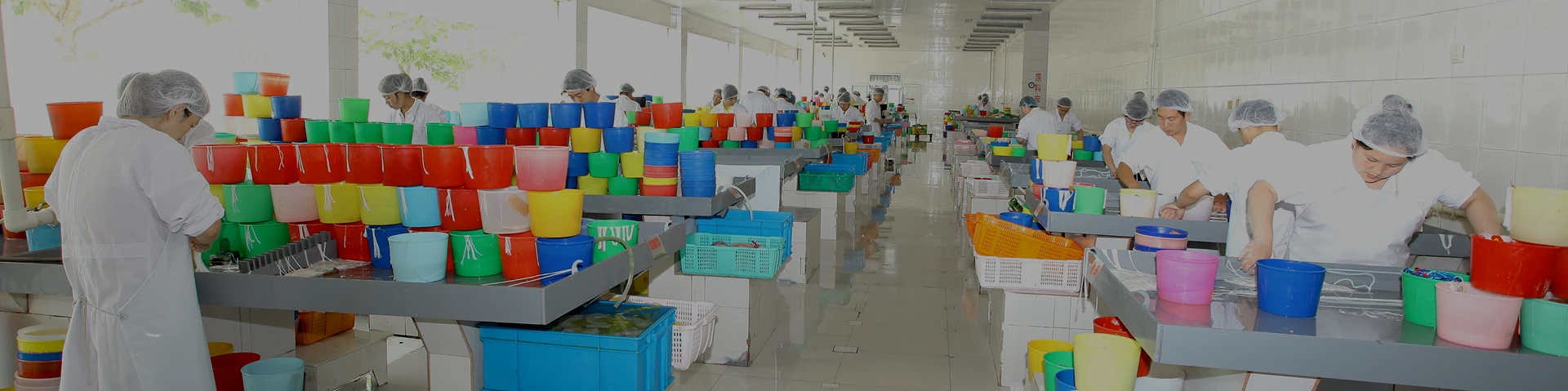
In real terms, this age-old product is evolving quietly. Advances in microbiological testing help suppliers guarantee safer, cleaner casings. Automation in cleaning and sorting reduces human error and improves consistency. New regulations are pushing producers toward even greener practices — for example, wastewater recycling during casing processing.
On the material side, research into collagen enhancement and perhaps hybrid natural-synthetic blends may give casings more durability without sacrificing natural qualities. Plus, digital supply chains make it easier for niche producers worldwide to “buy salted hog casing” at competitive rates with full traceability.
---
Challenges & Solutions
Of course, it’s not always smooth sailing. Variability in natural products, potential contamination, and regional outbreaks among hog populations can disrupt supply. Salted casings require proper hydration before use, sometimes frustrating newcomers without experience.
Experts recommend:
- Partnering with trusted vendors like those certified to ISO or USDA standards
- Employing batch testing on delivery
- Proper storage (cool, dry, away from strong odors)
- Training staff on soaking and handling to minimize breakage
Technology is also easing these challenges — apps for inventory management and supplier ratings help buyers make informed choices.
---
Frequently Asked Questions About Buying Salted Hog Casing
- Q: How long does salted hog casing last after purchase?
A: When stored in a cool, dry place, salted hog casing can last up to 12 months without losing quality. Proper sealing and humidity control are key.
- Q: Are salted hog casings safe and hygienic?
A: Yes, reputable suppliers follow strict hygiene protocols and use salt curing to prevent bacterial growth. Certifications like ISO 22000 ensure food safety standards are met.
- Q: Can I use salted hog casing for all types of sausages?
A: Generally, yes. However, the diameter and type of casing should match the sausage style. Hog casings are ideal for thinner or medium-sized sausages but not large ones like bratwurst.
- Q: How do I prepare salted hog casing before use?
A: Soaking in warm water for at least 30 minutes and rinsing removes excess salt and softens the casing, making it pliable for stuffing.
- Q: Where is the best place to buy salted hog casing online?
A: Vendors with certifications, traceability, and good customer reviews, like RTCasing Ltd., offer excellent quality and reliable shipping. Always check return policies and support.
---
Conclusion: Why Invest in Salted Hog Casings Now?
Salted hog casing, while rooted in ancient methods, remains essential today. It brings together durability, sustainability, and sensory experience in ways synthetic alternatives can’t fully replicate. As consumer awareness about ingredient quality and sustainability rises, so too does the value of natural casings.
If your business or craft demands sausages with authentic texture and reliable shelf life, now's a perfect moment to buy salted hog casing. Trust matters, along with knowledge — and I’d encourage you to explore trusted sources like
buy salted hog casing from them.
After all, the path to quality sausage often starts with one simple purchase.
---
Final Reflection:
It’s fascinating how something as humble as a salted hog casing straddles tradition and innovation. In a tech-heavy world, the food industry’s connection to natural materials reminds us that sometimes, old methods remain best. I suppose that’s why this product endures — it just works, and probably always will.
---
References
- Food and Agriculture Organization (FAO), Meat Market Reports, 2023
- ISO - Food Safety Management (ISO 22000)
- United States Department of Agriculture (USDA) – Meat Inspection Guidelines