Dec . 02, 2025 18:18
Why You Should Care About Buying Natural Hog Casings
If you’ve ever savored a perfectly crafted sausage, you’ve likely enjoyed natural hog casings without realizing it. But beyond that tasty connection lies an industry and global demand that’s more complex — and fascinating — than most imagine. Understanding how and why to buy natural hog casings touches on food heritage, safety, sustainability, and international trade. Natural hog casings are far more than sausage wrappings; they represent centuries of culinary tradition, evolving technology, and modern supply chain expertise. They also address key challenges in food manufacturing worldwide, like maintaining product quality, safe meat packaging, and even supporting small producers in remote areas. Whether you’re a seasoned butcher, a food technologist, or curious about global meat trade, this guide is for you. ---The Global Scene: Why Buying Natural Hog Casings Matters Today
Globally, demand for natural casings is on the rise, driven by increasing meat consumption in Asia and growing artisan food markets in Europe and North America. According to the Food and Agriculture Organization (FAO), global meat production reached 340 million tonnes in 2022, and a sizable slice depends on natural casings for authentic products like sausages and salamis. The International Organization for Standardization (ISO) also highlights stringent quality standards around casing hygiene and durability — which makes sourcing reliable casings more critical than ever. Yet, the natural casing supply chain faces challenges: seasonal shortages, ethical sourcing concerns, and competition from synthetic alternatives. Buying natural hog casings, therefore, is a nuanced decision balancing authenticity, cost, and availability. ---What Does It Actually Mean to Buy Natural Hog Casings?
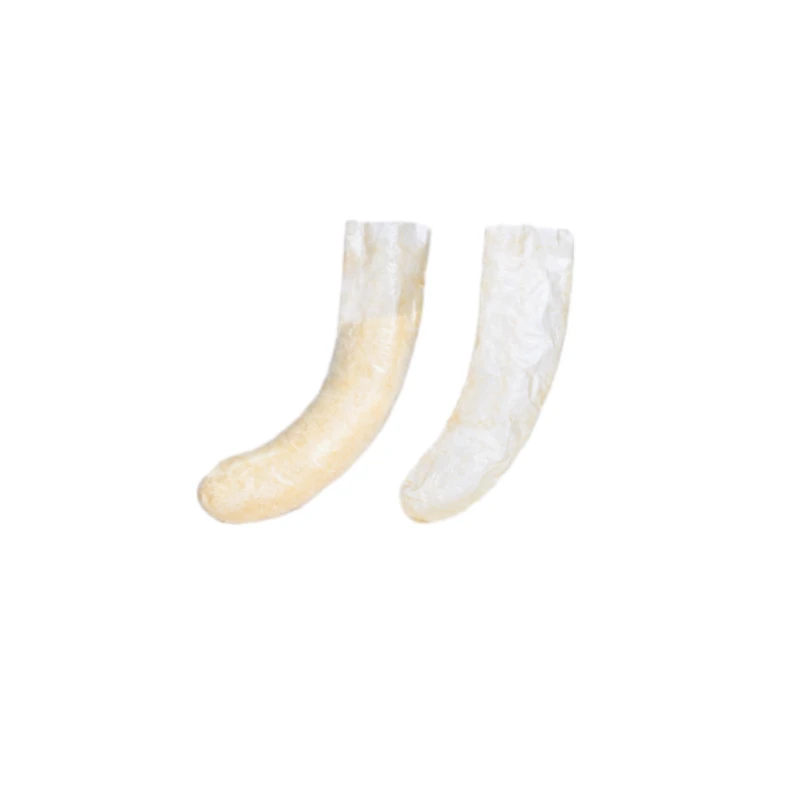
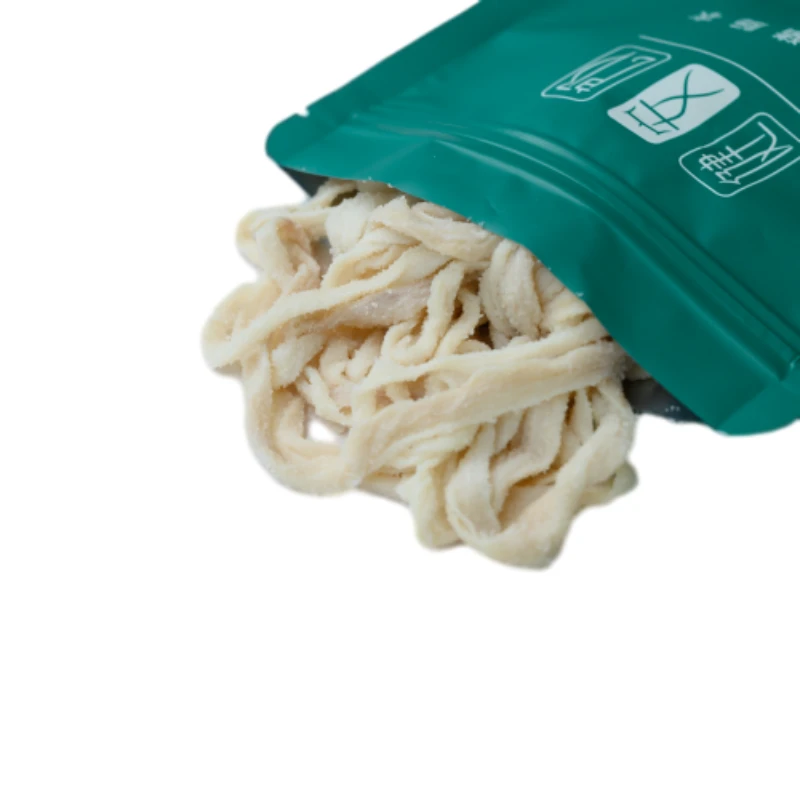
Simply put, natural hog casings come from the cleaned intestines of pigs, processed to serve as edible sausage casings. They’re prized for their unique texture, breathability, and the way they interact with seasonings and smoke during cooking. Importantly, purchasing them isn’t just about grabbing a product off a shelf; it involves understanding grades, sizing, preservation (salted vs. fresh), and sourcing transparency. In modern industry terms, buy natural hog casings means sourcing a product rooted in traditional animal husbandry practices, yet processed with modern food safety techniques. They bridge heritage and technology, supporting both large-scale meat manufacturing and small-batch artisanal producers alike. ---Key Factors When You Buy Natural Hog Casings
1. Quality & Durability
Quality controls the final sausage. Superior natural casings allow smoke to penetrate and maintain snap after cooking. Durability ensures they don’t tear during stuffing or cooking, which is crucial for efficiency and customer satisfaction.2. Size & Uniformity
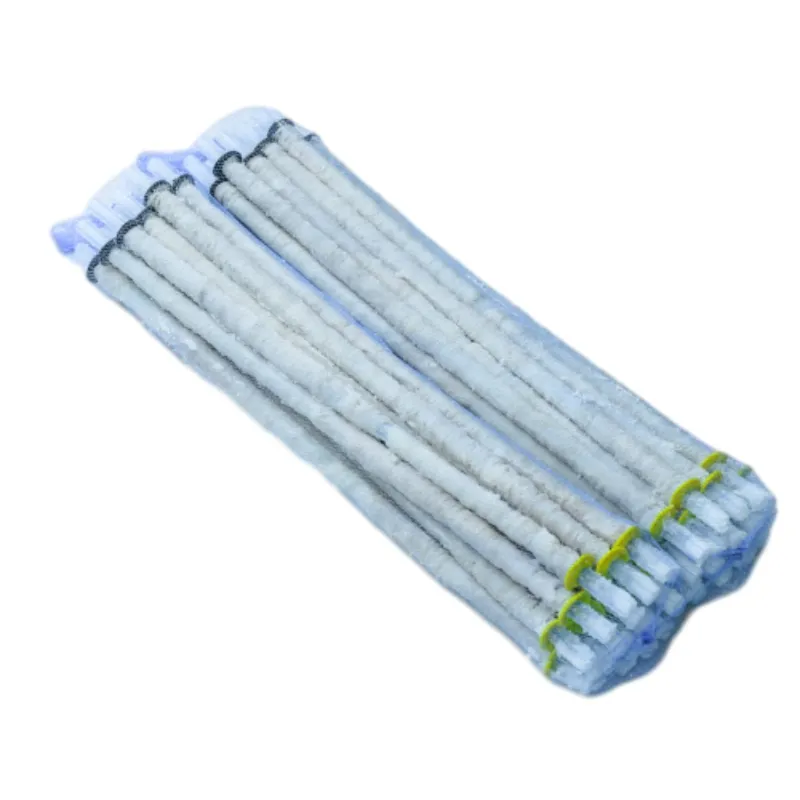
Casings come in various diameters (usually 16-28 mm for hog casings) suited for different sausage types. Uniform size helps standardize production, saving time and reducing waste.3. Preservation Method
Salted hog casings are common for long storage, while fresh casings require refrigeration and quick use but offer vibrant texture. Deciding which to buy depends on your supply chain and usage rhythm.4. Ethical & Sustainable Sourcing
Increasingly, buyers demand transparency about animal welfare, environmental impact, and traceability. Ethical sourcing is becoming a selling point in the industry.5. Cost Efficiency
While natural casings tend to cost more than synthetic alternatives, their premium attributes often justify the expense in quality-focused products. ---How Natural Hog Casings Are Used Around the World
From European charcuterie houses to family-run sausage stands in Southeast Asia, natural hog casings enjoy broad use. - In Germany and Italy, renowned for their sausages, natural hog casings are linked to Protected Geographical Indication products that assure quality and tradition. - In the U.S., artisan sausage makers prize natural casings for traditional bratwurst and kielbasa. - In countries like China, rising pork consumption has fueled local demand for casings in both industrial and artisanal settings. Oddly enough, even humanitarian projects sometimes rely on natural casings when distributing protein-rich food in disaster zones where shelf life and nutrition matter. This illustrates the unexpected but significant role casings play beyond just kitchens. ---Table: Natural Hog Casings Product Specification Overview
| Feature | Typical Range | Notes |
|---|---|---|
| Diameter | 16–28 mm | Varies by product type |
| Length per bundle | 50–150 m | Important for batch size |
| Preservation | Salted or fresh | Salted preferred for longer storage |
| Moisture Content | Approx. 70% | Affects flexibility |
| Packaging | Vacuum-sealed or barrel | Depends on supplier |
Comparing Top Vendors for Natural Hog Casings
| Vendor | Price Range (per kg) | Quality Certification | Lead Time | Sustainability Initiatives |
|---|---|---|---|---|
| RT Casing Co. | $12–15 | ISO 22000, HACCP | 7–10 days | Animal Welfare & Traceability |
| NaturalGut Ltd. | $13–16 | BRC, FDA Compliant | 5–8 days | Sustainable Sourcing Program |
| EcoCasing Solutions | $11–14 | ISO 9001, Organic Certified | 10–14 days | Organic & Chemical-Free |
Advantages & Long-Term Value of Choosing Natural Hog Casings
Opting to buy natural hog casings isn’t just about authenticity — it’s also about investing in quality and sustainability that pays off over time. Natural casings provide features synthetic alternatives often lack: an authentic snap and texture, improved flavor absorption, and biodegradability. Many producers find consumer trust and brand value grows when they emphasize natural ingredients. On top of that, natural hog casings contribute to circular economy models by wisely utilizing parts of the animal that might otherwise go to waste. This supports sustainable meat production, which frankly feels more responsible — and it resonates with today’s socially conscious consumers. ---New Trends & Innovations Shaping This Sector
Looking ahead, there’s growing investment into improving casing processing methods to reduce water and salt usage, aligning with environmental goals. Biotechnology research is exploring probiotic treatments for casings to extend shelf life naturally. Automation in casing sorting and packing is reducing labor costs while increasing throughput. Additionally, digitization means tracking each batch with blockchain technology is becoming more common, offering full traceability from farm to sausage. This helps meet those security and ethical sourcing demands that customers increasingly expect. ---Facing the Challenges: Supply, Costs, and Standards
Still, buying natural hog casings has its hurdles. Fluctuating supply due to livestock diseases or seasonal pig production can cause shortages and price spikes. Plus, maintaining consistent hygiene and quality standards across global suppliers remains tricky. Innovative approaches include supplier partnerships for stable sourcing, certification programs to guarantee quality, and hybrid casing solutions that combine natural and synthetic materials for durability without losing authenticity. ---FAQs About Buying Natural Hog Casings
Q1: How do I know if natural hog casings are the right choice for my sausage production?A: If you want authentic texture and taste, plus a product that breathes well during smoking, natural casings are typically preferred. They’re ideal for traditional or high-quality products but require proper storage and handling. Q2: What is the shelf life of salted natural hog casings?
A: When properly salted and stored in a cool, dry place, natural hog casings can last up to a year. Fresh casings, by comparison, usually need use within 7 days refrigerated. Q3: Can I buy natural hog casings online and have them shipped internationally?
A: Yes, many suppliers offer international shipping, but it’s important to select vendors with proper certifications and compliance with import/export regulations for meat products. Q4: Are natural hog casings better for sustainability than synthetic alternatives?
A: Generally, yes. Natural casings are biodegradable and use animal by-products, reducing waste. Synthetic casings rely on plastics and chemicals, which impact the environment differently. ---
Wrapping Up: Why Buying Natural Hog Casings Makes Sense
In a nutshell, buying natural hog casings blends tradition, quality, and sustainability in a way few other food ingredients can match. Whether you’re scaling production or hand-crafting artisanal treats, their unique benefits are worth the effort and investment. If you’re ready to explore premium natural hog casings that meet modern industry demands, visit our website and discover a trusted supplier committed to quality and ethical sourcing. ---Mini Takeaway
Natural hog casings combine centuries-old tradition with modern food safety and sustainability needs — making them an essential ingredient for authentic sausage crafting worldwide.References
- Food and Agriculture Organization - Meat Production Statistics, 2022
- International Organization for Standardization (ISO) - Food Safety Standards
- Wikipedia - Natural casing (Sausage)