Dec . 02, 2025 20:36
Understanding Why People Choose to Buy Dried Hog Casings Worldwide
At first glance, "buy dried hog casings" might sound oddly specific or niche — and maybe a bit old-fashioned. But if you’re in the food industry, commercial sausage production, or even traditional culinary crafts, these dried natural casings are vital. Globally, they’ve been trusted for centuries as the perfect enclosure for sausages of all kinds, prized for their strength, natural permeability, and distinct texture that synthetic alternatives simply can’t replicate. With the increasing demand for authentic and sustainable food products, understanding how and why to buy dried hog casings unlocks a surprisingly global supply chain, technical insight, and an appreciation for age-old craftsmanship relevant even today.
Why does this matter beyond the kitchen? On a broader scale, sourcing quality dried hog casings involves agricultural practices, international trade, and food safety regulations that touch on global economics. Countries with robust pork industries often export large quantities of these casings, impacting local economies and providing jobs in processing and shipping. For producers and consumers alike, it’s a small ingredient with big implications — from assuring product authenticity to supporting sustainable agriculture.
Mini takeaway: Buying dried hog casings is not just about wrapping sausages; it's about connecting culinary tradition with global trade, sustainability, and today’s food industry standards.
Global Context: Why Buying Dried Hog Casings Matters Today
It might surprise some, but dried hog casings are a globally traded commodity. According to data from the Food and Agriculture Organization of the UN, over 100,000 tonnes of natural casings are produced yearly worldwide, with hog casings representing a significant portion. Countries like China, Denmark, the USA, and Spain dominate the pork market and consequently the casing export markets.
However, challenges lurk. The rising demand for all-natural and organic food has ramped up competition for high-quality natural casings, but sanitation and preservation pose hurdles. Dried casings last longer, and buying them avoids spoilage issues seen with fresh or wet casings, yet processing and certification standards vary by country. This has implications for manufacturers seeking consistent quality and for importers navigating international quality assurance norms (often guided by ISO food safety standards).
Moreover, consumer preferences for artisanal and traditionally made sausages in Europe and North America further fuel demand. This has led some producers to look for reliable suppliers where dried hog casings can be ordered in bulk or smaller batches with consistent quality and traceability.
Mini takeaway: Understanding global pork industry trends and quality control measures is crucial when deciding to buy dried hog casings in today’s interconnected food market.
What Exactly Does It Mean to Buy Dried Hog Casings?
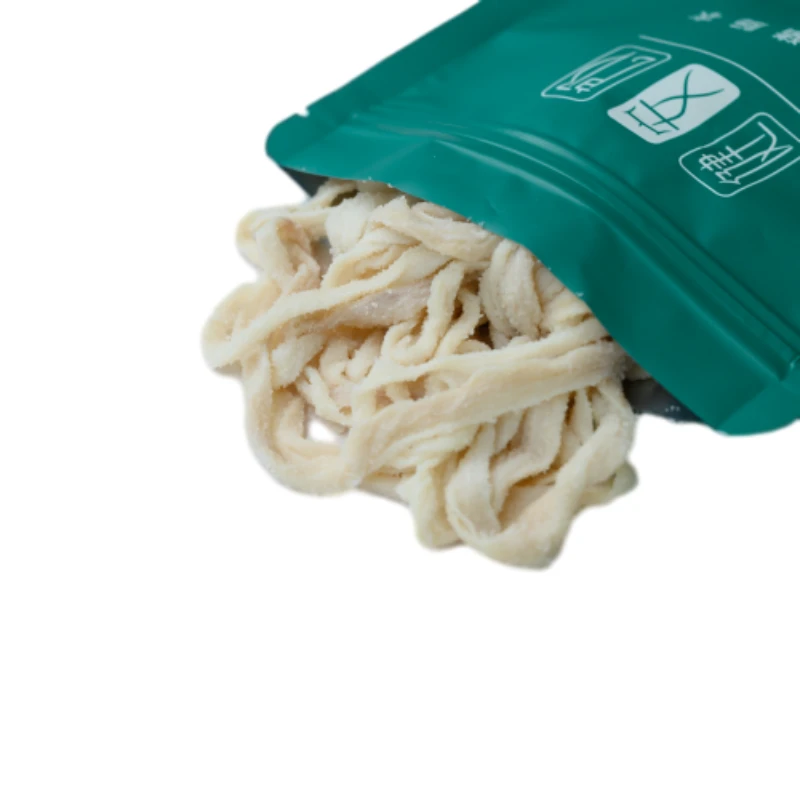
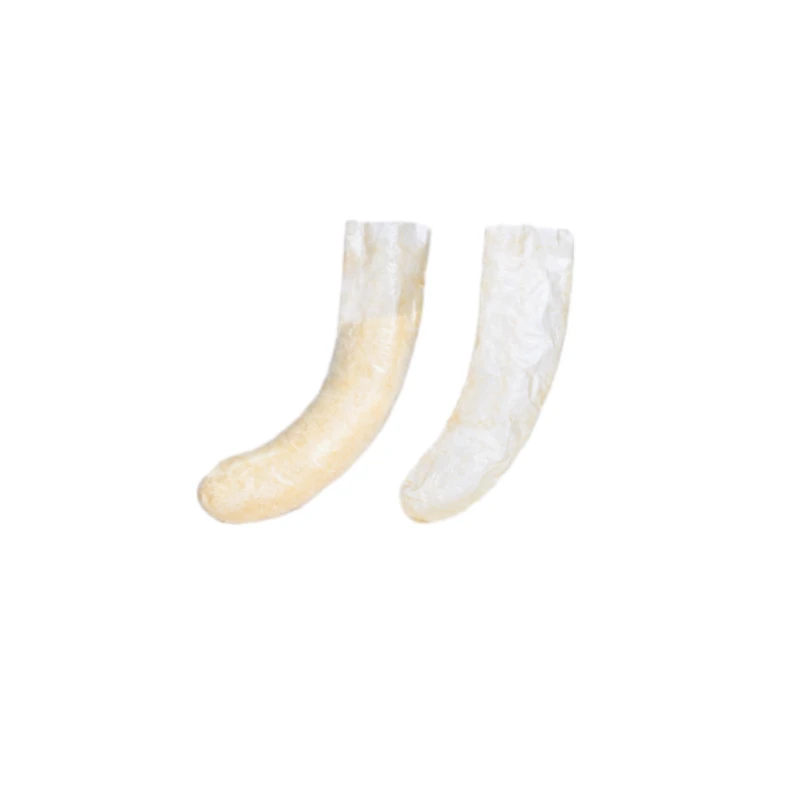
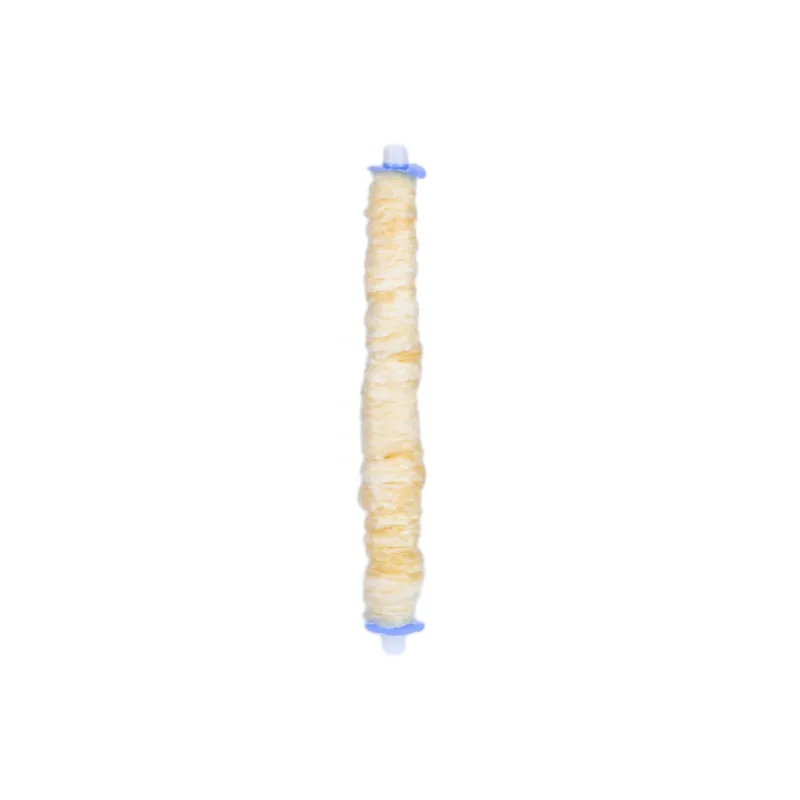
Simply put, dried hog casings are the intestines of pigs that have been thoroughly cleaned, preserved through drying, and packaged for use as sausage casings. Buying dried hog casings means sourcing a product that's ready for long-term storage and eventual rehydration for stuffing with meat mixes.
The drying process removes moisture, extending shelf life well beyond that of fresh or salted casings. This makes them incredibly practical for small-scale butchers or large industrial users alike. Their natural collagen structure provides superior elasticity and strength compared to synthetic alternatives, enabling sausages to retain shape while allowing smoke and moisture to penetrate during curing.
In humanitarian terms, natural casings also relate to food security efforts in many regions where locally available livestock products can be turned into value-added items — contributing to nutrition diversity and income.
Mini takeaway: To buy dried hog casings is to purchase a durable, natural sausage enclosure ready for flexible, long-term use in culinary and commercial settings.
Key Aspects to Consider When Buying Dried Hog Casings
1. Quality and Purity
Quality is everything. High-grade dried hog casings come cleaned to remove fats and odors and must meet hygiene standards aligned with food safety agencies. Impurities or inconsistent processing can hurt the final product.
2. Durability and Elasticity
While dried, the casing must rehydrate well without becoming brittle or too weak. The strength impacts stuffing ease and the sausage’s texture after cooking or curing.
3. Size and Length Variability
Casings come in various diameters, usually measured in millimeters, suitable for different sausage types — from thin breakfast links to thick summer sausages.
4. Packaging and Storage
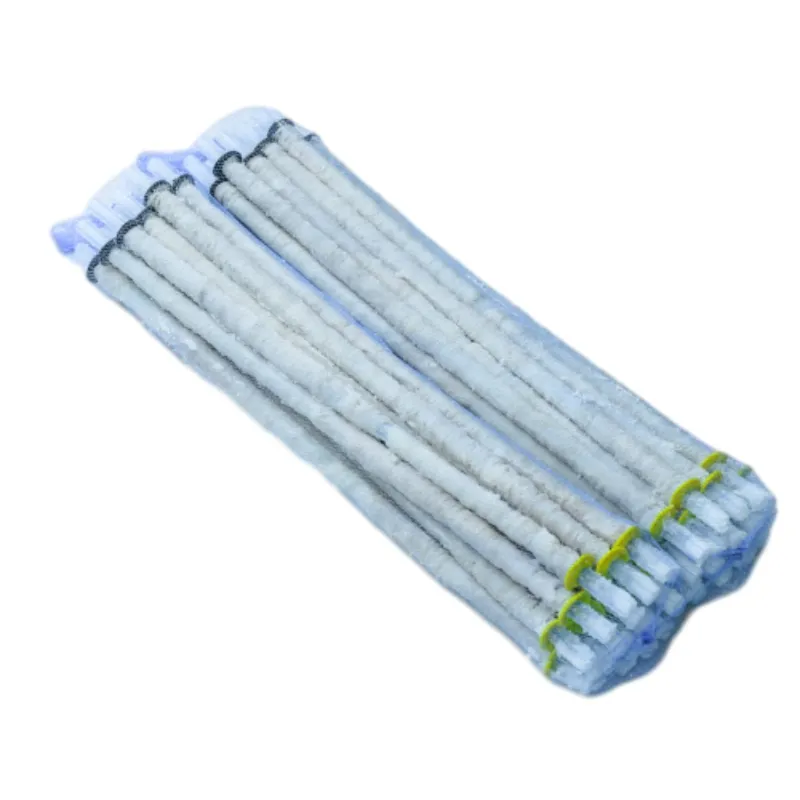
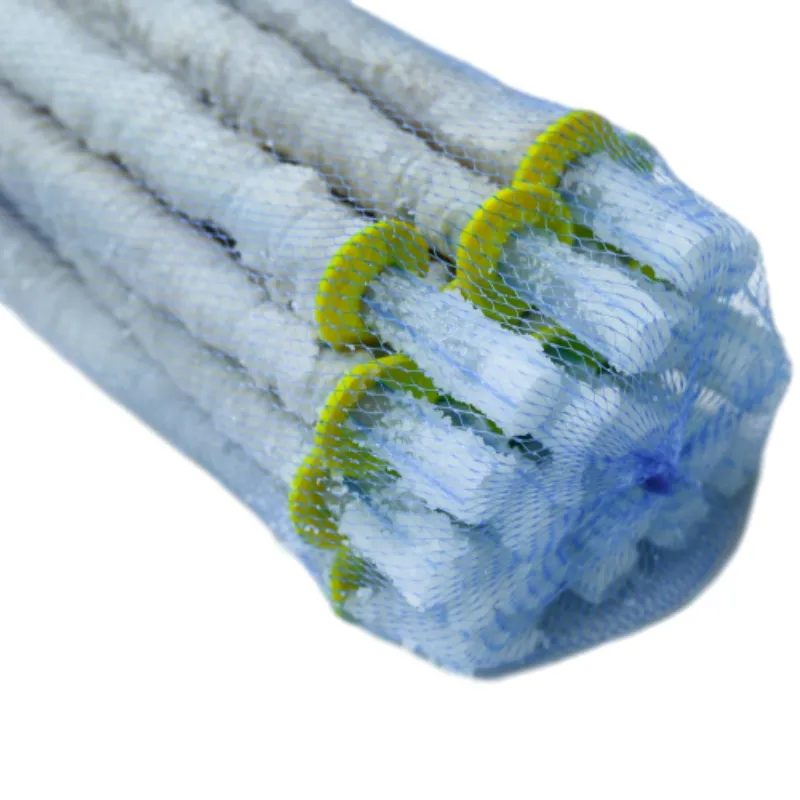
Proper packaging ensures casings remain dry and hygienic through transit and storage. Vacuum-sealed or breathable packaging can be found depending on supplier expertise.
5. Certification and Traceability
Given food safety complexities, certifications (e.g., HACCP, ISO 22000) assure buyers of origin, processing standards, and compliance with international norms.
6. Price and Supply Stability
Fluctuations in pork production, geopolitical factors, and seasonal availability influence pricing. Reliable suppliers balance cost and consistent stock.
| Specification | Typical Range | Notes |
|---|---|---|
| Diameter | 18–32 mm | Matches sausage varieties from small links to salamis |
| Length per bundle | 50–120 meters | Varies by vendor packaging |
| Moisture content | Ensures long shelf life | |
| Shelf life | 12+ months (if stored cool and dry) | Dried casings outlast fresh alternatives significantly |
How Dried Hog Casings Are Used Across the Globe
From artisan charcuterie shops in Italy to large-scale sausage plants in the USA, dried hog casings are everywhere. In Asia, especially China and Korea, homemade and commercial sausages rely heavily on these natural casings for their unique cooking qualities. In Europe, traditional regions like Spain and Germany see dried hog casings as critical to preserving culinary heritage.
Oddly enough, they also find niche uses outside the kitchen. For example, some research labs use collagen casings in experimental biomaterials, though that's quite specialized.
In remote or developing areas, dried casings help local farmers add value to their pork products, creating income streams that support rural livelihoods. NGOs focused on food security sometimes promote natural casing usage to encourage local entrepreneurship.
Mini takeaway: Whether for gourmet food or socioeconomic development, dried hog casings serve a variety of global roles beyond simple sausage wrapping.
Advantages of Using Dried Hog Casings
- Sustainability: Natural, biodegradable, and derived from by-products of the pork industry, reducing waste.
- Authenticity and Flavor: Allowing natural smoke permeation and cooking characteristics that synthetics can’t match.
- Storage and Transportability: The dried form offers long shelf life and ease of shipping worldwide.
- Consumer Trust: Especially as many consumers prefer natural ingredients in their food.
- Economic Value: Supporting farming communities and traditional processing industries.
In real terms, when you choose dried hog casings, you get that unique balance of tradition, practicality, and sustainability that synthetic casings just aren’t quite able to offer in the long run.
Emerging Trends and Innovations in Natural Casings
Digital tracking is growing in the industry — some suppliers now embed QR codes to inform buyers about batch origin, processing, and handling. Green energy is starting to power casing preparation plants, reducing carbon footprints. Some companies experiment with hybrid casings, mixing natural and plant-based components to meet evolving consumer trends.
Automation in sorting and grading dried casings is also improving consistency, a longtime pain point for users. And naturally, quality certification is getting more robust with evolving international standards helping buyers feel confident about the product they purchase.
Challenges in the Market and How to Navigate Them
Fluctuating pork prices, occasional supply shortages, and stringent import regulations can make sourcing dried hog casings tricky. Plus, some buyers struggle with inconsistent sizing or processing quality, leading to sausage defects.
Experts often recommend diversifying suppliers — checking for certifications and requesting samples — before larger purchases. Advanced drying techniques and better cold chain logistics are helping mitigate spoilage risks. And educational efforts around handling dried casings improve user experience.
| Supplier | Certification | Price Range (per bundle) | Supply Stability | Customer Support |
|---|---|---|---|---|
| PorkWrap Inc. | HACCP, ISO 22000 | $50–$70 | High | 24/7 Live Chat |
| Natural Casings Co. | ISO 22000 | $45–$65 | Medium | Email Support |
| Castilla Casings | HACCP | $55–$75 | Low (seasonal) | Phone Only |
Frequently Asked Questions About Buying Dried Hog Casings
Q1: How long can dried hog casings be stored before use?
A: When stored properly in a cool, dry place, dried hog casings can last 12 months or longer. Avoid humidity and extreme temperatures to prevent brittleness or mold.
Q2: Can dried hog casings be used interchangeably with fresh casings?
A: Yes, dried casings are rehydrated before stuffing and perform similarly to fresh casings. Many professionals prefer dried for longer shelf life and convenience.
Q3: Are there alternatives to hog casings for sausage production?
A: Synthetic casings exist, made from collagen or cellulose, but many purists or specialty producers prefer natural hog casings for texture, flavor, and traditional qualities.
Q4: How do I ensure the dried hog casings I buy meet food safety standards?
A: Choose suppliers certified by recognized bodies like HACCP or ISO 22000. Ask for batch traceability and detailed product testing results.
Q5: Is it possible to buy small quantities of dried hog casings for artisanal use?
A: Absolutely. Many vendors offer bundles or partial rolls to accommodate small-scale producers or hobbyists.
In Closing: Your Next Steps for Buying Dried Hog Casings
Whether you’re crafting the perfect bratwurst, scaling up production, or adding authentic casings to your offerings, understanding how to buy dried hog casings pays dividends — not only in product quality but in supply reliability and sustainability. It’s an investment in tradition and future-ready production.
Ready to source your dried hog casings today? Check out trusted suppliers and detailed product options at buy dried hog casings. It’s your first step toward blending heritage with modern convenience.
Thanks for reading — and if you want to geek out on food science or meat processing next, you know where to find me.
References: