Dec . 02, 2025 18:30
Unlocking the Potential of Natural Hog Casings Service: What Every Food Producer Should Know
Natural hog casings service might sound like one of those niche terms tossed around in sausage factories and gourmet butchery shops, but their role stretches far beyond the kitchen walls — touching on global trade, food security, and artisanal traditions worldwide. Understanding this service holds value for meat processors, restaurateurs, and marketers alike, because, frankly, it’s a cornerstone of quality and authenticity in cured meats. The benefits? Enhanced product texture, natural appeal, and sustainability — all wrapped snugly in a familiar, edible package.
Why Does Natural Hog Casings Service Matter Globally?
Globally, the demand for authentic, high-quality sausages and cured meats continues to rise, fueled by cultural culinary traditions and international gourmet markets. According to a 2023 World Bank report, pork production exceeds 120 million tons annually, with a significant portion destined for processed products. In many regions, especially Europe and East Asia, natural hog casings remain the industry standard because of their superior quality and consumer preference.
However, here’s a challenge: sourcing, processing, and delivering natural hog casings at scale while maintaining food safety and traceability is complex. It’s not just a matter of packaging meat; it’s about a delicate supply chain involving everything from sustainable livestock farming to hygienic processing. Natural hog casings service addresses this by combining expertise in handling, quality assurance, and logistics — resolving issues that could otherwise cause delays, spoilage, or quality dips.
Mini takeaway: Natural hog casings service isn’t just a supply job; it’s a vital link in a global chain that ensures meat products meet consumer expectations for taste, texture, and safety.
What Exactly Is Natural Hog Casings Service?
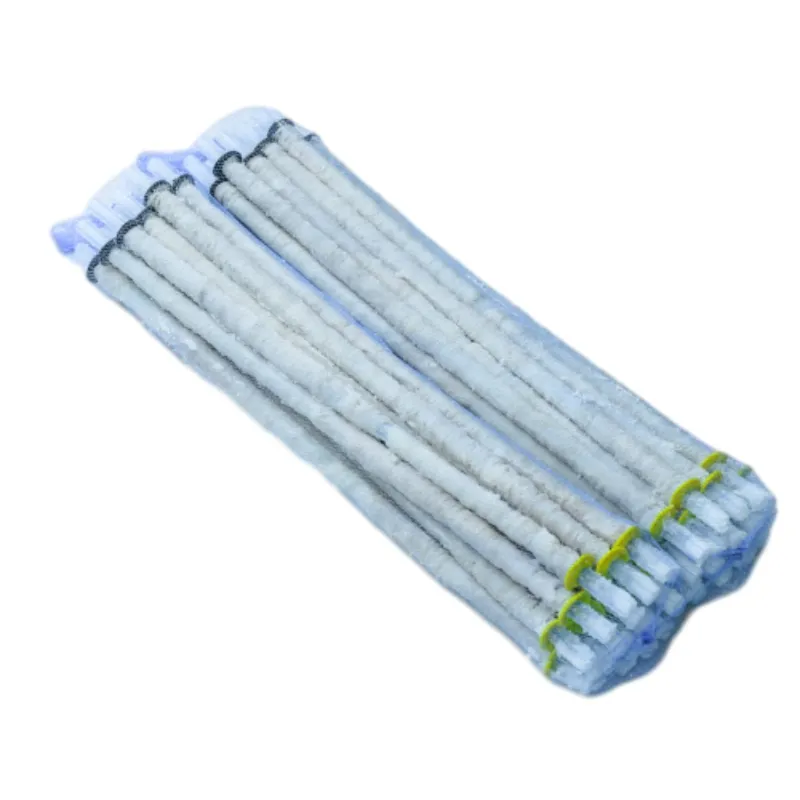
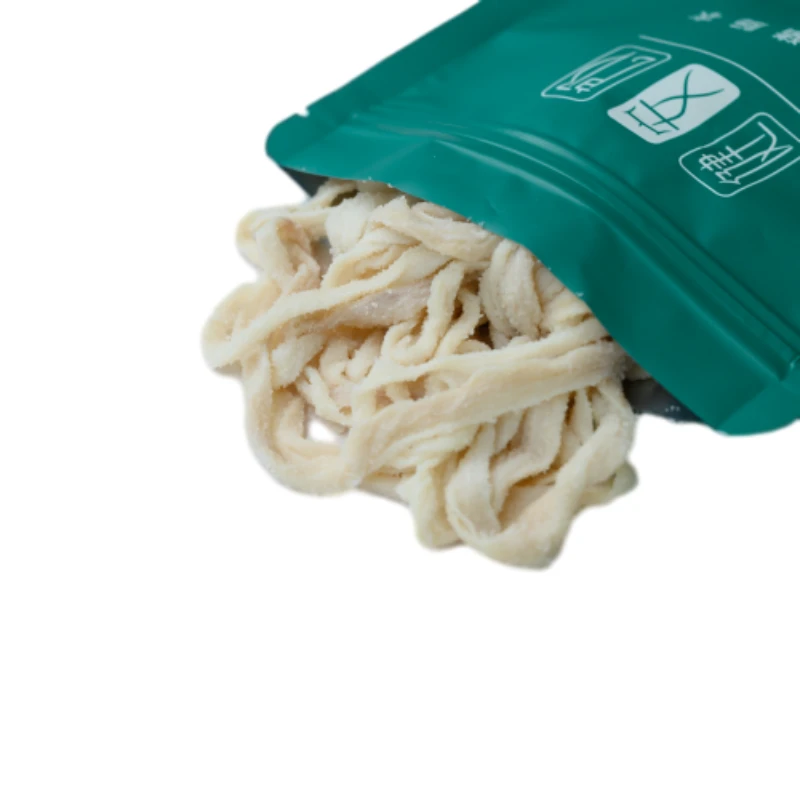
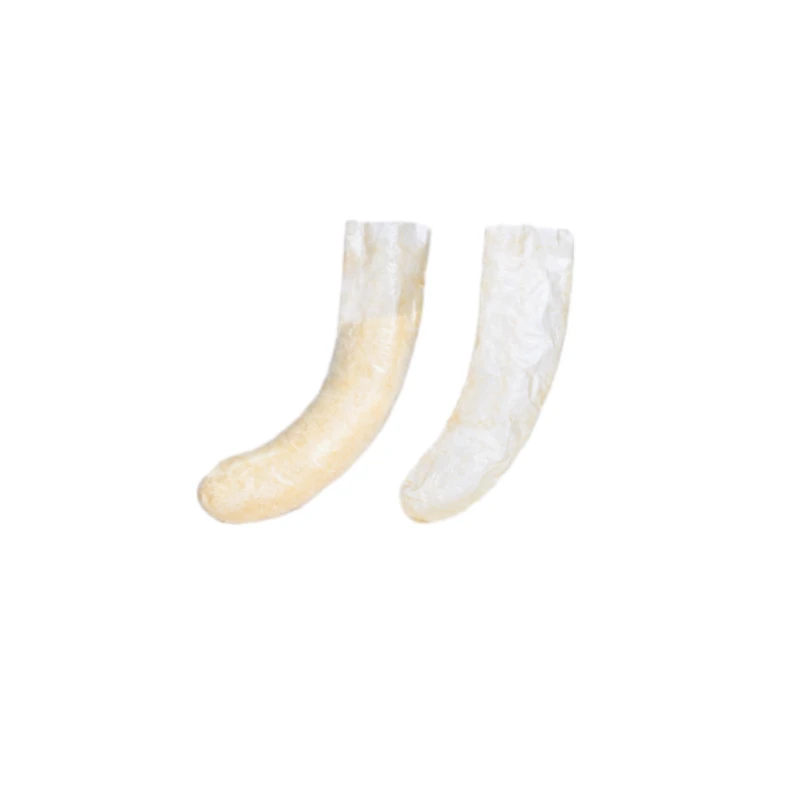
Simply put, natural hog casings service refers to the specialized process of cleaning, preparing, packaging, and distributing intestines of hogs that are used as the outer “skin” for sausages and related products. Unlike synthetic casings made from cellulose or collagen, these casings come directly from animal intestines, offering unparalleled elasticity, flavor absorption, and bite.
But it’s not just a “butchering” concern. This service intersects with modern industrial food processing, exporting, and even humanitarian efforts where preserving food authenticity is essential. For example, in communities relying on traditional meat production, natural casings help maintain cultural identity while enabling producers to reach wider markets.
Mini takeaway: Think of natural hog casings service as the expert middleman who ensures natural ingredients arrive ready for use — clean, safe, and consistent.
Key Ingredients of a Quality Natural Hog Casings Service
1. Processing Hygiene
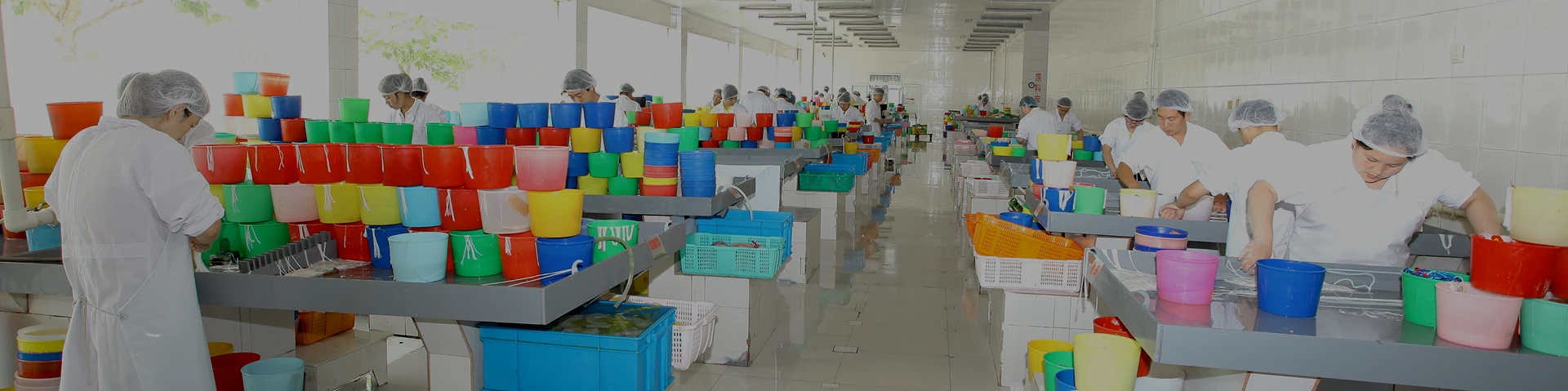
Maintaining strict sanitary conditions during cleaning and storage of hog casings is non-negotiable. It protects against bacterial contamination and extends shelf life. Many service providers employ modern sterilization methods, balancing tradition with tech.
2. Quality Assurance
Testing for thickness, strength, and flexibility ensures every batch meets sausage makers' demands. Good providers use calibrated measuring tools and often have certifications aligned with ISO food safety standards.
3. Logistics and Cold Chain Management
Natural casings are perishable goods that require a reliable cold chain. Delays or mishandling can result in spoilage. Sophisticated logistics networks and temperature-controlled storage are vital components.
4. Scalability and Supply Flexibility
Whether you’re a small artisanal producer or a large-scale processor, the service should adapt to varying volumes and casing sizes. Offering natural hog casings of different calibers (diameters) supports diverse product lines.
5. Traceability and Certification
Transparency in sourcing is increasingly important. Consumers and regulators expect to know the origin of meat inputs. Services providing full traceability and certifications (e.g., Halal, Kosher) offer a competitive advantage.
6. Customer Support & Technical Advice
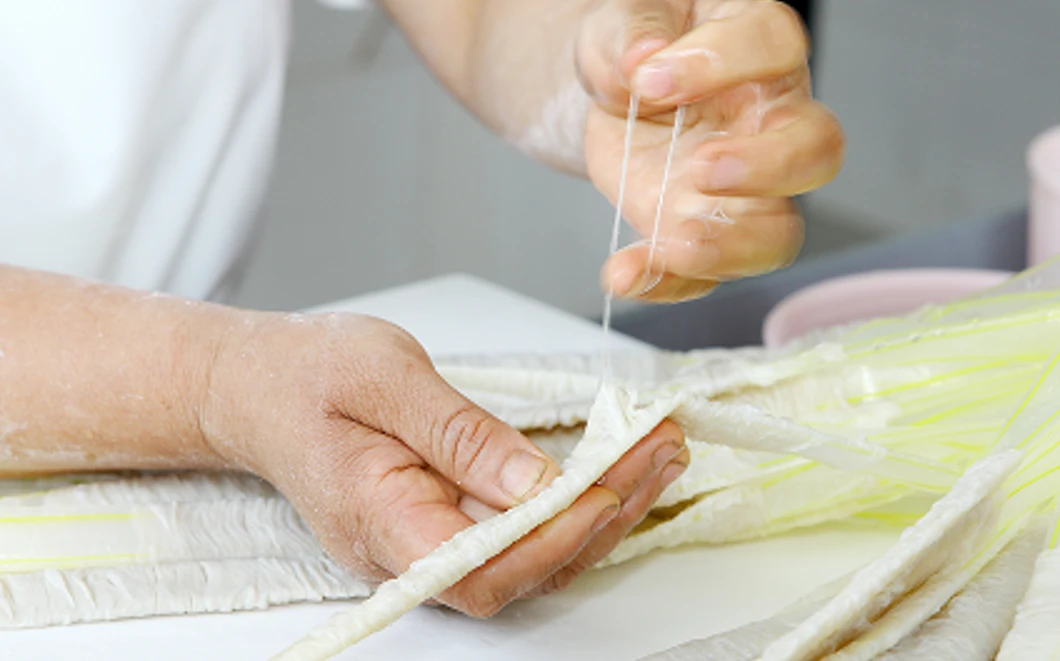
Because natural casings can be tricky to handle, value-added services sometimes include advice on storage, preparation, and troubleshooting — fostering lasting partnerships rather than simple transactions.
Mini takeaway: It’s the cumulative strength of these factors that distinguishes a run-of-the-mill supplier from a top-tier natural hog casings service provider.
How Are Natural Hog Casings Used Around the World?
Natural hog casings have a global footprint but are especially prevalent in Europe (Germany, Italy, Spain), East Asia (China, Korea, Japan), and parts of the Americas. Here are some notable applications:
- Gourmet Sausage Making: From bratwurst in Germany to Italian salami, natural casings remain the preferred choice.
- Export Markets: Many producers in the U.S. and Canada use natural casings to meet international export standards and consumer expectations.
- Food Aid in Crisis Zones: Oddly enough, some humanitarian organizations use naturally encased sausages as a shelf-stable, protein-rich food source that supports local economies.
- Restaurant and Artisan Producers: Chefs who craft house-made sausages often demand natural casings for texture and authenticity.
In remote industrial zones or indigenous communities, natural hog casings services bridge supply gaps and provide critical links to quality ingredients.
Mini takeaway: The versatility and tradition embedded in natural hog casings mean they’re not going away anytime soon, no matter the market.
Advantages & Long-Term Value of Choosing Natural Hog Casings Service
Many sausage makers say nothing beats the natural snap and mouthfeel of genuine hog casings. Apart from sensory quality, here’s what else they often cite:
- Sustainability: As natural by-products of pork processing, these casings reduce waste and carbon footprint compared to synthetic alternatives.
- Cost Efficiency: While sometimes pricier upfront, the improved yield and consumer preference often justify the investment.
- Product Authenticity & Market Trust: Offering products with natural casings builds brand equity and appeals to food-savvy consumers.
- Reliability: A dedicated natural hog casings service ensures steady supply with consistent quality, minimizing production hiccups.
- Safety and Compliance: Certified services align with international food safety standards, reducing business risk.
There’s also this emotional side: the pride of crafting something real and traditional, the trust customers place in genuine quality, and the innovation that keeps these centuries-old practices relevant.
Looking Ahead: Future Trends in Natural Hog Casings Service
Innovation isn’t about replacing natural casings but enhancing their supply chains. Upcoming trends include:
- Digital Traceability: Blockchain and IoT are helping track origins, increasing transparency and consumer confidence.
- Automation in Processing: New machinery improves cleaning efficiency without compromising quality.
- Sustainability Initiatives: Enhanced waste management and energy use reduction within casing processing plants.
- Customization Technologies: Precision cutting and sizing allow producers to request exact calibers quickly.
Eventually, a fusion of tradition with tech could make natural hog casings services more efficient and broadly accessible.
Addressing Challenges: What Holds Back Natural Hog Casings Service?
Perishability remains a core hurdle — these casings need cold storage from start to finish, which can become costly or fail in less developed regions. Logistics complexity can also introduce delays.
Then, there’s the skill curve: handling natural casings requires technique, from rinsing to stuffing, which can intimidate newcomers.
Expert solutions include:
- Partnering with service providers offering end-to-end cold chain management.
- Procuring customer support and training as part of the service agreement.
- Using mixed offering packages that include synthetic casings where needed.
Product Specifications: Typical Natural Hog Casings at a Glance
| Feature | Specification | Typical Value |
|---|---|---|
| Caliber (Diameter) | mm | 18 – 32 |
| Length per bundle | Meters | 26 – 44 |
| Moisture content | % | Around 65% |
| Packaging | Type | Vacuum packed, refrigerated |
| Shelf life (refrigerated) | Days | Up to 30 |
| Certifications | Examples | ISO 22000, Halal, Kosher |
Vendor Comparison: Natural Hog Casings Service Providers
| Feature | Vendor A (European) | Vendor B (Asian) | Vendor C (North America) |
|---|---|---|---|
| Certification | ISO 22000, Halal, Kosher | ISO 9001, Halal | USDA, ISO 22000 |
| Price Range | $$$ | $ | $$ |
| Cold Chain Capability | Advanced (EU-wide) | Moderate (Asia regional) | Good (NA-wide) |
| Customization | Full range calibers, packaging options | Limited calibers, flexible MOQ | Medium range calibers, quick turnaround |
| Technical Support | Yes, extensive | Basic support | Moderate |
Frequently Asked Questions About Natural Hog Casings Service
- Q1: What makes natural hog casings better than synthetic options?
- Natural hog casings provide a unique ‘snap’ and texture that synthetic casings often can’t replicate. They also offer better permeability, which aids curing and flavor penetration, crucial for traditional sausages.
- Q2: How should I store natural hog casings to maintain quality?
- They require refrigeration at 2-4°C and should remain vacuum-packed until use. Once opened, rinse thoroughly and keep refrigerated, using them within a few days for best results.
- Q3: Can natural hog casings be used for all types of sausages?
- Mostly yes, but size matters. Calibers vary, so selecting the appropriate diameter for your sausage type is key — from small snack sticks to large salamis.
- Q4: Are there certifications I should look for when choosing a casing supplier?
- Absolutely. Look for food safety certifications like ISO 22000, and if needed, Halal or Kosher certifications to meet specific market demands.
- Q5: Is natural hog casings service suitable for small-scale producers?
- Yes — many services accommodate variable order sizes and provide customer support to help smaller operations handle the product properly.
Wrapping Up: Why Natural Hog Casings Service Is Worth the Investment
To summarize, natural hog casings service plays an essential role in modern meat processing — combining tradition, innovation, and logistics expertise to deliver a product that authentic sausage makers prize. In real terms, choosing a reliable service guarantees product consistency, regulatory compliance, and consumer satisfaction.
If you want to get serious about quality and sustainability while offering your customers that coveted ‘natural’ connection, it’s worth exploring what top-tier natural hog casings service providers have to offer.
For more insights and to source quality casings, visit our website: natural hog casings service.
Oddly enough, once you get a taste for it, there’s no going back...