Dec . 01, 2025 20:10
Are Sausages Made of Intestines? Unpacking a Classic Culinary Question
Let’s start simply: when you bite into a sausage, do you ever wonder what the casing is made of? Are sausages made of intestines? The short answer is—often, yes, though not always. This question might sound quirky but it actually digs into a fascinating intersection of food tradition, health regulations, and modern manufacturing. Understanding what sausages are made from affects everything from how we think about food safety to sustainability and cultural practices worldwide.
Globally, sausage production is a billion-dollar industry, stretching from small butcher shops in Europe to massive facilities in Asia and the Americas. According to the Wikipedia entry on sausage, natural casings traditionally derive from cleaned animal intestines. Yet, there’s a growing trend toward synthetic or collagen casings, creating an interesting debate for consumers and producers alike. So why does it matter? Because what encases our meats impacts taste, texture, cooking methods, and even the lifecycle of the product.
Global Context: Why Knowing Sausage Casings Matters
Did you know that Europe alone produces roughly 3 billion sausages every year? And millions more are made daily in Asia, Latin America, and even Africa. The European Association of Sausage Analysts estimates that natural casings are still preferred for high-quality sausages, while synthetic casings dominate budget and fast food segments.
Animal welfare, food safety, and sustainability are all wrapped up in which type of casing is chosen. In developing regions, natural hog and sheep intestines are often used, supporting local economies and traditions. But sourcing intestines comes with challenges including hygiene, storage, and shelf life — these issues have pushed industrial producers toward synthetic options. The question about whether sausages are made from intestines is at the heart of this ongoing balance between tradition, health standards, and market demand.
What Exactly Are Sausages Made Of When Using Intestines?
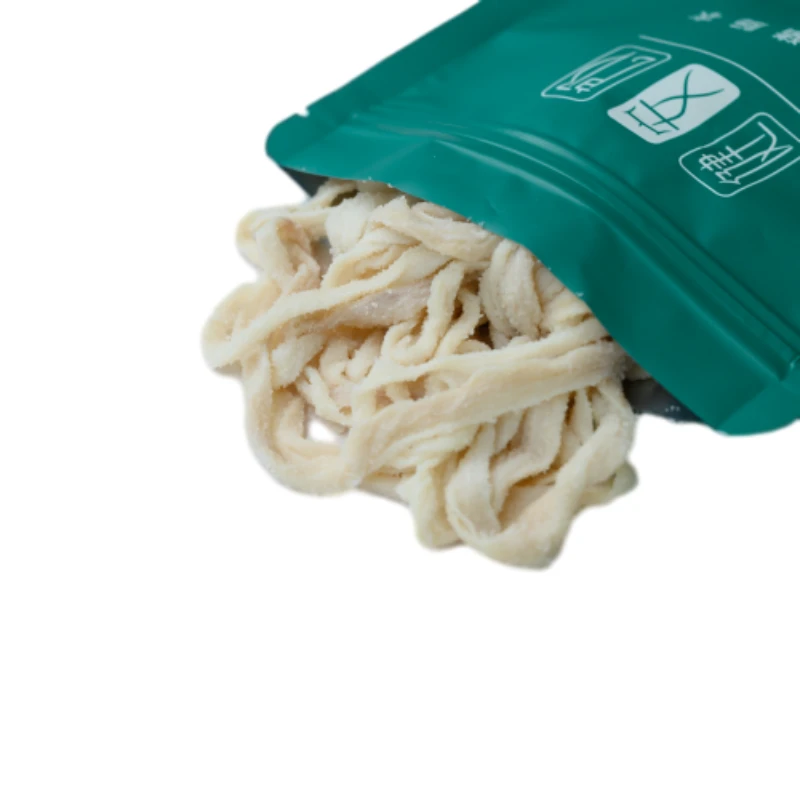
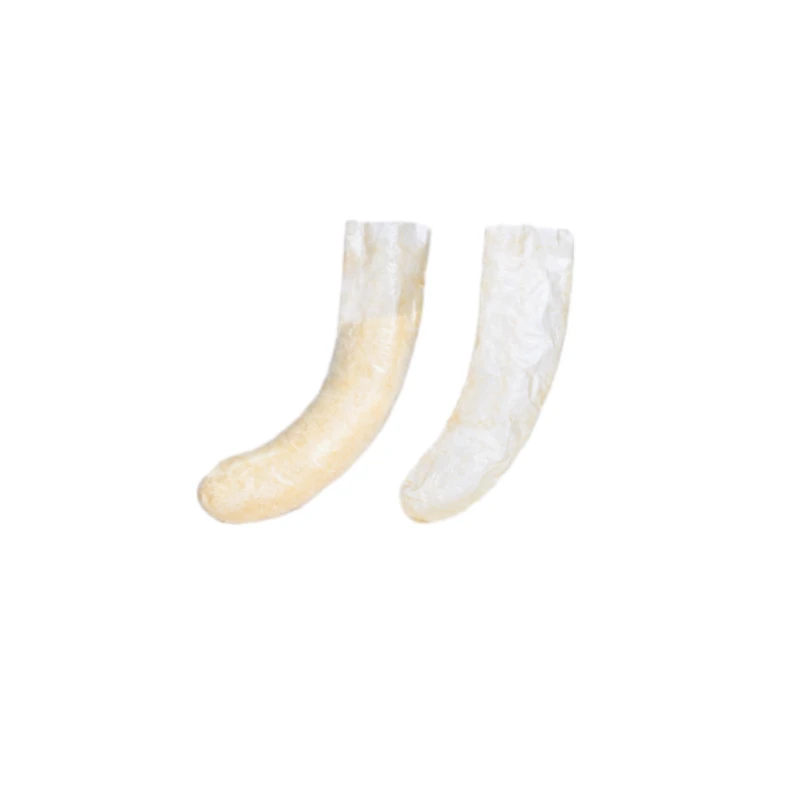
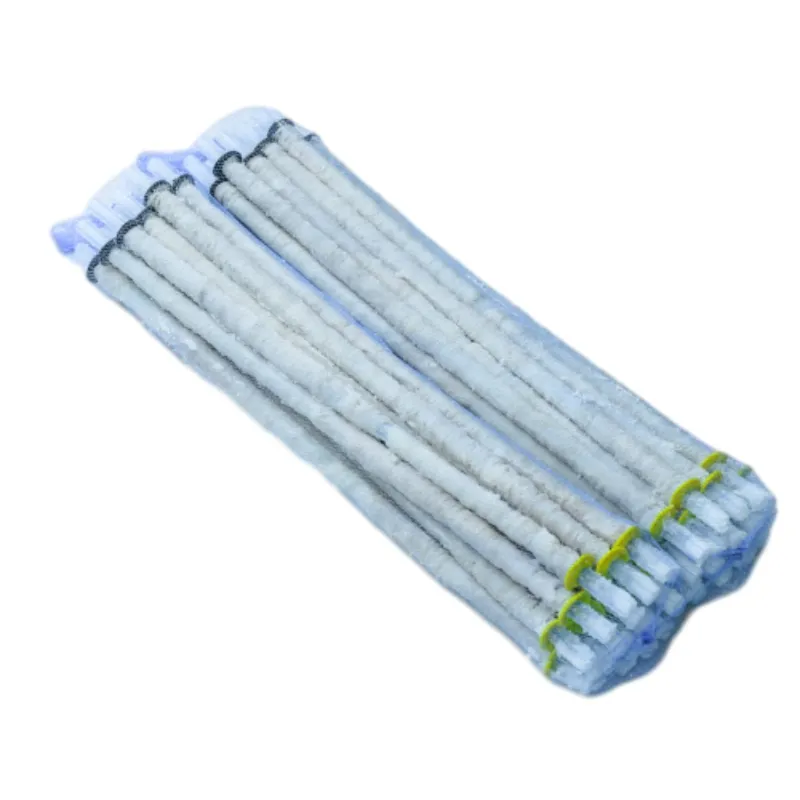
Simply put, when sausages use natural casings, they are made from the cleaned, salted, and processed intestines of animals like pigs, sheep, or cows. These intestines are turned inside out, carefully rinsed to remove any residue and mucous membranes, then salted to preserve them until they are stuffed with sausage meat.
Why intestines? Because they provide a breathable, flexible, and edible casing that enhances the smoking and curing process. It’s a connection to centuries of food craftsmanship and even humanitarian needs — consider that these natural materials are biodegradable and reduce waste compared to plastics.
Key Features of Natural Intestine Casings
- Elasticity: Their natural stretch allows sausages to expand during cooking without splitting too easily.
- Permeability: They allow smoke and air to penetrate for flavor and proper drying.
- Biodegradability: These casings break down naturally, reducing plastic waste.
- Edibility: Safe to eat when properly prepared, unlike some synthetic casings that must be removed.
Core Components: What Makes Intestine Casings Special?
1. Durability and Cooking Performance
When you think about grilling or pan-frying a sausage, that casing needs to be durable enough to hold the filling, but also thin enough to eat without hesitation. Natural intestines do this well, especially for artisanal and gourmet types.
2. Scalability of Supply
Here lies one of the challenges: scaling natural casing sourcing for huge factories is tough. Some regions simply don’t have access to ample supplies of animal intestines, which limits production. Synthetic casings offer consistency in this regard.
3. Food Safety and Hygiene
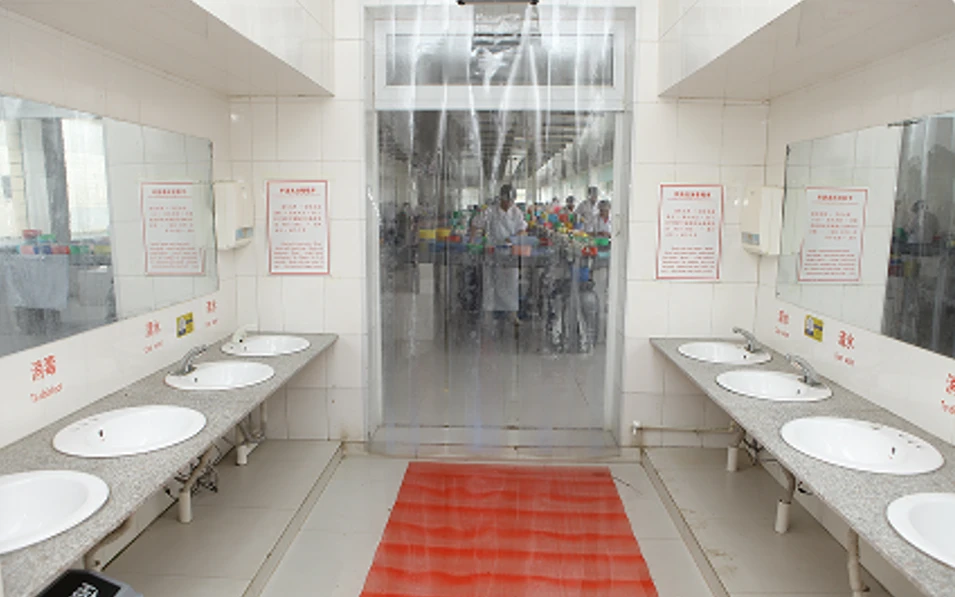
Handling intestines requires meticulous cleaning and storage to mitigate risks. ISO standards like ISO 22000 help food companies manage this process with clear hygiene protocols.
4. Cost Efficiency
Natural casings are generally more expensive due to labor and processing costs but deliver premium quality. Synthetic ones can be a dream for budget operations.
5. Environmental Impact
Natural intestines are organic and biodegradable, making them a better choice for sustainability-conscious producers.
| Feature | Natural Intestine Casings | Synthetic Casings |
|---|---|---|
| Material | Animal Intestines (Pig, Sheep, Cattle) | Collagen, Cellulose, Plastic |
| Edibility | Yes (after proper processing) | Varies (many not edible) |
| Durability | High, flexible but can be fragile | Consistent strength & thickness |
| Environmental Impact | Biodegradable and organic | Varies; mostly synthetic and non-biodegradable |
| Cost | Higher due to processing and sourcing | Lower; mass-produced |
Real-World Applications: Where and Why Natural Casings Shine
Natural intestine casings tend to be a staple in regions rich in traditional meat preparation practices — like Germany, Italy, Spain, and parts of Asia. But oddly enough, many fast-food chains in North America often use synthetic casings for their sausage ingredients due to cost and supply reasons.
Example: In post-disaster relief operations or remote industrial zones, quick-to-prepare meals are a must. But where natural casing sourcing is feasible, communities prefer them for their flavor and biodegradability, avoiding plastic waste accumulation. Organizations like the Food and Agriculture Organization (FAO) often promote natural casing use in such contexts for sustainability reasons.
Advantages and Long-Term Value of Intestine-Based Sausages
- Superior Taste & Texture: Many chefs argue that sausages made with natural intestine casings have a more authentic snap and juiciness that synthetic casings can’t mimic.
- Sustainability: These casings’ organic nature reduces landfill waste and microplastic pollution.
- Preservation of Traditional Practices: Using intestines supports artisanal butchers and local economies.
- Health and Safety: When properly processed, natural casings are remarkably safe and natural, with less chemical exposure than some plastics.
- Emotional Connection: For many, natural casings invoke nostalgia and trust in food quality.
Emerging Trends and Future Innovations
Interestingly, advances in biotechnology are exploring lab-grown collagen casings that mimic the properties of intestines without the ethical and supply issues. Digital supply chains are also improving hygiene transparency, allowing consumers to trace where their sausage casings originate.
On the sustainability front, research includes biodegradable synthetic casings derived from algae or other renewable materials. This could bridge the gap between tradition and scale. Some companies also experiment with smart packaging to detect spoilage more effectively inside natural casings. Exciting times for what many would call a modest food item.
Challenges and How the Industry Is Addressing Them
Natural casings aren’t without problems: they’re sensitive to temperature changes, can vary in size, and require skilled handling. With global supply chains stretched thin, the industry often faces shortages causing price spikes. Food safety regulations demand rigorous cleaning and certification, which can exclude smaller producers.
A promising solution includes hybrid casings — combinations of natural and synthetic materials providing durability and eater-friendliness. Automated cleaning and inspection machines reduce contamination risks, and international standards like ISO 22000 set a quality baseline.
| Supplier | Natural Casings | Synthetic Casings | Sustainability Focus | Global Reach |
|---|---|---|---|---|
| Viskase | Limited | Extensive Collagen & Cellulose | High — launched recyclable packaging | Worldwide |
| Devro | No | Industry Leader in Collagen Casings | Medium — exploring biodegradable tech | Global |
| Budimir Natural | Primary focus | No | Traditional & organic | Europe, Asia |
FAQ: What Everyone Asks About Sausage Intestine Casings
- Q1: Are all sausages still made with intestine casings?
- Not all. While traditional sausages use natural intestines, many mass-produced or budget options use synthetic or collagen casings for consistency and cost reasons.
- Q2: Can I eat sausage casings made from intestines?
- Yes, natural casings are edible and often preferred because they add texture and flavor. Synthetic casings may or may not be edible, depending on the material.
- Q3: Are intestines used for sausage casings safe and hygienic?
- Absolutely, when processed under strict quality controls like ISO 22000, intestines undergo thorough cleaning and sanitization to ensure food safety.
- Q4: How do synthetic casings compare to natural intestine casings?
- Synthetics offer more uniform size and storage longevity but may lack the flavor enhancement and biodegradability that natural casings provide.
- Q5: Why choose natural casings over synthetics in commercial production?
- Though more costly and labor-intensive, natural casings yield better texture, flavor, and sustainability — a choice favored by artisanal producers.
Final Thoughts
So, are sausages made of intestines? More often than not, yes, at least when quality, tradition, and taste are priorities. They offer benefits that synthetic casings, with their own practical advantages, sometimes miss — from that satisfying “snap” as you bite in to environmental friendliness.
Modern production is striving for a balance, blending old-world craft with new-world technology and sustainability goals. If you’re curious about diving deeper into sausage production or casing choices, don’t hesitate to visit our site https://www.rtcasing.com for more detailed insights and product options. After all, understanding what’s inside our food not only helps us savor it better but connects us with a global tradition spanning centuries.
1. Wikipedia Contributors, "Sausage," Wikipedia, https://en.wikipedia.org/wiki/Sausage
2. Food and Agriculture Organization (FAO), "Food Safety & Quality," https://www.fao.org/home/en
3. ISO 22000 - Food Safety Management, International Organization for Standardization