Dec . 02, 2025 20:00
Why Cheap Salted Sausage Casings Matter More Than You Think
At first glance, cheap salted sausage casings might not seem like a world-changing topic. Yet, they play an unexpectedly significant role in food production, cultural preservation, and global trade. Understanding these humble yet practical products reveals insights about the meat processing industry, economic accessibility, and even how communities around the world preserve food safely without breaking the bank.
Whether you're a small-scale butcher in Eastern Europe, a large food manufacturer in Asia, or a humanitarian relief worker looking for affordable, shelf-stable packaging solutions, cheap salted sausage casings deliver critical value. Let’s dive into why they're important globally and the benefits these casings offer.
The Global Importance of Affordable Sausage Casings
The World Bank estimates that billions globally depend on processed meat products for protein intake, especially in regions where refrigeration is limited. According to ISO standards on food safety and hygiene (ISO 22000), the casing used around sausages must meet certain durability and permeability criteria. Cheap salted sausage casings have filled a niche here — they’re accessible, durable, and meet basic safety standards.
Yet affordability is a challenge: while natural casings (often animal intestines) are preferred for taste and tradition, they can be expensive or scarce. That gap has driven innovation and demand for cheaper, salted variants that preserve the meat, extend shelf-life, and reduce spoilage in both commercial and artisanal settings.
Oddly enough, in some developing markets, using these casings indirectly supports food security by reducing waste and opening markets for small producers. There’s a subtle but powerful connection between inexpensive sausage casings and economic livelihoods — something often overlooked in global food discussions.
What Exactly Are Cheap Salted Sausage Casings?
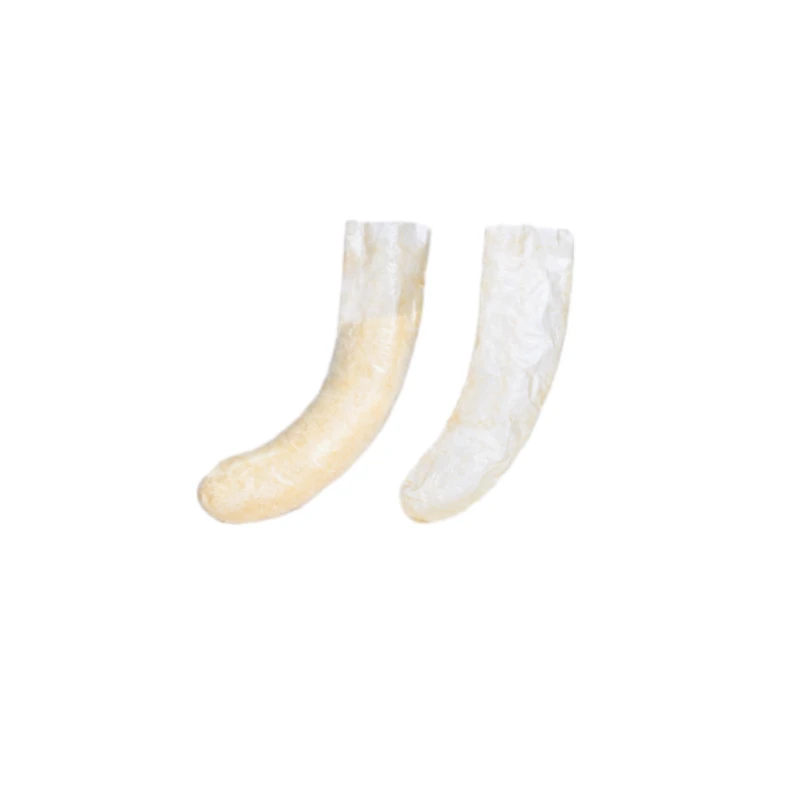
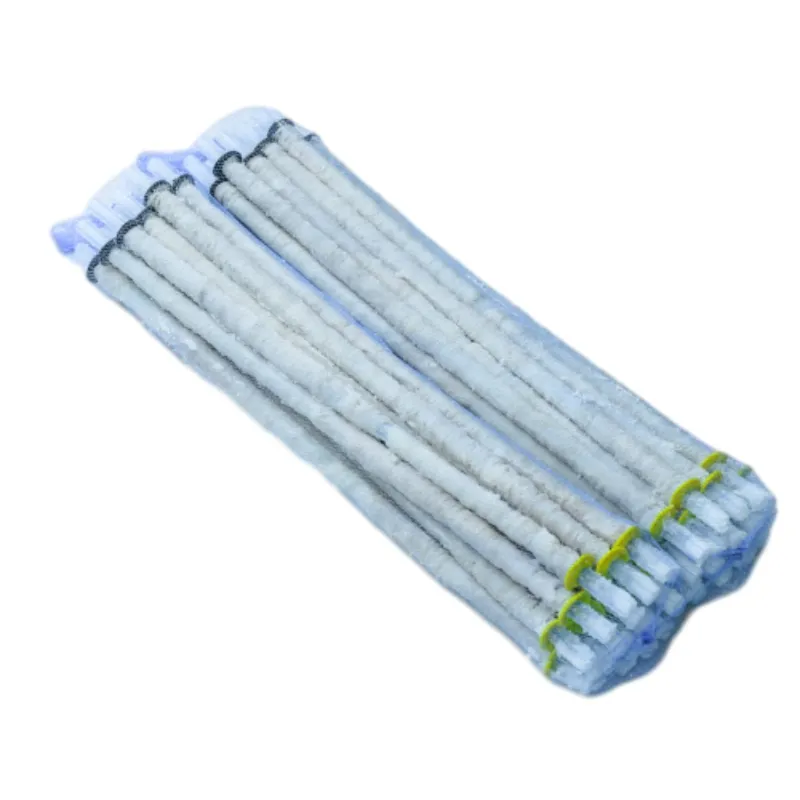
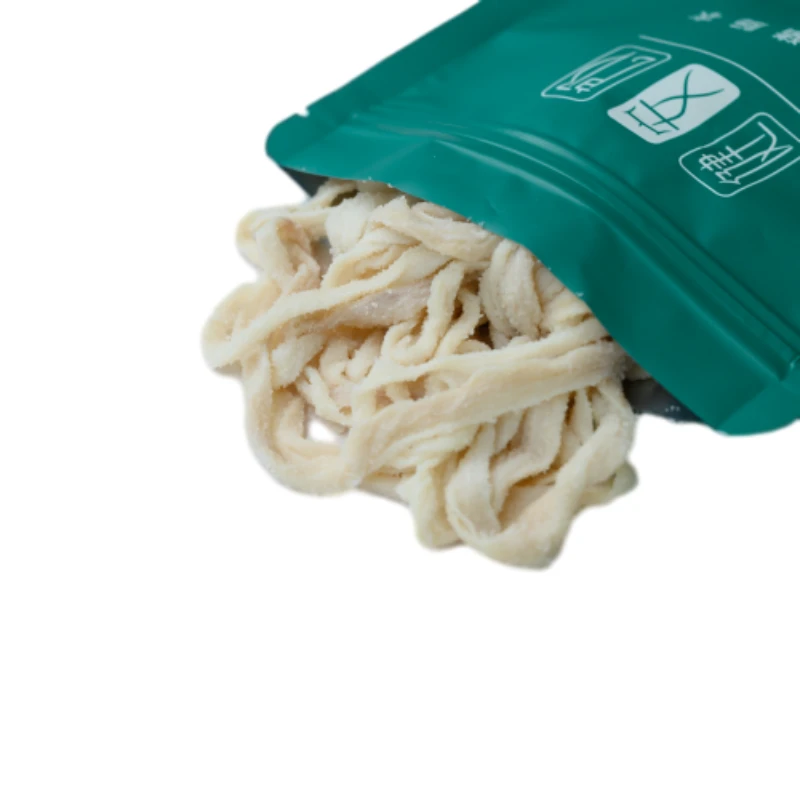
Put simply: they are natural casings made primarily from cleaned animal intestines that have been salted to preserve freshness and prevent bacterial growth. The salting process can be traditional — think coarse sea salt — or use modern food-grade salts approved by international authorities like the UN’s Food and Agriculture Organization.
These casings provide an elastic, edible “skin” that holds ground meat and spices together, then slowly allows moisture to escape during smoking or drying. That’s key to developing flavors and textures unique to sausages worldwide. They’re kind of like the unsung heroes of charcuterie.
Connection to Industry and Humanitarian Efforts
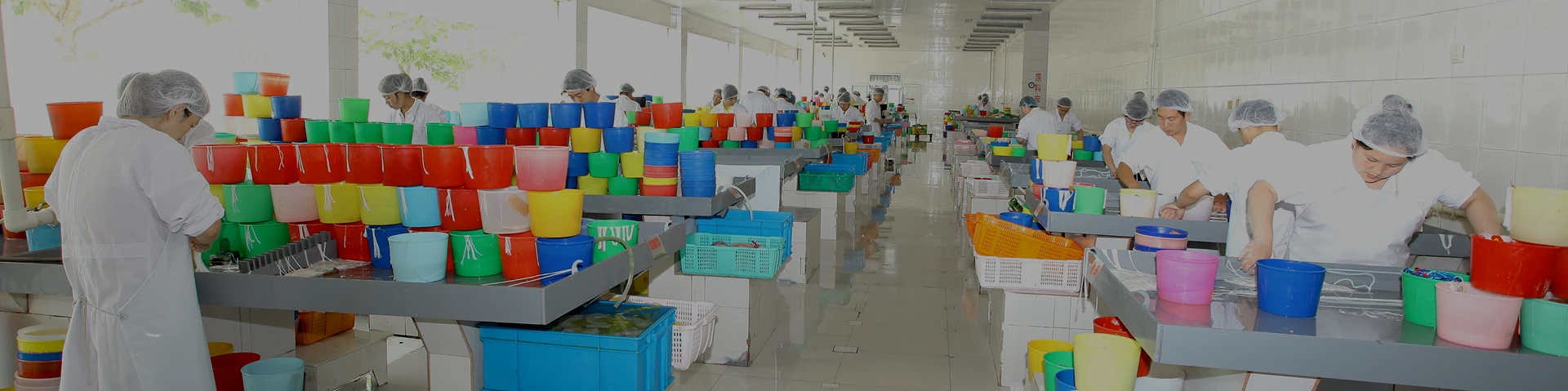
In industrial contexts, cheap salted sausage casings allow mass production at lower costs without compromising basic quality. For humanitarian agencies, such as those involved in refugee food aid, they offer a way to distribute protein-rich, long-lasting foods in challenging environments where refrigeration or import of plastics might be limited.
Key Features of Cheap Salted Sausage Casings
1. Durability
Salt treatment enhances the longevity and resilience of the casings, making them less prone to tearing during stuffing or cooking. Many processors report fewer losses compared to fresh casings.
2. Cost Efficiency
Salted casings reduce spoilage before use, which cuts down waste and lowers input costs. Since raw natural casings can be pricey and perishable, salted versions provide a budget-friendly alternative for small and medium producers.
3. Scalability and Availability
Thanks to established salting and curing processes, salted casings can be transported long distances without refrigeration, making them widely accessible even in remote areas.
4. Food Safety Compliance
Compliant with hygiene measures, these casings meet key international standards, such as EU Regulation (EC) No 853/2004, which assures they are safe for direct food contact.
5. Flavor and Culinary Tradition
While they might lack some of the gourmet nuances of fresh casings, salted ones still allow artisans to produce traditional regional sausages, helping preserve culinary heritage affordably.
Product Specifications for Typical Cheap Salted Sausage Casings
| Specification | Details |
|---|---|
| Type | Natural (Sheep or Hog Intestine) |
| Preservation | Salted with coarse food-grade salt |
| Diameter Range | 14mm to 32mm (varies by batch) |
| Shelf Life | Up to 12 months (if stored cool and dry) |
| Usage | Sausage filling, drying, smoking |
| Compliance | ISO 22000, EU Food Safety Regulations |
Mini Takeaway: Salted casings strike a clever balance between affordability, safety, and functional quality—no wonder they’re a mainstay across the globe.
How and Where Are Cheap Salted Sausage Casings Used Worldwide?
In Europe and Asia, many artisan butchers rely on salted casings for specialty sausages like Hungarian kolbász or Chinese lap cheong, where natural texture is crucial but cost control remains a priority. In Latin America, local meat processors use them to expand offerings without equipment upgrades.
Oddly enough, in disaster relief scenarios, NGOs sometimes employ salted casings to prepare protein-rich supplies that travel well and can be portioned easily in camps or remote zones. Organizations like the UN World Food Programme have explored such packaging as alternatives to canned meats, which are heavier and costlier to ship.
Plus, tiny family businesses in rural Africa have found that salted sausage casings open doors to local markets, improving food security and livelihoods. The supply chain for these casings, often supported by regional suppliers, helps build resilient food economies.
Competitive Vendor Comparison
| Vendor | Price per Meter | Source | Quality Rating (1-5) | Delivery Options |
|---|---|---|---|---|
| Natural Casing Co. | $0.50 | Hungary | 4.2 | Worldwide air freight |
| SaltPlus Sausages | $0.38 | China | 3.8 | Bulk ocean shipping |
| EcoCasing Supplies | $0.45 | USA | 4.5 | Next-day delivery (local) |
Advantages and Long-Term Value of Using Salted Casings
Beyond the upfront price tag, the cost savings of salted sausage casings add up. Reduced waste, longer shelf-life, and easier transport mean producers spend less replacing spoiled materials or losing product quality. Consumers get better-tasting, safer sausages.
Socially and emotionally, these casings help maintain culinary traditions without forcing small makers to buy costly tech or specialty equipment. There's an element of dignity here — affordable yet quality products that feed communities and keep traditions alive.
Looking Ahead: Innovations and Trends Shaping Sausage Casings
The industry quietly evolves. Hybrid casings combining salted natural materials with biodegradable polymers offer better shelf stability and improved environmental footprints. Digital supply chains and traceability backed by blockchain are gaining traction, ensuring hygienic standards and origin transparency.
Sustainability is also front and center. New regulations push suppliers toward environmentally friendly packaging, reducing plastic reliance. Even salted casings are adapting as producers explore non-animal sourcing or lab-grown alternatives — although we’re still a few years out from widespread adoption.
Challenges and Practical Solutions
Despite the perks, salted casings aren’t perfect. Inconsistent thickness or diameter variations can cause processing slowdowns. Also, some users report occasional salt residue affecting flavor.
Innovations in automated sorting and washing technology help reduce these issues. Meanwhile, customer education campaigns focus on proper rinsing and storage to minimize saltiness and maximize casing life.
Frequently Asked Questions About Cheap Salted Sausage Casings
- Q1: How long can salted sausage casings be stored?
A: If stored in a cool, dry place and kept sealed, salted sausage casings can last up to 12 months without significant quality loss. Always rinse before use to remove excess salt. - Q2: Are cheap salted casings safe for all sausage types?
A: Yes, they are generally safe for most fresh, cooked, and smoked sausages. Ensure your supplier complies with local food safety regulations for peace of mind. - Q3: Can NGOs import cheap salted sausage casings internationally?
A: Certainly. But they must check country-specific import regulations. Working with experienced vendors who understand export logistics can help smooth customs clearance. - Q4: Do salted casings affect the flavor of sausages?
A: Sometimes a slight salty note is noticeable if casings aren’t rinsed well. Most producers recommend soaking briefly before stuffing to balance this out. - Q5: What size range do salted casings come in?
A: Sizes typically range from 14mm to 32mm diameters, covering most sausage products from snack sticks to larger traditional varieties.
In Conclusion: Why Cheap Salted Sausage Casings Should Stay on Your Radar
Whether you’re crafting artisanal delicacies or managing large-scale meat production, salted sausage casings offer an economical, reliable, and culturally respectful choice. Their global accessibility, compliance with safety standards, and enduring use across diverse markets underscore their importance. In real terms, they represent the unglamorous but crucial link between tradition and modern food manufacturing — affordable quality you can trust.
For more information and sourcing options, visit cheap salted sausage casings and discover how the right casing can make all the difference in your production line.
Mini takeaway: Cheap salted sausage casings combine tradition with practicality in a way few realize—never underestimate the power of a simple casing.