Dec . 04, 2025 11:30
Understanding the 20mm Sausage Casing Pricelist: What You Need to Know
Having spent over a decade working around industrial food processing, I’ve gotten pretty familiar with the many quirks of sausage casing — especially the 20mm sausage casing pricelist. Oddly enough, the price can vary a lot depending on a few tangible factors, not just market demand. You know, it’s not just about the diameter or the type of casing but also about the material quality, the supplier’s reliability, and whether the casings are customized or mass-produced.
Let me start with the basics. The 20mm sausage casing is often favored for snack-sized sausages or small deli links. They’re not too thick but sturdy enough to hold their shape under cooking, which frankly makes a lot of processors’ lives easier. I’ve seen cases where switching to a slightly thinner or thicker casing caused a ripple effect in production — from filling speeds to packaging line adjustments. So the choice matters, and naturally, so does the price.
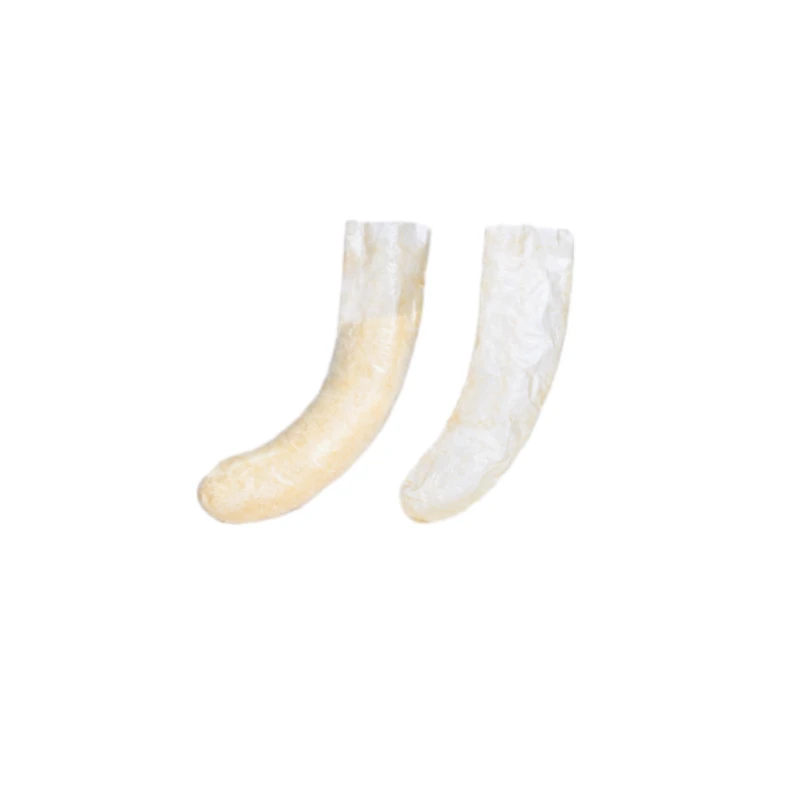
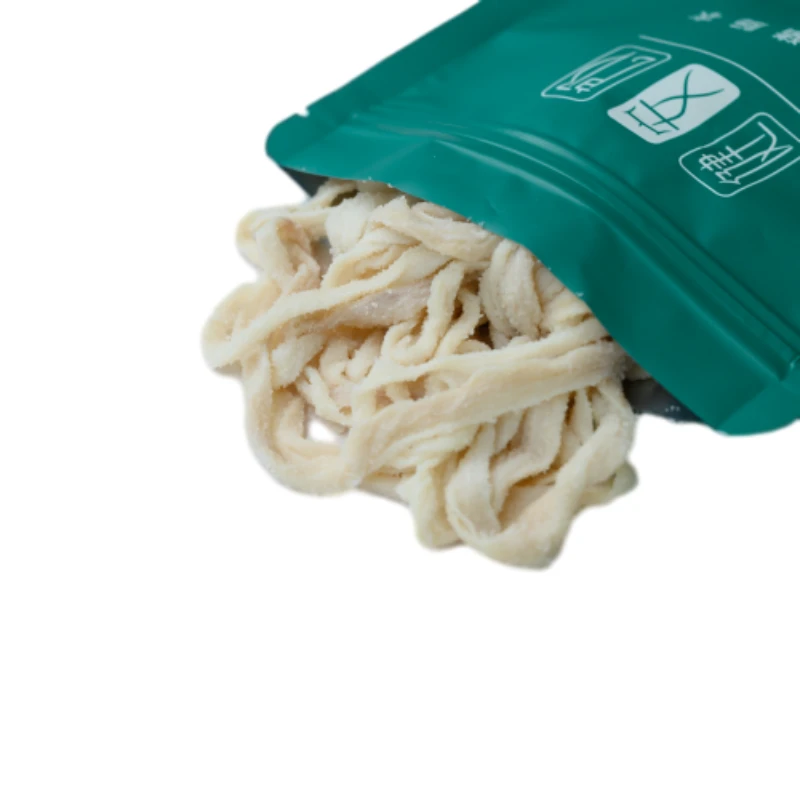
Now, price, in real terms, is often tied to materials. Collagen casings are a popular choice in the 20mm range — they come from either bovine or porcine sources and are relatively affordable compared to natural casings. Synthetic casings, made from cellulose or fibrous materials, come with their own pricing schemes and benefits. For example, fibrous casings tend to cost more since they’re engineered for durability and high smoke absorption, which some niche sausage makers swear by.
Here’s a quick rundown of typical 20mm casing specs, just so the numbers aren’t floating in the ether:
| Specification | Details |
|---|---|
| Diameter | 20 mm (Nominal) |
| Material Types | Collagen, Natural (Intestine), Fibrous, Cellulose |
| Shelf Life | 6–12 months (varies by packaging and material) |
| Typical Use | Snack sausages, cocktail sausages, specialty products |
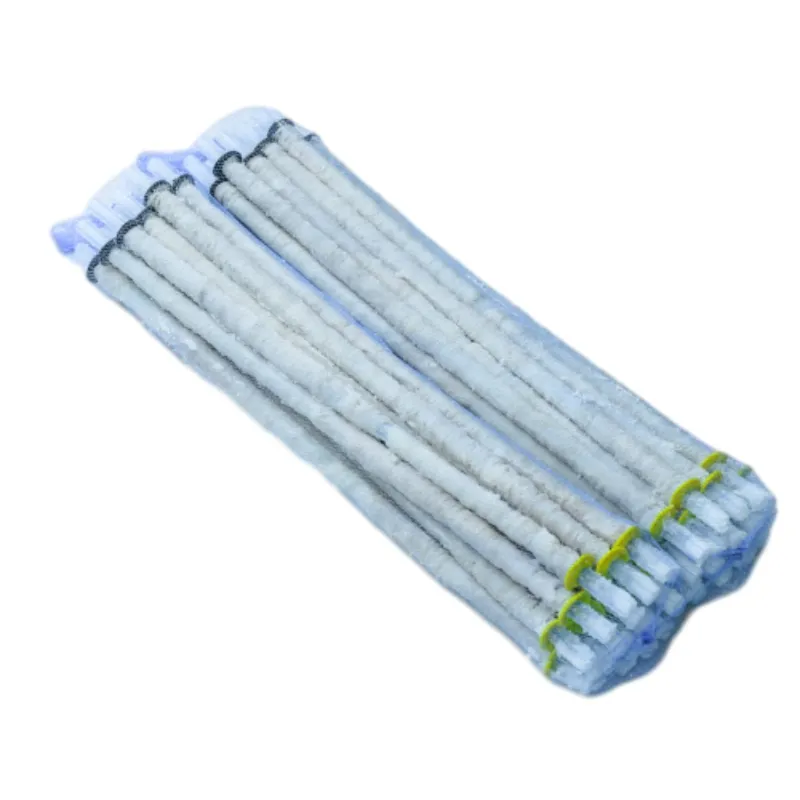
| Packaging | Bundles of 50m, 100m, or pre-cut lengths |
Pricing often depends on the vendor’s sourcing capabilities and quality control benchmarks. For example, I've worked with suppliers that focus heavily on traceability — sourcing their collagen from certified farms — and these casings tend to be priced at a premium. But a few years back, I helped a small producer switch to a new vendor that offered competitive prices without any real drop in quality, proving that it pays to have options.
To give you a clearer picture, here’s a snapshot comparison of some well-known sausage casing suppliers — just the essentials, no fluff:
| Vendor | Material Focus | Price Range (per 100m) | Customization | Lead Time |
|---|---|---|---|---|
| RTCasing | Collagen & Natural | $25 - $35 | Yes (diameter & length) | 2–3 weeks |
| Global Casings Ltd. | Fibrous & Collagen | $30 - $45 | Limited | 3–5 weeks |
| Natural Casings Inc. | Natural Intestinal | $40 - $55 | Yes (species & length) | 4+ weeks |
Speaking from experience, the actual price you pay can also fluctuate with global meat prices and regulations — something many smaller producers often overlook until it hits their bottom line. Many engineers and small operators I know say it’s worth developing a solid relationship with a trusted supplier, maybe even testing batches across different seasons to get a feel for price stability and quality variation.
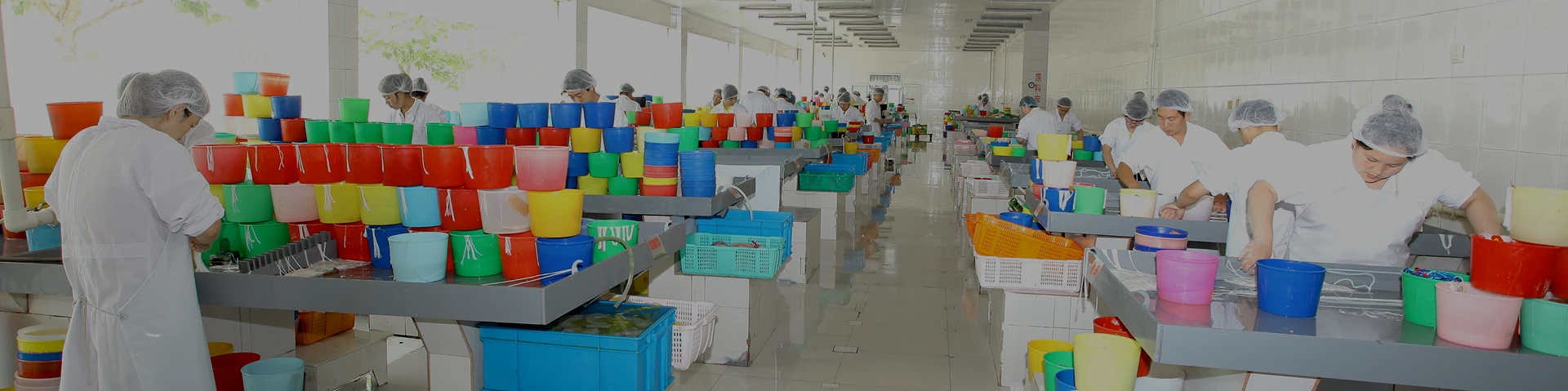
But here’s the thing: 20mm sausage casing pricelist doesn’t just reflect raw materials. It reflects the supplier’s whole ecosystem — from how rigorously they quality-check, to their packaging tech, and even how well they can customize for your specific needs. I remember a client who needed very uniform casing lengths for a new automated line; their ability to customize saved so much wasted material, it practically paid for itself in months.
So, if you’re in the market, here’s my simple advice: compare, but also ask about traceability, customization, and service. Don’t just take a price sheet at face value; dig a little. Whether you’re making snack sticks on a small scale or ramping production for a regional brand, those 20mm casings are often the unsung heroes of efficient sausage production.
Well, that’s my two cents from the sausage casing trenches. Hope it brings some clarity to your sourcing journey!
- Industry insights from 10+ years in industrial food equipment
- Supplier catalogs and quality certifications reviewed 2023
- Direct interviews with casing vendors and product engineers