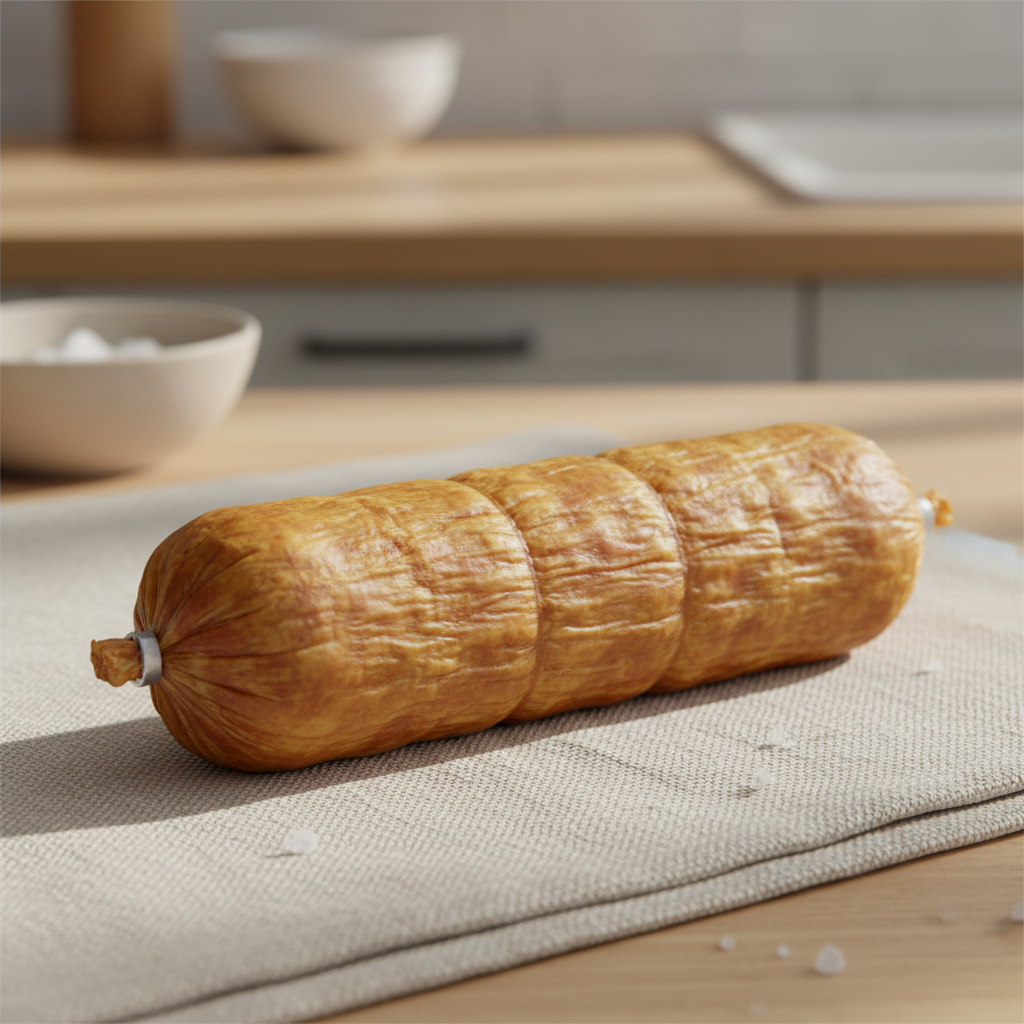
Finding a reliable source for high-quality meat envelopes is a critical decision for any professional charcuterie or industrial meat processor. Whether you are producing traditional bratwurst, delicate chipolatas, or gourmet smoked sausages, the casing serves as more than just a container; it defines the snap, texture, and overall presentation of the final product. For those wondering where to buy natural sausage casings, the answer lies in identifying suppliers who prioritize sanitary processing and consistent calibration.
The global B2B market for natural membranes involves complex logistics, ranging from salted hog skins to dried tubed options. In an industry where food safety is non-negotiable, sourcing from manufacturers that adhere to strict international standards is essential. The challenge for procurement managers is balancing the authentic "bite" of natural materials with the operational efficiency required for large-scale production, necessitating a deep dive into supplier capabilities and product specifications.
This guide provides a comprehensive framework for evaluating suppliers and selecting the right casing types based on your specific production needs. Readers will learn how to distinguish between various processed forms, the importance of HACCP certifications, and the technical advantages of dried tubed alternatives. By focusing on consistency, durability, and sanitary compliance, businesses can optimize their supply chain and ensure a superior end-consumer experience.
The Role of Natural Casings in Meat Processing
Natural membranes, derived from the intestines of animals, remain the gold standard for premium sausage production due to their unique permeability and elasticity. Unlike collagen or cellulose alternatives, where to buy natural sausage casings usually leads processors to specialized factories that can handle the rigorous cleaning and salting processes required to make these materials food-safe. The primary value of natural casings lies in their ability to allow smoke penetration during the curing process while maintaining a structural integrity that prevents bursting during high-speed stuffing. This biological compatibility ensures that the sausage retains its moisture and develops the characteristic "snap" that consumers associate with artisanal quality. From a technical standpoint, the selection depends heavily on the diameter requirements and the intended cooking method, whether it be fresh, smoked, or fermented. Modern processing has evolved to offer various formats, including salted and dried versions, to better suit the diverse storage capacities and lead times of global meat manufacturers.
Strategic Sourcing for Professional Sausage Production
Procuring the right materials requires a shift from simple price-shopping to a comprehensive evaluation of the supplier's technical ecosystem. A professional sourcing strategy focuses on the intersection of material purity, calibration accuracy, and logistics reliability to minimize production downtime and waste.
Evaluating Supplier Certifications
In the B2B meat industry, certifications are the only objective proof of safety. A supplier's commitment to HACCP (Hazard Analysis and Critical Control Points) is paramount. For instance, Runtai (Hebei) Casing Co., Ltd has been HACCP certified since 2018, ensuring that every step of the processing—from the initial import of raw materials to the final packing—is monitored for biological and chemical hazards. When auditing a factory, buyers should look for evidence of strict sanitary quality procedures and compliance with both domestic and overseas inspection and quarantine laws to avoid costly shipment rejections.
| Certification/Standard | Why It Matters | What to Verify | Production Impact |
|---|---|---|---|
| HACCP | Food Safety Assurance | Critical Control Point Logs | Lower Contamination Risk |
| ISO Standards | Management Consistency | Audit Reports | Predictable Lead Times |
| Export Qualifications | Legal Compliance | Designated Factory Status | Seamless Customs Clearance |
| Sanitary Procedures | Pathogen Control | Workshop Hygiene Records | Extended Product Stability |
| International Association Membership | Industry Benchmarking | Member Status | Standardized Calibers |
| Cold Storage Capacity | Quality Preservation | Temperature Logs | Consistent Raw Material Grade |
Material Selection: Hog vs. Sheep
The choice between hog and sheep casings depends entirely on the desired sausage diameter and the intended application. Hog casings are versatile, typically used for larger sausages like bratwursts or kielbasas, providing a robust wall that can withstand industrial stuffing. Sheep casings, conversely, are much thinner and narrower, making them the ideal choice for breakfast links or cocktail sausages. Procurement teams must specify the exact caliber needed to ensure the filling meat blends perfectly with the casing, avoiding air pockets or over-stretching which can lead to ruptures during cooking.
Dried Tubed Casings for Industrial Efficiency
For large-scale operations, dried tubed casings offer a significant operational advantage over salted versions. These products are pre-processed to ensure uniform diameter and thickness, which leads to highly consistent sausage sizing across thousands of units. Because they are dried, they eliminate the need for refrigeration before use, drastically reducing cold storage costs and simplifying inventory management. They are particularly effective for those producing special-shaped sausages, such as star or rabbit shapes, where structural uniformity is critical for the aesthetic appeal of the final product.
Storage and Shelf-Life Management
Maintaining the integrity of natural membranes requires strict adherence to storage protocols. Salted casings must be kept in temperature-controlled environments to prevent spoilage. In contrast, dried tubed options provide an extended shelf life when stored in cool, dry conditions. This versatility allows manufacturers to stock larger quantities to hedge against supply chain disruptions without risking material degradation. Proper rehydration techniques—soaking in water for a specified duration—are essential to restore elasticity before the stuffing process begins.
Ensuring Uniformity and Burst Resistance
One of the most costly issues in sausage production is the "burst rate." This is often caused by irregularities in the casing wall or weak spots in the natural tissue. High-grade processing, such as that employed by experienced exporters, involves rigorous testing of tensile strength and elasticity. By utilizing standardized sizing and professional grading, manufacturers can achieve fewer defects and a more secure fill. This is especially important for smoked or cooked sausages where the thermal expansion of the meat puts significant pressure on the casing.
Compliance with Global Sanitary Standards
Exporting natural casings requires navigating a complex web of international quarantine laws. A reliable partner must possess the qualification to process overseas casings as a designated factory. Runtai's infrastructure, including a 13,000m² facility with dedicated quality control and HACCP groups, exemplifies the scale required to maintain these standards. When sourcing, ensure your supplier manages the "record management stipulation of food production enterprise for exportation" to guarantee that every batch is traceable and compliant with the destination country's health regulations.
Customization for Specialty Shapes
The modern consumer market often demands novelty, leading to the rise of special-shaped sausages for holidays or themed events. Achieving shapes like Christmas trees, stars, or animal figures requires casings with exceptional elasticity and a high degree of uniformity. Dried tubed options are often the preferred choice here, as their standardized nature ensures that the shape is maintained throughout the stuffing and cooking process. Working with a supplier that has a diverse product portfolio—including salted hog, sheep, and various dried types—allows brands to innovate their product lines without compromising quality.
FAQ
What is the difference between salted and dried tubed casings?
Salted casings are preserved in brine and generally require refrigeration to maintain quality and prevent bacterial growth. Dried tubed casings are pre-processed and dehydrated, allowing for an extended shelf life without the need for refrigeration before use. This makes dried options more cost-effective for storage and easier to transport globally, though they require a rehydration (soaking) period before they can be used in production.
How do I choose the right diameter for my sausage product?
Selection depends on the intended product type. Sheep casings are best for thin, delicate sausages like breakfast links. Hog casings are more versatile and suitable for medium to large sausages such as bratwursts. You should match the caliber of the casing to the volume of the meat blend; using a casing that is too wide will result in an unattractive, loose appearance, while one that is too narrow increases the risk of bursting during the stuffing or cooking process.
What certifications should I look for in a casing supplier?
The most critical certification is HACCP (Hazard Analysis and Critical Control Points), which ensures the supplier has a system to identify and prevent food safety hazards. Additionally, look for suppliers who are members of international natural casing associations and possess official export qualifications from their respective governments. This ensures the products meet the sanitary and quarantine laws of the importing country, reducing the risk of customs delays or health violations.
Can natural casings be used for all types of sausages?
Yes, natural casings are highly versatile and suitable for fresh, smoked, cooked, or fermented sausages. Their natural permeability allows smoke to penetrate the meat effectively during the curing process, which is why they are preferred for traditional smoked products. However, for specific industrial needs where absolute uniformity is more important than the traditional "snap," some manufacturers might supplement their use with collagen options, though natural remains the premium choice.
How do I prevent casings from bursting during stuffing?
Bursting is typically caused by three factors: improper rehydration, incorrect caliber selection, or excessive stuffing pressure. Ensure that casings are soaked for the manufacturer's recommended time to restore full elasticity. Use a caliber that matches your meat volume and calibrate your stuffing machinery to avoid over-packing. Additionally, sourcing high-quality materials with consistent wall thickness and high tensile strength—such as those from specialized export factories—significantly reduces defect rates.
Where is the best place to procure bulk natural membranes for export?
The best sources are designated factories that specialize in processing for the international market. Companies like Runtai (Hebei) Casing Co., Ltd offer a comprehensive range of salted hog, sheep, and dried tubed options, supported by HACCP certification and extensive export experience. When sourcing in bulk, prioritize suppliers with significant cold storage capacity (e.g., 1200 tons) and a professional quality control department to ensure batch-to-batch consistency across global shipments.
References and further reading
- International Natural Sausage Casings Association - Standards and Grading Guidelines.
- Global Food Safety Initiative (GFSI) - Benchmarking Food Safety Management Systems.
- HACCP Certification Requirements for Animal By-Product Processing.
Related Articles