7月 . 22, 2025 11:19
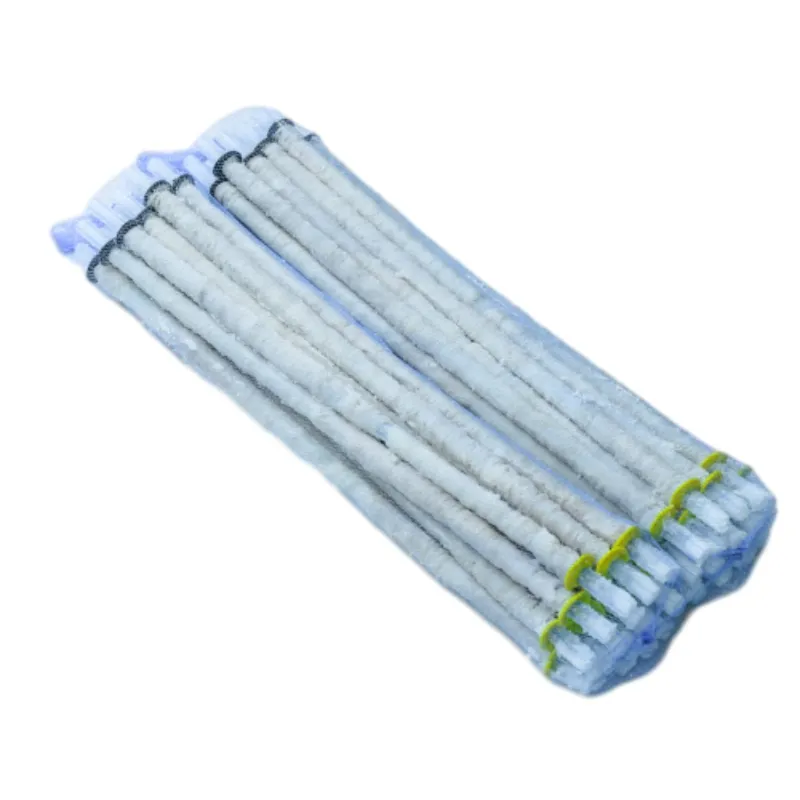
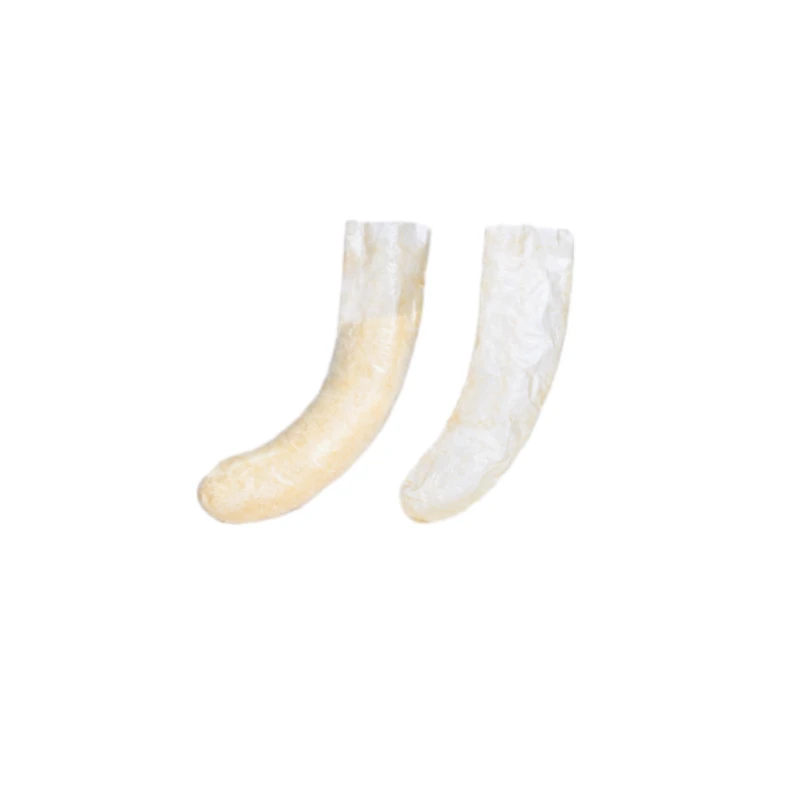
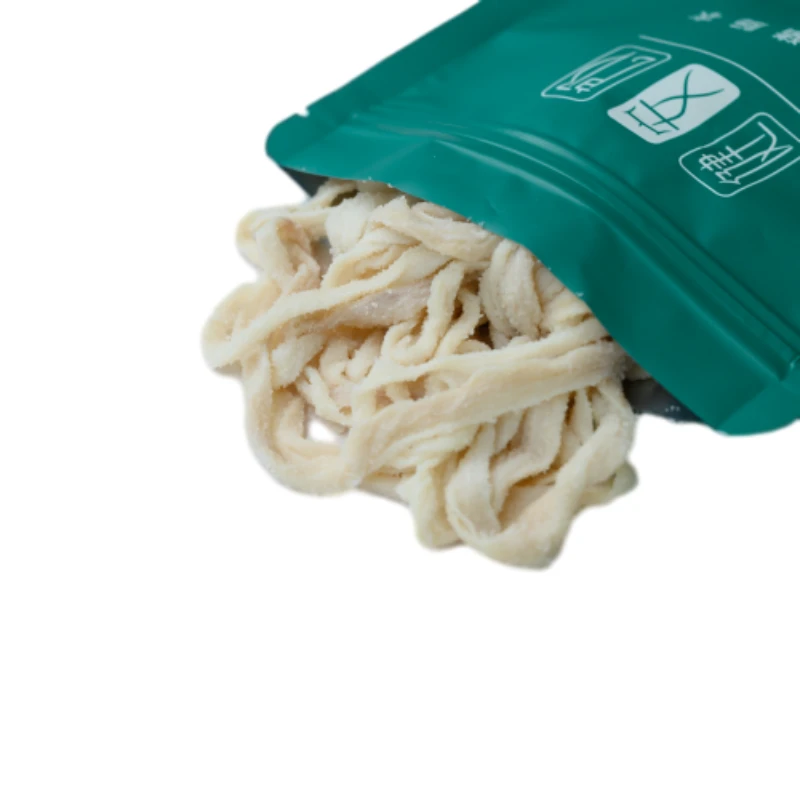
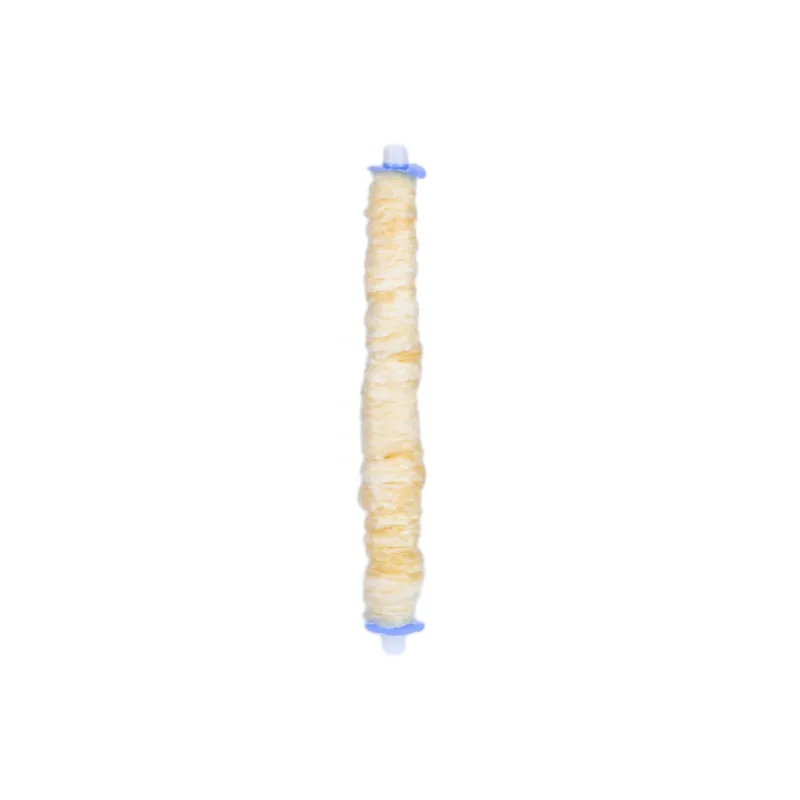
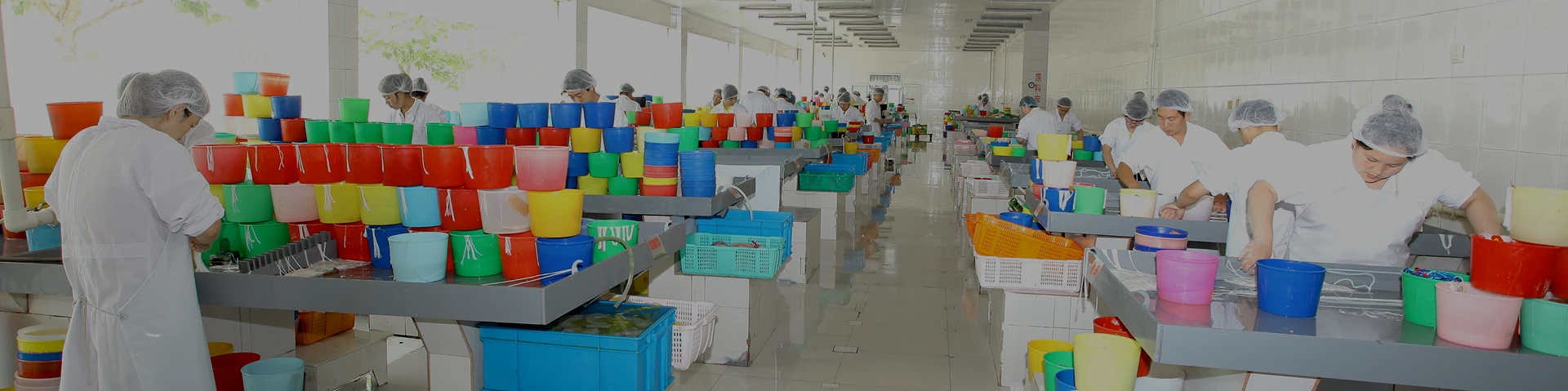
In the bustling world of food production, dried sausage casings, including dried hog casings and dried hog casings, have become indispensable in sausage manufacturing. Their popularity stems from the convenience, consistency, and cost-effectiveness they offer. Runtai(hebei) casings co., ltd, established in July 2003 and a proud member of the International Natural Sausage Casings Association, has been at the forefront of processing high-quality sausage casings mainly for export. As a designated factory for importing, exporting, and processing overseas casings, they possess the expertise and resources to ensure top-notch products. Situated in the west of Shunping County, close to the Baofu Road, with a sprawling 13000m² area that includes a 1500m² workshop and an 800m² cold storage with a capacity of 1200 tons, and a workforce of 200 employees (170 skilled workers and 30 diploma-holding management staff), Runtai is well-equipped to handle all aspects of sausage casing production. However, to utilize dried sausage casings effectively, proper rehydration is key.
Importance of Rehydrating Dried Sausage Casings
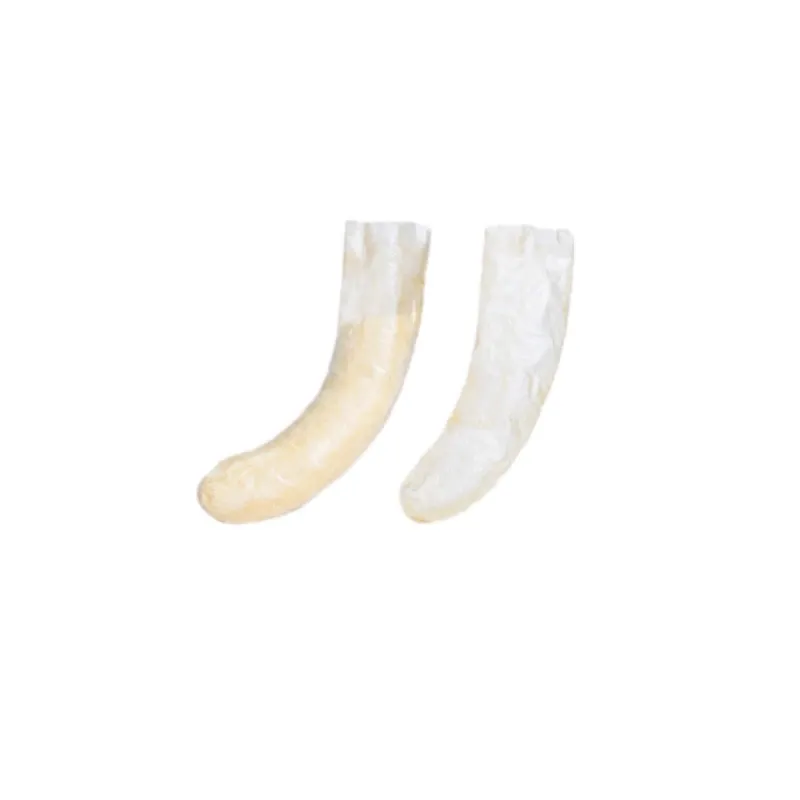
- Restoring Elasticity: Dried sausage casings lose their natural moisture during the drying process, making them brittle. Rehydration restores their elasticity, allowing them to stretch and conform to the shape of the sausage filling without tearing. For dried hog casings, this is crucial as it ensures a consistent and tight fit around the sausage, contributing to the perfect texture and appearance of the final product.
- Enhancing Sausage Quality: Properly rehydrated dried hog casingsand other dried sausage casings can significantly enhance the quality of sausages. When the casing is well-hydrated, it helps in evenly distributing heat during the cooking process, resulting in a more evenly cooked sausage. Additionally, it improves the flavor and aroma transfer from the casing to the sausage, making the overall taste more appealing.
- Easier Stuffing Process: Rehydrated dried sausage casings are more pliable, making the stuffing process much smoother. This reduces the chances of air pockets forming inside the sausage and minimizes the risk of the casing bursting during stuffing. For sausage manufacturers, a seamless stuffing process means increased efficiency and reduced waste.
Common Rehydration Techniques for Dried Sausage Casings
- Soaking in Water: The most straightforward method is to soak dried hog casingsor dried sausage casings in lukewarm water. Fill a container with enough water to fully submerge the casings and let them soak for 30 minutes to 2 hours, depending on the thickness and type of casing. Stir the casings gently during the soaking process to ensure even rehydration. This method is simple and effective for most dried sausage casings.
- Brining: Brining involves soaking the dried hog casingsin a saltwater solution. Dissolve a specific amount of salt in water (usually around 1 - 2 tablespoons of salt per liter of water) and soak the casings for 1 - 3 hours. The salt not only helps in rehydrating the casings but also acts as a natural preservative and can enhance the flavor of the sausage.
- Steam Rehydration: For a quicker rehydration process, steam can be used. Hang the dried sausage casingsover a pot of boiling water, cover the pot with a lid, and let the steam penetrate the casings for 10 - 15 minutes. This method is ideal when you're short on time but still want to achieve good rehydration results.
|
Rehydration Technique |
Advantages |
Disadvantages |
|
Soaking in Water |
Simple, accessible, gentle on casings |
Time-consuming, may require stirring for even rehydration |
|
Brining |
Enhances flavor, acts as a preservative |
Adds saltiness, may require rinsing before use |
|
Steam Rehydration |
Quick, efficient |
Requires additional equipment, may overcook delicate casings if not monitored closely |
Rehydration of Dried Hog Casings vs Other Dried Sausage Casings
- Differences in Rehydration Time: Dried hog casings, due to their structure and thickness, often require a longer rehydration time compared to some other types of dried sausage casings. For instance, dried hog casingsmight need 1 - 2 hours of soaking, while thinner dried sausage casings made from other materials could be ready in 45 minutes to 1 hour.
- Texture and Handling: After rehydration, dried hog casingstend to have a more robust and elastic texture, which makes them suitable for larger and heavier sausage fillings. Other dried sausage casings may be more delicate and require more careful handling during the stuffing process. Understanding these differences helps sausage makers choose the right rehydration technique and use the casings effectively.
Tips for Successful Dried Sausage Casing Rehydration
- Pre-Rinse the Casings: Before starting the rehydration process, give the dried hog casingsor dried sausage casings a quick rinse under cold water to remove any dust or debris on the surface. This ensures that the casings are clean and reduces the risk of contaminants affecting the sausage.
- Monitor the Process: Whether you're soaking, brining, or steaming the casings, keep an eye on them. Over-rehydrating can make the casings too soft and prone to tearing, while under-rehydrating will result in a tough and inelastic casing. Check the texture of the casings periodically to determine when they are ready.
- Store Rehydrated Casings Properly: If you rehydrate the dried sausage casingsin advance and don't plan to use them immediately, store them in the refrigerator, wrapped in a damp cloth or placed in a sealed container with a little water. This will keep them moist and prevent them from drying out again.
Dried Sausage Casing FAQS
Can I Rehydrate Dried Sausage Casings in Hot Water?
It's not recommended to rehydrate dried hog casings or dried sausage casings in hot water. Hot water can cause the casings to expand too quickly, making them lose their structural integrity and become too soft. This can lead to tearing during the stuffing process or result in a poor-quality sausage. Lukewarm water is the best option for a gentle and effective rehydration.
How Do I Know if My Dried Hog Casings Are Fully Rehydrated?
Fully rehydrated dried hog casings will feel soft, pliable, and elastic. They should stretch easily without breaking. If the casings still feel stiff or brittle, they need more time to rehydrate. You can also check by gently pulling on the casing; if it returns to its original shape without tearing, it's likely ready for use.
Can I Reuse the Water Used for Rehydrating Dried Sausage Casings?
It's not advisable to reuse the water for rehydrating dried sausage casings. The water may contain impurities, bacteria, or residues from the casings, which can affect the quality and safety of the next batch of casings. Always use fresh water for each rehydration process to ensure clean and properly rehydrated casings.
What Should I Do If My Rehydrated Dried Sausage Casings Are Too Salty After Brining?
If the dried sausage casings are too salty after brining, rinse them thoroughly under cold running water. This will help remove the excess salt. You can also soak them in fresh water for 10 - 15 minutes to further reduce the salt content. Make sure to drain the casings well before using them for stuffing.
Where Can I Purchase High-Quality Dried Sausage Casings?
For top-quality dried hog casing and other dried sausage casings, visit the official website of Runtai(hebei) casings co., ltd. With their years of experience, strict quality control, and state-of-the-art facilities, they offer a wide range of premium sausage casings. Explore their product catalog, learn about their production processes, and place your order to ensure the success of your sausage-making endeavors.
Ready to master the art of sausage-making with perfectly rehydrated dried sausage casings? Head to the https://www.rtcasing.com/ of Runtai(hebei) casings co., ltd and discover our high-quality products. Elevate your sausage production to new heights with our reliable casings!