Nov . 03, 2025 15:10
Natural Hog Casings For Sale: insider notes from the sausage line
If you’ve ever chased that crisp “snap” on a brat or the soft chew in a breakfast link, you already know why pros obsess over natural casings. From WEST PING’AN STREET, SHUNPING COUNTY, HEBEI, CHINA, one supplier that keeps coming up in my notes is RT Casing’s Salted Hog Casings. To be honest, the market has swung back toward natural in the past three years—clean labels, better mouthfeel, and smoke permeability are winning again. And yes, Natural Hog Casings For Sale is a lively search term because craft and mid-size processors are scaling quickly.
What you’re actually buying
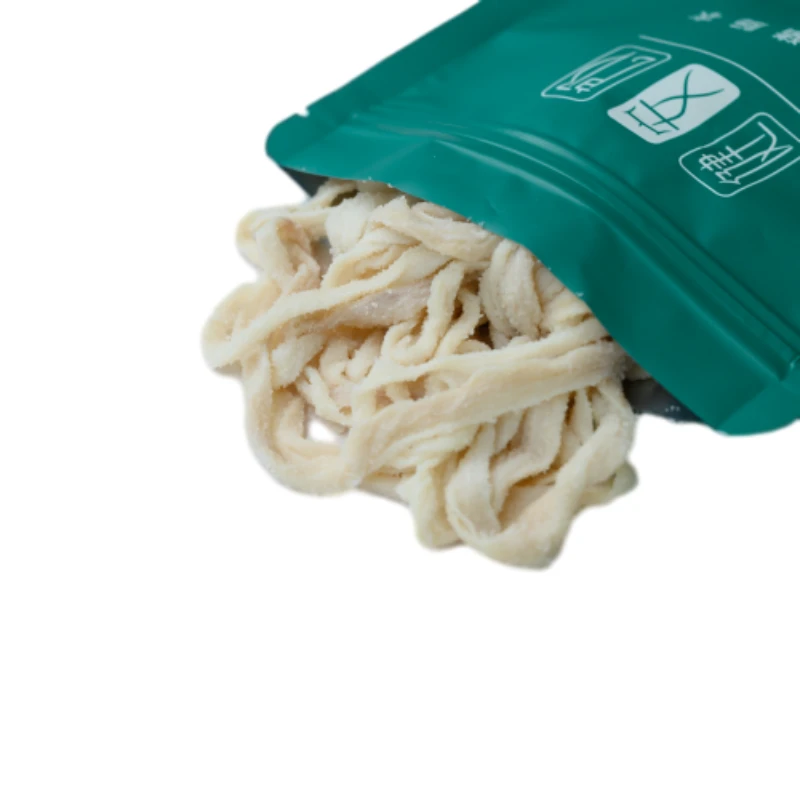
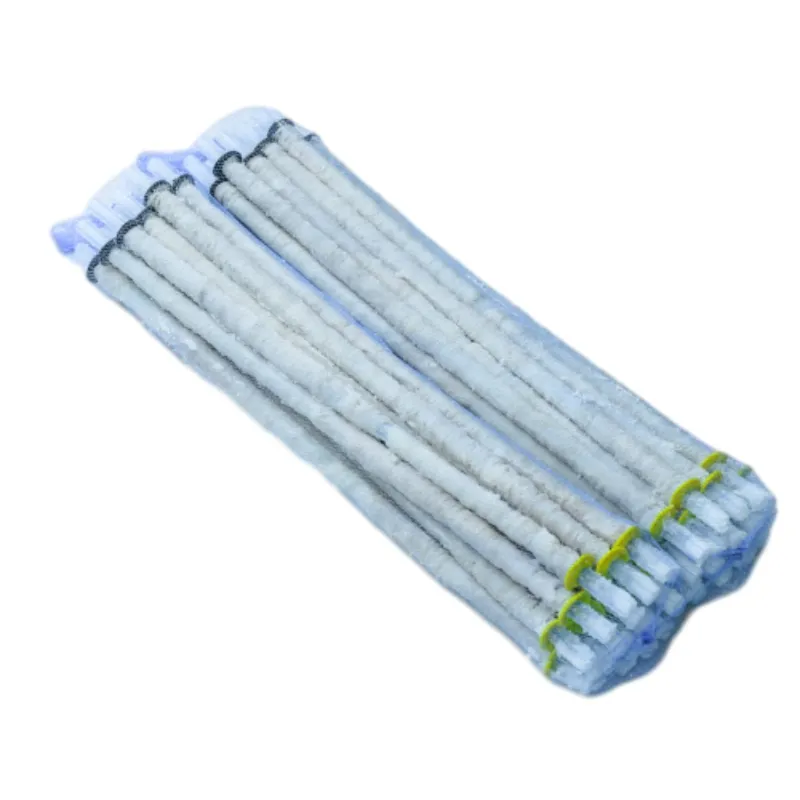
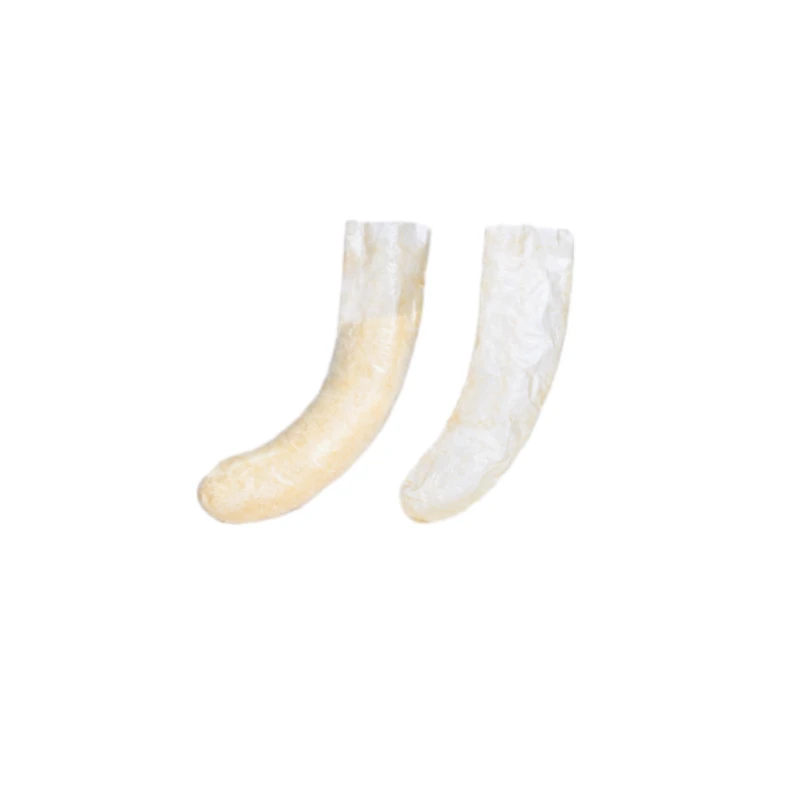
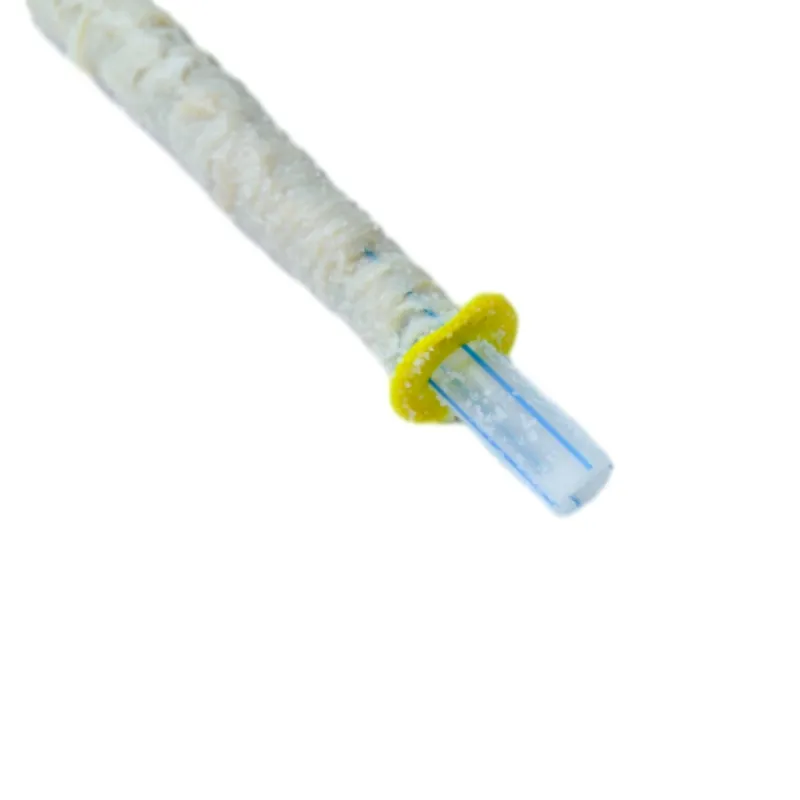
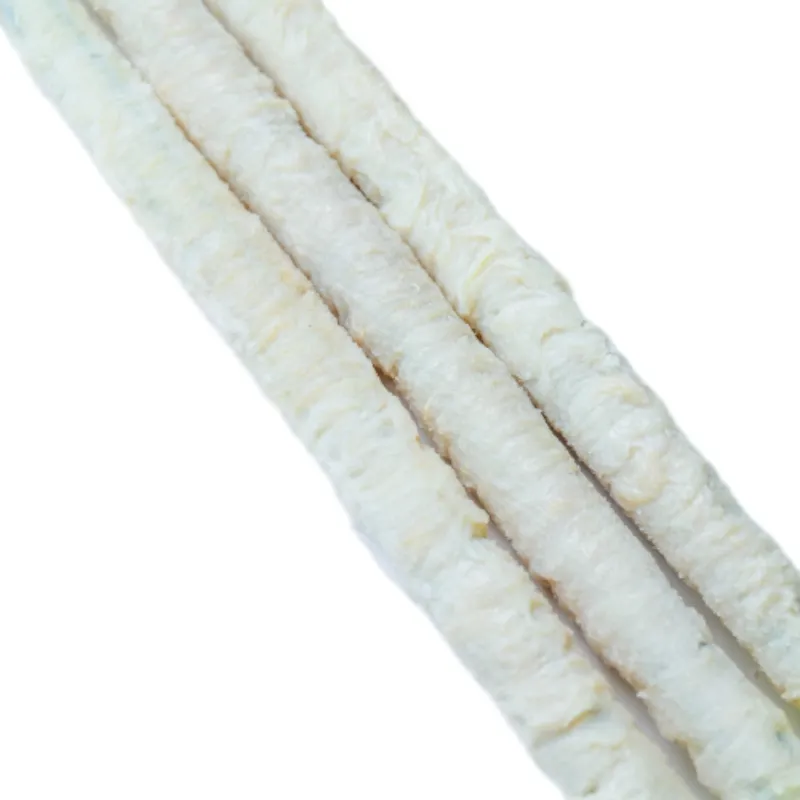
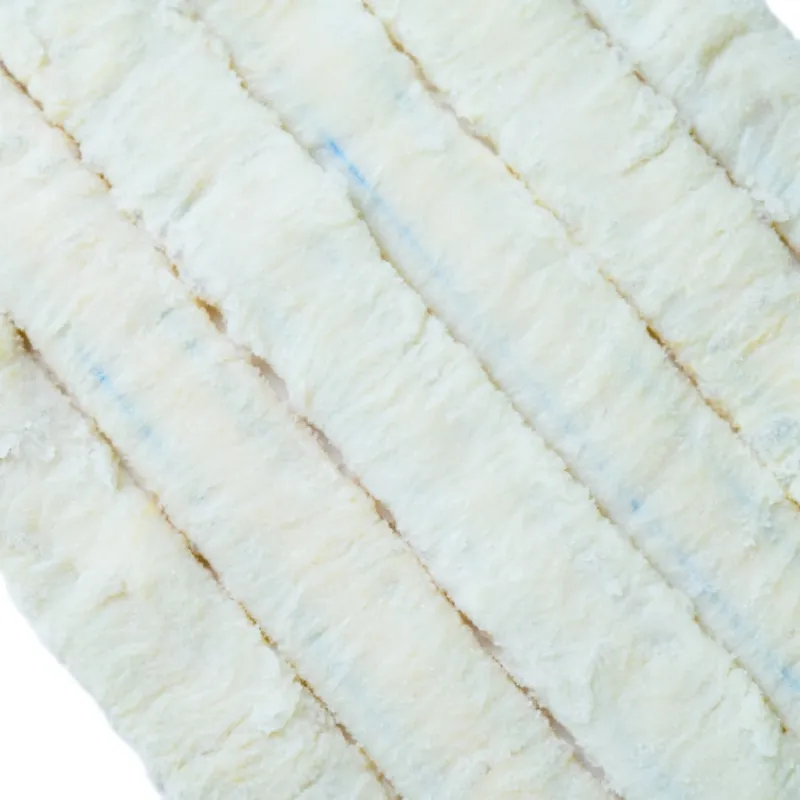
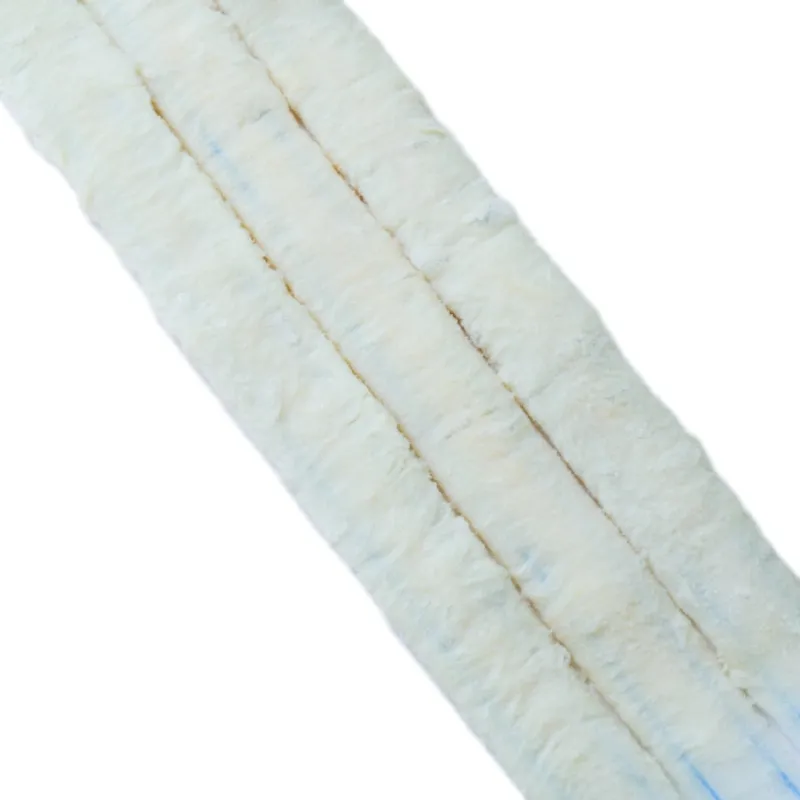
Product Name: Salted Hog Casings. Source material: cleaned, calibrated pig intestines (submucosa). Format: hanks or pre-tubed. Why it matters: they twist well, breathe smoke, and hold juiciness without that “plastic bite.” Many customers say uniform caliber is improving, surprisingly even at entry price tiers.
| Spec | Typical Range (≈, real-world use may vary) |
|---|---|
| Caliber (mm) | 28–30, 30–32, 32–35, 35–38 |
| Length per hank | ≈ 90 m (300 ft) |
| Burst strength | ≈ 1.0–1.4 bar (hydrated, calibrated) |
| Salt content / aw | Heavy salt pack; low aw for shelf stability |
| Shelf life | Up to 24 months in salt at 4–20°C; keep sealed |
| Formats | Green hanks, pre-tubed strings for high-speed stuffing |
Process flow, testing, and standards
Materials: fresh hog intestines sourced from approved slaughterhouses. Methods: stripping, flushing, de-fatting, fermentation/enzymatic cleaning, calibration on mandrels, grading, heavy salting, packing. Quality gates: pinhole and leak detection by water inflation; visual sort for scars; caliber tolerance checks; microbial baselines (TPC typical target ≤10³ cfu/g on rehydration samples). Certifications seen in this category include HACCP, ISO 22000, Halal, and sometimes BRCGS Food Safety. Compliance references: EU 853/2004, USDA FSIS casings guidance, and Codex hygienic practice for meat.
Where they shine
- Fresh sausage: bratwurst, Italian, longaniza—fast twist, low blowouts.
- Smoked/cooked: kielbasa, andouille; smoke uptake is excellent.
- Regional specialties: chorizo, lap cheong (when size fits), BBQ links.
Customer feedback: “Caliber uniform, fewer smears on our 2,000 kg/day line.” Another buyer mentioned “snappier bite vs. collagen, better color set.” I guess that matches what we see in trials.

Vendor comparison (real-world purchasing notes)
| Vendor | Strengths | Notes |
|---|---|---|
| RT Casing (Salted Hog Casings) | Consistent calibers, competitive pricing, solid pinhole QC | Origin: Hebei, China; good lead times for pre-tubed |
| DAT-Schaub | Global sourcing, wide caliber catalog | Premium pricing; strong QA documentation |
| DeWied International | Well-known US distribution, steady freshness | Availability varies by season/caliber |
Customization, service life, and handling
Options include custom caliber mixes, extra-long hanks for industrial stuffers, and tighter grade tolerances. Service life is up to two years in salt; once desalted/hydrated, use within 48 hours and keep chilled. Rinse, soak in cool water 30–60 minutes (some add ≈1% vinegar for bloom), then run a final internal flush. It seems basic, but hydration time is the main variable behind blowout complaints.
Mini case studies
Craft butcher (Midwest): switched to Natural Hog Casings For Sale in 30–32 mm, reported 6–8% faster linking and a noticeable “pop” in hot holds. Export-focused plant (SEA): pre-tubed 32–35 mm cut smokehouse time by ≈5% thanks to better drying and uniform diameters. Not earth-shattering, but in sausage economics, those points add up.

Bottom line: for operators chasing clean label texture and reliable throughput, Natural Hog Casings For Sale—especially salted, well-graded lots—remain the benchmark. If you’re auditing suppliers, ask for microbial trend data, burst tests by caliber, and proof of HACCP/ISO 22000. Then run a plant trial. Your stuffer won’t lie.
Authoritative references
- EU Regulation (EC) No 853/2004 – Specific hygiene rules for food of animal origin.
- USDA FSIS – Compliance Guidelines for Meat and Poultry Jerky and Natural Casings Handling.
- Codex Alimentarius – Code of Hygienic Practice for Meat (CAC/RCP 58-2005).
- ISO 22000:2018 – Food safety management systems requirements.
- BRCGS Food Safety, Issue 9 – Global Standard for Food Safety.