okt . 20, 2025 10:51
how to use dry sausage casing,dried hog casing,dried hog casings,dried sausage casing,dried sausage casings is a key solution in the food industry industry, specifically within Meat processing and Edible casing. This article explores how RUNTAI (HEBEI)CASING CO.,LTD. supports professionals with durable, high-performance products, and explains why this product is an ideal choice for businesses in these sectors.
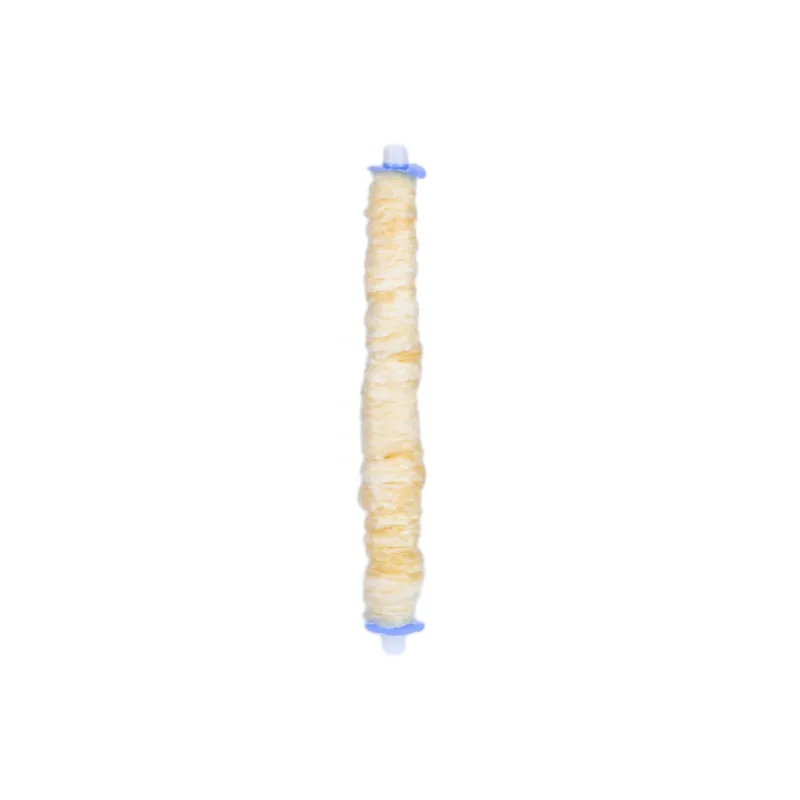
Table of Contents
- how to use dry sausage casing,dried hog casing,dried hog casings,dried sausage casing,dried sausage casings Overview
- Benefits & Use Cases of how to use dry sausage casing,dried hog casing,dried hog casings,dried sausage casing,dried sausage casings in Edible casing
- Cost, Maintenance & User Experience
- Sustainability & Market Trends in food industry
- Conclusion on how to use dry sausage casing,dried hog casing,dried hog casings,dried sausage casing,dried sausage casings from RUNTAI (HEBEI)CASING CO.,LTD.
how to use dry sausage casing,dried hog casing,dried hog casings,dried sausage casing,dried sausage casings Overview
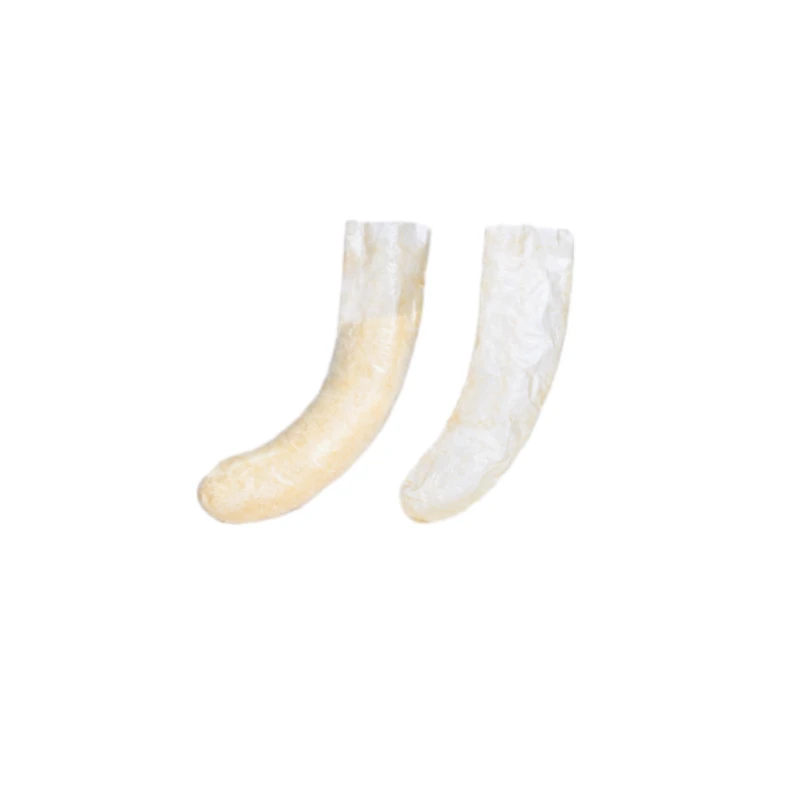
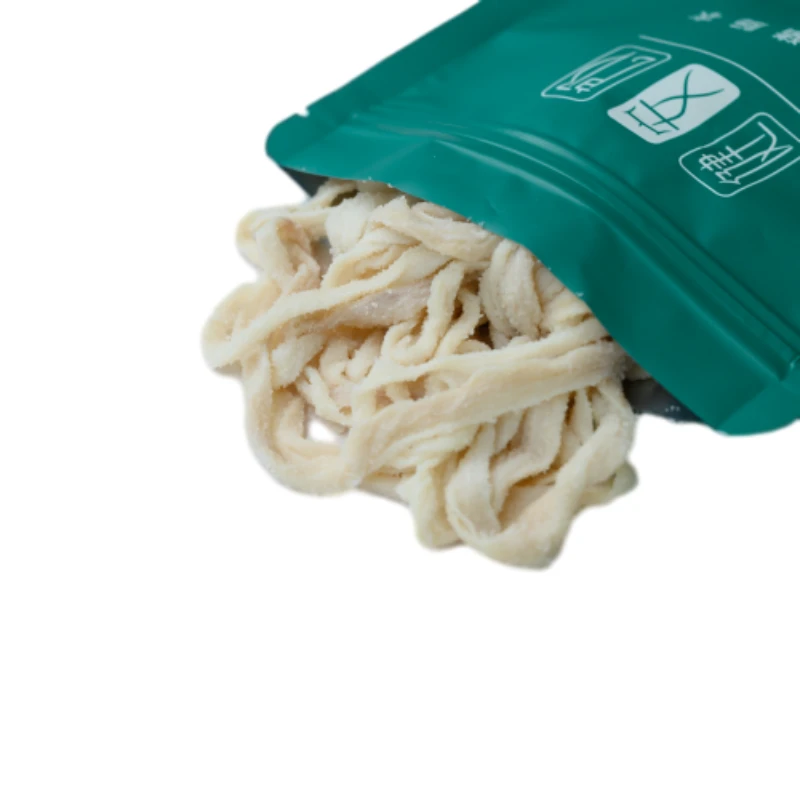
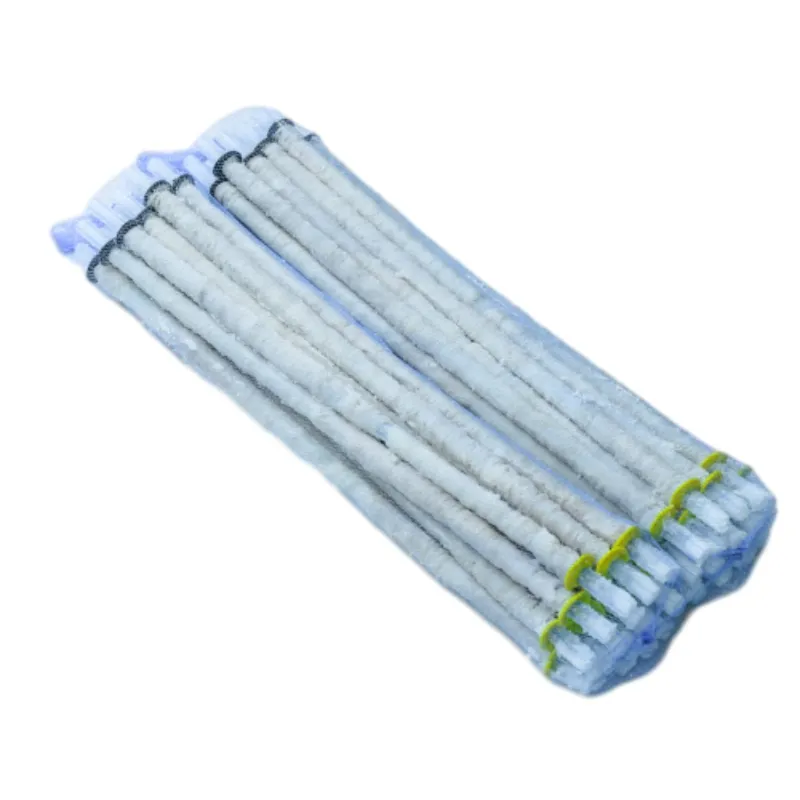
Dried hog casings—also called dried sausage casings—are natural, dehydrated hog intestines prepared for long shelf life, easier transport, and reliable performance in sausage production. Compared with traditional salted casings, dried hog casing formats reduce storage footprint, minimize brine handling, and simplify staging on the stuffing line. Typical calibers range from 28/30 to 38/40, packed in hanks for consistent lengths and throughput. For B2B decision makers running fresh, smoked, or dry-cured programs, these casings offer an efficient, clean-label solution that preserves “snap,” aroma, and traditional appearance.
RUNTAI (HEBEI)CASING CO.,LTD. is a specialized manufacturer with deep expertise across selection, cleaning, calibration, drying, and final inspection. Their process prioritizes strength, elasticity, and uniform caliber—key drivers of yield and brand consistency. In practice, learning how to use dry sausage casing is straightforward: rehydrate, flush, and load for stuffing like conventional natural casings, with predictable linking and low burst rates. Technical support from RUNTAI helps processors fine-tune soak times and temperatures for different products and stuffing environments. The result is dependable performance across high-speed lines as well as artisanal batches.
Benefits & Use Cases of how to use dry sausage casing,dried hog casing,dried hog casings,dried sausage casing,dried sausage casings in Edible casing
Dried hog casings are versatile across fresh sausages (bratwurst, breakfast links), smoked products (kielbasa), and fermented or semi-dry items (snack sticks, traditional dry sausages). Their natural permeability supports even smoke penetration and controlled moisture loss—critical to flavor development and food safety. Operators value the familiar “bite” and artisanal look that consumers associate with premium, minimally processed foods.
Key advantages include long ambient shelf life in sealed packs, reduced freight weight versus salted alternatives, and simplified storage logistics. Uniform calibers contribute to portion control and predictable cook times, while strong, elastic walls reduce blowouts and rework. For teams standardizing SOPs, dried sausage casings offer repeatability: consistent soak behavior, smooth horn loading, and clean linking on automated or semi-automated equipment.
RUNTAI (HEBEI)CASING CO.,LTD. backs these benefits with stable sourcing, rigorous sorting, and calibrated drying. Their technical team advises on casing selection by recipe and throughput goals—whether you need 28/30 for snack formats or 34/36 for robust grillers. With dried hog casings, processors can scale seasonal runs quickly, maintain line efficiency, and meet private-label standards without compromising sensory quality.
Cost, Maintenance & User Experience
Total cost of ownership improves with dried sausage casing formats thanks to lower shipping mass, compact storage, and reduced labor handling brine. Processors also report fewer waste losses due to breakage when hydration is optimized, supporting higher effective yields. A typical workflow involves a short soak in warm potable water (about 30–35°C) for 30–45 minutes, a quick flush, and immediate loading—no extensive desalting steps or brine disposal.
User feedback highlights smoother startup on the stuffing horn, reliable linking, and consistent cook/smoke outcomes. Maintenance is minimal: store sealed packs in a cool, dry place; once opened, keep unused casings protected from air to avoid overdrying. Teams that standardize “how to use dry sausage casing” with clear SOPs often see reduced training curves and faster changeovers between calibers. Over time, these gains translate into improved ROI, especially for operations running multiple SKUs across fresh and smoked programs. RUNTAI’s application support further reduces troubleshooting time, helping QA, production, and procurement align on performance KPIs.
Sustainability & Market Trends in food industry
As natural, edible by-products, dried sausage casings support circularity by valorizing parts of the animal that might otherwise be underutilized. Dehydrated formats lower transport emissions per functional unit by removing water weight, and compact packaging reduces storage energy intensity. In parallel, regulators and retailers continue to elevate requirements around traceability, hygiene, and allergen control. Natural casings align with clean-label and heritage positioning while meeting modern expectations for documented quality systems (e.g., HACCP- and ISO-based programs) and robust supplier audits.
Market growth in premium sausages, regional specialties, and high-protein snacks is sustaining demand for dried hog casings with consistent caliber and performance. RUNTAI (HEBEI)CASING CO.,LTD. invests in process controls, supplier partnerships, and data-driven quality checkpoints to future-proof supply. Their focus on material efficiency and technical guidance helps producers meet sustainability goals without sacrificing throughput or consumer experience—critical as retailers expand private-label premium lines and export markets tighten specifications.
Conclusion on how to use dry sausage casing,dried hog casing,dried hog casings,dried sausage casing,dried sausage casings from RUNTAI (HEBEI)CASING CO.,LTD.
Dried hog casings deliver the natural bite, permeability, and appearance consumers love, with the operational advantages B2B processors require. From simpler storage to consistent stuffing and linking, dried sausage casings streamline workflows and improve yields. With RUNTAI (HEBEI)CASING CO.,LTD. as your partner, you gain reliable sourcing, calibrated quality, and responsive technical support—all anchored to rigorous food safety practices.
Contact us: email: runtaicasings@163.com
Visit our website: https://www.rtcasing.com | Product page: Szárított sertésbél