okt . 20, 2025 10:50
how to use dry sausage casing is a key solution in the food industry industry, specifically within Meat processing and Edible casing. This article explores how RUNTAI (HEBEI)CASING CO.,LTD. supports professionals with durable, high-performance products, and explains why this product is an ideal choice for businesses in these sectors.
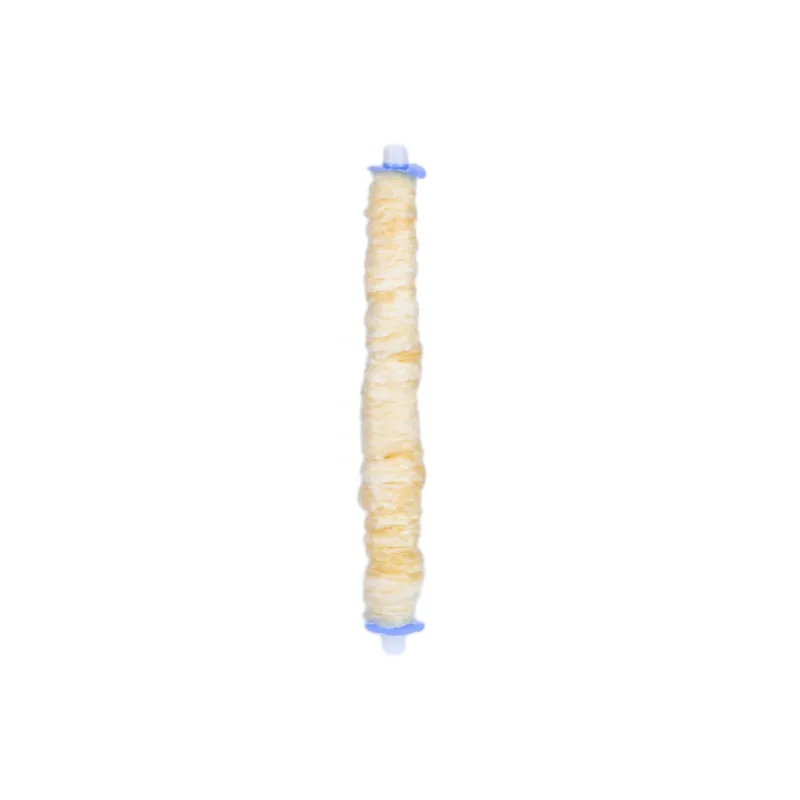
Table of Contents
- how to use dry sausage casing Overview
- Benefits & Use Cases of how to use dry sausage casing in Edible casing
- Cost, Maintenance & User Experience
- Sustainability & Market Trends in food industry
- Conclusion on how to use dry sausage casing from RUNTAI (HEBEI)CASING CO.,LTD.
how to use dry sausage casing Overview
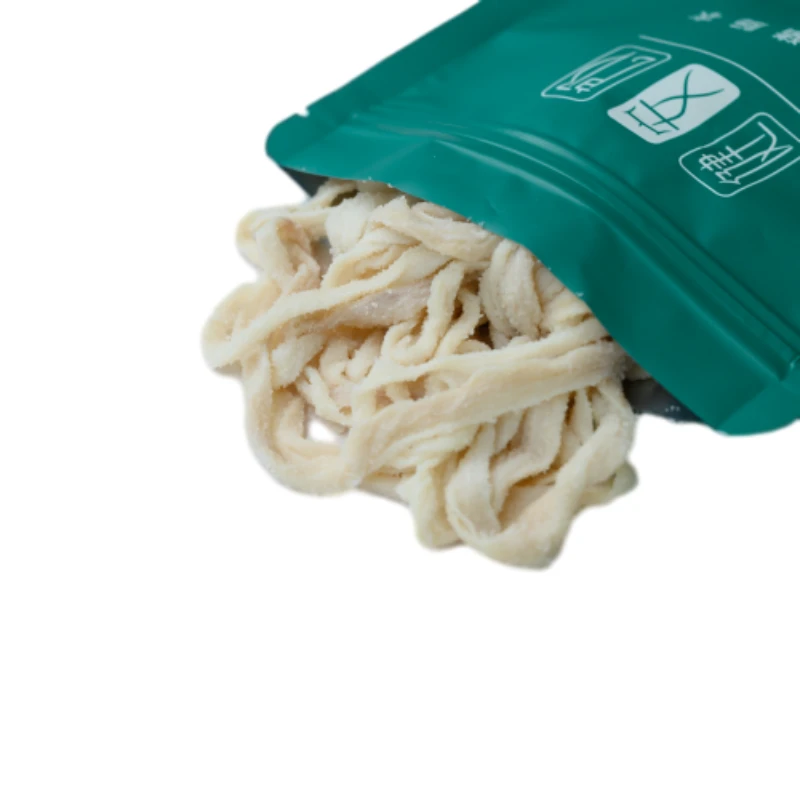
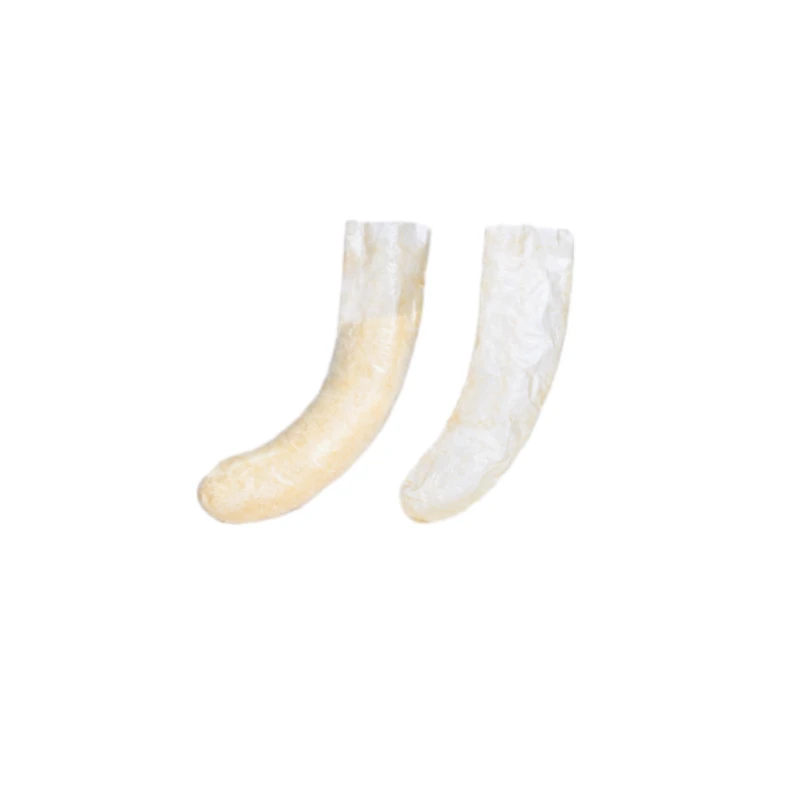
In commercial charcuterie, understanding how to use dry sausage casing is essential to achieving consistent texture, yield, and shelf stability. Dry (dehydrated) natural casings—often referred to as dried hog casing or dried sausage casings—are traditional hog intestines that have been cleaned, salted, and carefully dehydrated for long-term ambient storage. Compared with wet salted variants, dried hog casings reduce logistics costs and are ready to hydrate on demand, making them ideal for plants with variable production schedules.
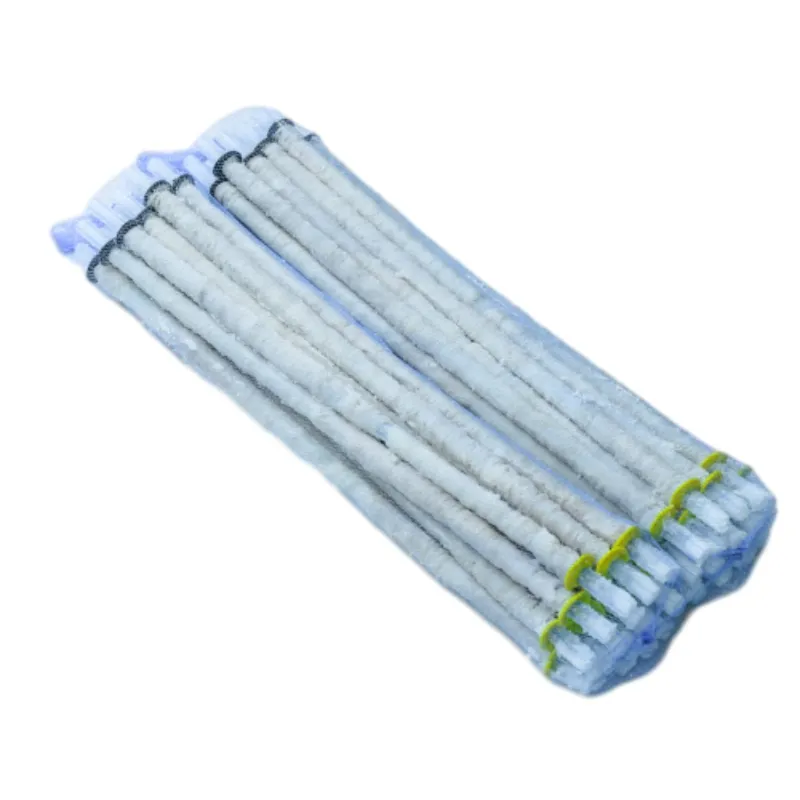
Typical specifications include popular calibers such as 28/30, 30/32, 32/35, 35/38, and 38/40 mm, supplied as hanks or pre-tubed sets to accelerate loading. After rehydration, casings deliver the hallmark “snap,” smoke permeability, and mold adhesion that dry-cured and smoked sausages require. RUNTAI (HEBEI)CASING CO.,LTD., a specialist in edible casings, manufactures and grades dried sausage casing with stringent quality controls and lot traceability to support HACCP programs. Their dried hog casings are designed for reliable stuffing performance across high-speed lines and artisan setups alike. Explore product details here: https://www.rtcasing.com/dried-hog-casing.html.
Benefits & Use Cases of how to use dry sausage casing in Edible casing
Dry hog casings are preferred for fermented salami, pepperoni, chorizo, and smoked/air-dried specialties because they breathe. Their natural permeability supports moisture loss, smoke uptake, and the development of desired surface microflora. Knowing how to use dry sausage casing properly ensures fewer burst rates and tighter caliber control. Key steps include: 1) remove from packaging; 2) soak 30–60 minutes in clean, warm water at 25–35°C; 3) refresh water once and gently flush the inside; 4) load onto the stuffing horn (pre-tubed options simplify this); 5) stuff evenly and link with consistent tension; 6) ferment, smoke, and dry per your validated process parameters.
RUNTAI (HEBEI)CASING CO.,LTD. offers dried sausage casings that are selected for uniform wall strength and calibrated diameters, reducing variability on the line. Advantages include dependable bite, attractive wrinkling during dry-down, and compatibility with both manual and automated linking systems. For processors optimizing throughput, RUNTAI’s pre-tubed dried hog casings shorten setup time and lower labor touches—ideal for multi-SKU operations and seasonal peaks. View images and specs on the product page: https://www.rtcasing.com/dried-hog-casing.html.
Cost, Maintenance & User Experience
Total cost of ownership with dried sausage casings is compelling for B2B buyers. Because casings are preserved by dehydration and salt, they store at ambient conditions in a dry place—no brine barrels, no cold-chain freight. Plants often report freight and storage savings versus wet salted alternatives, plus lower shrink from brine loss. Proper hydration prevents brittleness, resulting in fewer splits and rework. Shelf life is typically 18–24 months unopened; always follow supplier guidance for lot-specific best-before dates and storage conditions.
Feedback from medium and large processors indicates that, once standard operating procedures for how to use dry sausage casing are adopted, defect rates drop and changeovers speed up—especially with pre-tubed formats. RUNTAI (HEBEI)CASING CO.,LTD. supports customers with calibration data, recommended soaking protocols, and batch certificates, helping QA teams validate incoming materials quickly. The result is a predictable ROI anchored by reduced logistics costs, stable yields, and consistent product aesthetics on retail pegs and foodservice platters.
Sustainability & Market Trends in food industry
Natural casings are a circular-economy material: a valuable by-product of responsible meat processing, they are edible, biodegradable, and align with clean-label expectations. Market growth in premium charcuterie, regional specialties, and better-for-you claims continues to favor natural, breathable casings over synthetics for authenticity and sensory appeal. Regulatory frameworks (HACCP, FSIS/EU hygiene packages, and retailer-driven GFSI schemes) emphasize traceability and sanitation—areas where documented supplier controls make a measurable difference to risk management.
RUNTAI (HEBEI)CASING CO.,LTD. positions its dried hog casings within this sustainability and compliance landscape by prioritizing rigorous cleaning standards, careful dehydration, and packaging that protects integrity while minimizing waste. The company’s technical team can advise on water usage for soaking, optimized casing utilization, and process parameters that help reduce product loss during fermentation and drying. Choosing high-quality dried sausage casings is not only a production decision—it’s a brand decision that supports provenance, texture, and the naturally satisfying bite consumers expect.
Conclusion on how to use dry sausage casing from RUNTAI (HEBEI)CASING CO.,LTD.
Mastering how to use dry sausage casing unlocks efficiency, consistent caliber control, and the authentic eating quality demanded in premium meat processing. RUNTAI (HEBEI)CASING CO.,LTD. delivers dried hog casings engineered for reliability, with technical support that helps B2B operations scale confidently. From soaking guidance to caliber selection and pre-tubed options, the company is a trusted partner for edible casing performance. Contact us: email: runtaicasings@163.com — Visit our website: https://www.rtcasing.com