9월 . 10, 2025 10:07
Sausage production is both a time-honored culinary tradition and a modern commercial industry. Central to the success of any sausage product—whether made by artisan butchers or mass-market manufacturers—is the quality and performance of the casing. While synthetic alternatives have their place in certain markets, the authentic character and sensory appeal of natural casings remain unmatched. As consumer demand continues to lean toward transparency, tradition, and taste, the role of natural casings for sale becomes even more prominent. Their composition, preservation, and application significantly influence product outcome, operational efficiency, and customer satisfaction.
Understanding the Value of Natural Casings
In today's meat processing landscape, the resurgence of appreciation for natural ingredients extends to sausage making. This resurgence is driven not only by flavor preferences but also by market trends that prioritize minimally processed foods. Natural casings, derived primarily from the intestines of sheep or hogs, offer distinct advantages in texture, elasticity, and cooking performance. They provide that characteristic snap when bitten—a hallmark of well-crafted sausages—which synthetic options often fail to deliver.
When sourcing natural casings for sale, manufacturers must evaluate critical factors such as the integrity of the membrane, the method of preservation, and the overall cleanliness. Properly processed casings maintain elasticity and strength, ensuring they do not rupture during stuffing or cooking. Additionally, natural casings accommodate the gradual smoking and curing processes better than artificial ones, which is vital for sausages that undergo long drying periods or are exposed to fluctuating humidity and temperatures.
Preservation Techniques and the Role of Salted Casings
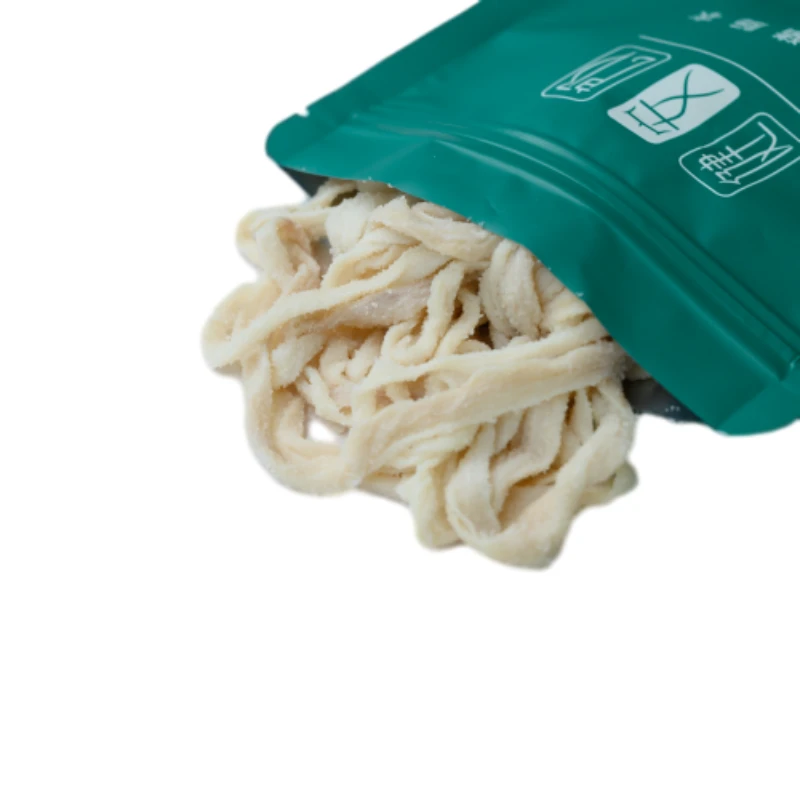
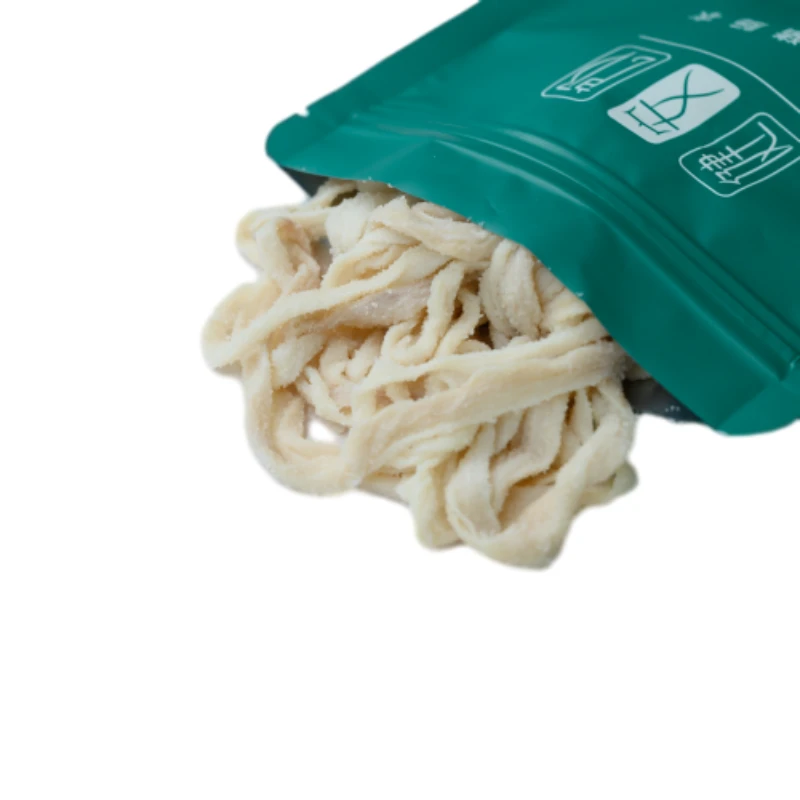
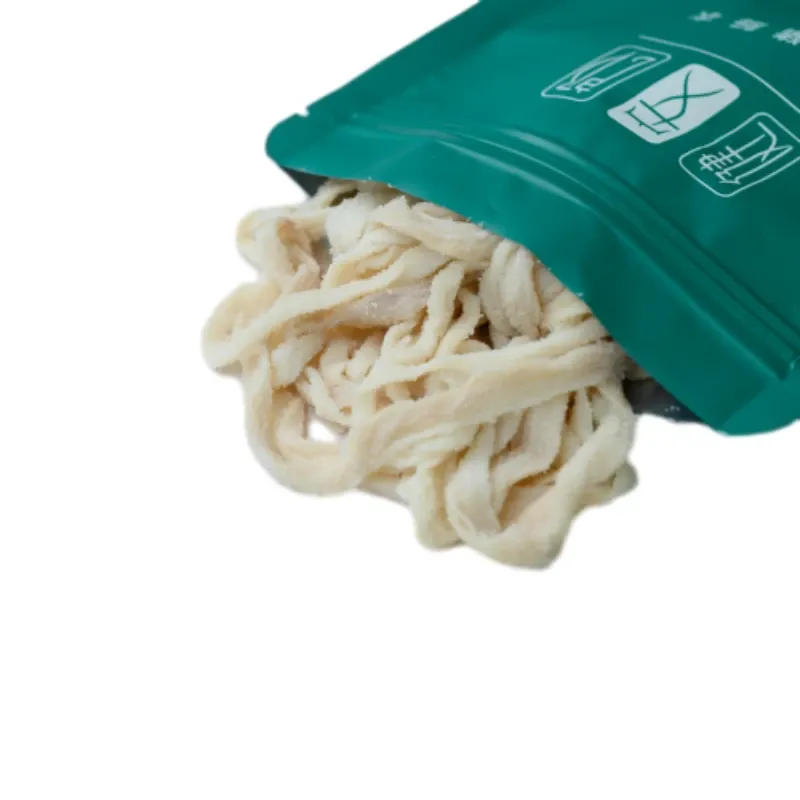
Preservation is essential in maintaining the quality and usability of natural sausage casings, and among the most effective methods is salting. The use of salted casings ensures long shelf life, inhibits bacterial growth, and keeps the casings pliable for immediate use after rinsing and soaking. Salt acts as both a preservative and a mild disinfectant, allowing processors to store large volumes of casings without refrigeration for extended periods.
There are two dominant forms in which salted casings are available: dry-salted and brine-packed. Dry-salted casings are layered with salt and stored in sealed containers, requiring thorough rehydration before use. Brine-packed versions, on the other hand, are immersed in a saltwater solution, maintaining their flexibility and reducing prep time. The choice between these methods depends on production scale, turnaround time, and preferred operational workflow. Regardless of type, consistency in salting contributes directly to reliable casing quality and minimizes wastage during production.
Evaluating Quality Natural Casing for Performance and Reliability
Not all casings are created equal. The term quality natural casing denotes more than just the absence of defects; it involves a comprehensive assessment of texture, strength, uniformity, and processing standard. Reliable suppliers typically offer casings that have been cleaned, inspected, graded by diameter, and sorted into premeasured bundles for convenience. These standards are particularly important for manufacturers looking to streamline their stuffing operations while ensuring the final product meets customer expectations.
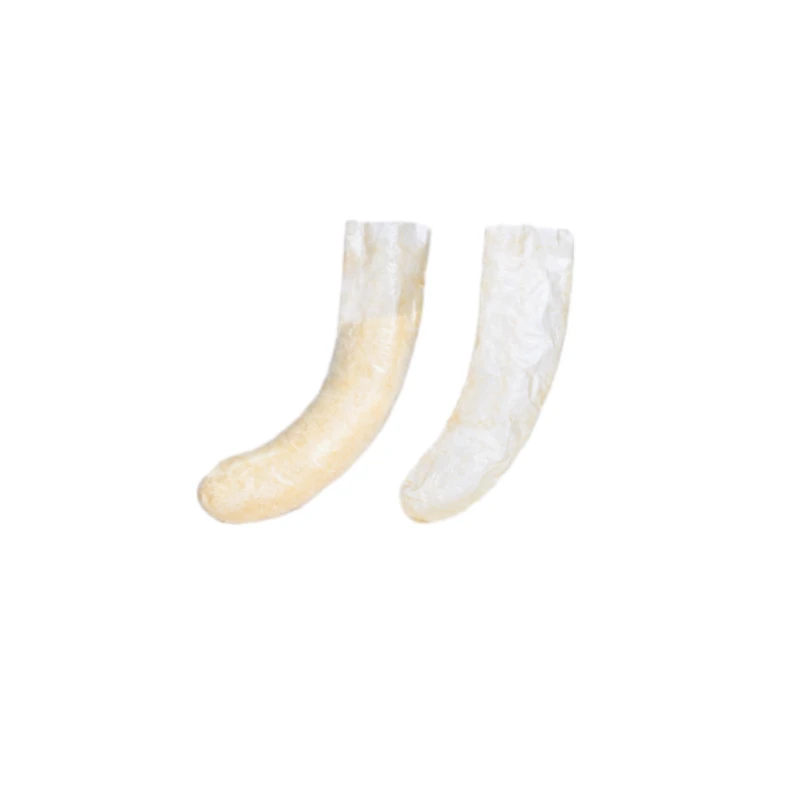
Casings that meet the benchmark of quality natural casing will exhibit consistent diameter, ideal translucency, and sufficient tensile strength. In addition to aesthetics, they contribute to efficient production: uniformity in size ensures sausages cook evenly, present better visually, and conform to packaging standards. Furthermore, natural casings adapt to various cooking techniques, from dry-curing and smoking to boiling and grilling, maintaining structural integrity and enhancing flavor absorption. This flexibility is especially crucial in culinary environments where regional sausage styles demand specific preparation methods and product characteristics.
Streamlining Production with Sausage Tubes
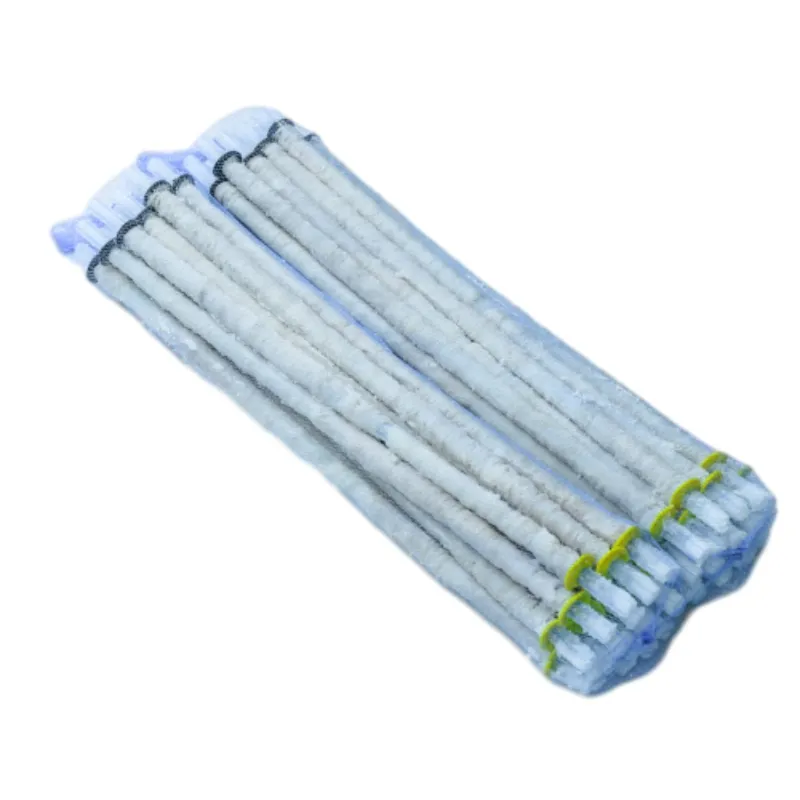
As food processors seek to scale operations while preserving artisanal quality, innovations in casing application have emerged. Among these, sausage tubes—commonly known as tubed casings—have transformed the way natural casings are handled and applied. These pre-threaded casings are placed on plastic tubes that fit directly onto stuffing equipment, eliminating the need for manual threading and reducing contamination risks during production.
Sausage tubes enhance speed and hygiene in high-throughput environments. They are especially advantageous when working with delicate sheep casings, which can be challenging to handle due to their smaller diameter and fragile structure. Tubed casings also allow for uniform stuffing, minimizing air pockets and irregular shapes, which are common quality concerns in sausage manufacturing. By adopting tubed natural casings, producers can meet both artisan standards and industrial volume demands, without compromising on quality or tradition.
Natural Casings for Sale FAQs
What is the difference between salted and unsalted natural casings?
Salted natural casings are preserved using dry salt or brine, significantly extending their shelf life and making them more practical for long-term storage and global distribution. Unsalted casings, in contrast, are perishable and require immediate use or refrigeration. The salting process also helps clean the casings and improves their pliability when soaked, making salted casings more reliable for commercial use.
How do I store natural casings to maintain quality?
For optimal longevity and performance, natural casings should be kept in a cool, dark environment and always stored in salt. If you purchase natural casings for sale in salted form, keep them sealed in airtight containers and re-salt them as needed after each use. Casings can typically be stored for up to one year if properly preserved, but always check for odor, texture, and color before application.
What characteristics define a quality natural casing?
A quality natural casing will display consistent diameter, good elasticity, a neutral odor, and resistance to tearing during stuffing and cooking. It should be translucent and free from blemishes or excessive fat. High-quality casings also come pre-sorted and cleaned, offering time-saving benefits to manufacturers and culinary professionals alike.
Are sausage tubes suitable for home use or only for industrial production?
Though sausage tubes are most commonly used in commercial settings, they are increasingly available in retail packages designed for home sausage makers. Their ease of use makes them ideal for beginners or small-batch producers, as they eliminate the hassle of threading slippery casings onto stuffing horns. For hobbyists seeking precision and cleanliness, tubed casings offer professional-grade advantages.
Do natural casings impact the flavor of the sausage?
Yes, natural casings play a significant role in both texture and flavor development. During smoking or drying, they allow moisture to escape while absorbing flavors from smoke or spices. Unlike artificial casings, they do not impart off-notes and instead contribute to a more authentic bite and mouthfeel. For premium products, selecting quality natural casing ensures the sausage retains traditional characteristics favored by discerning consumers.