Set . 10, 2025 10:10
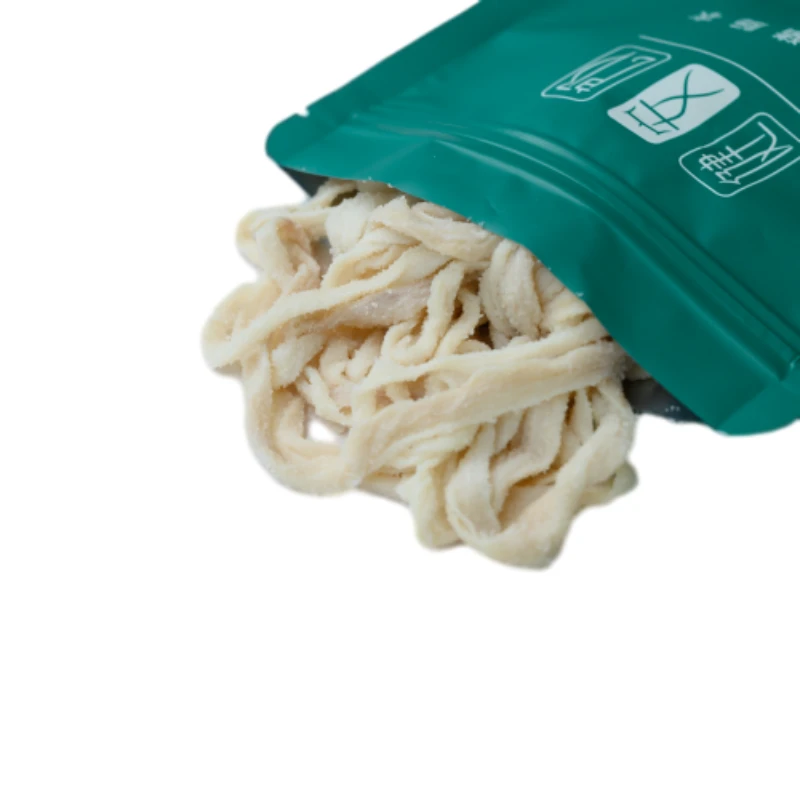
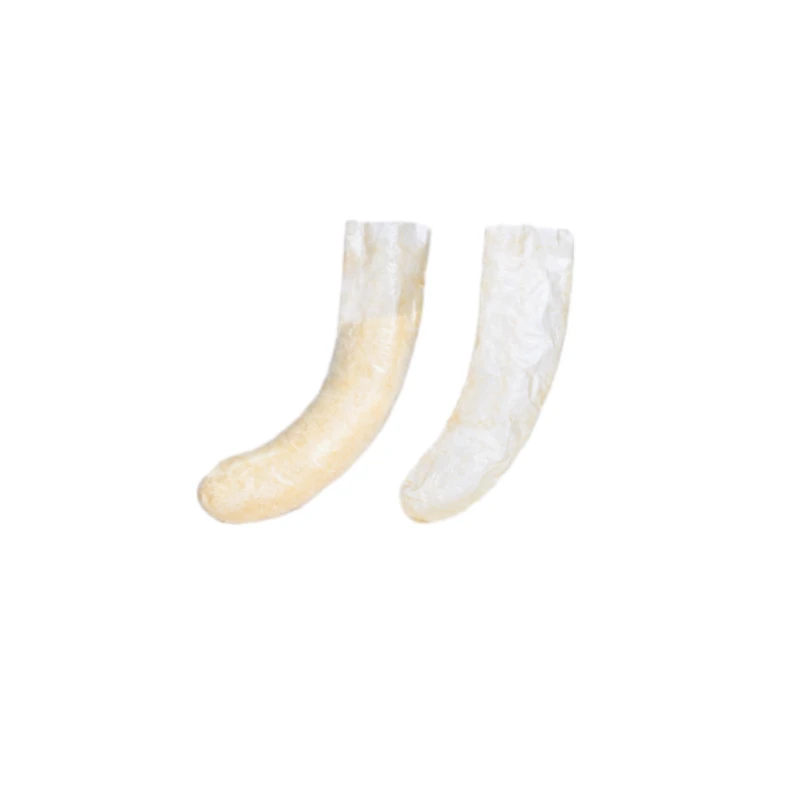
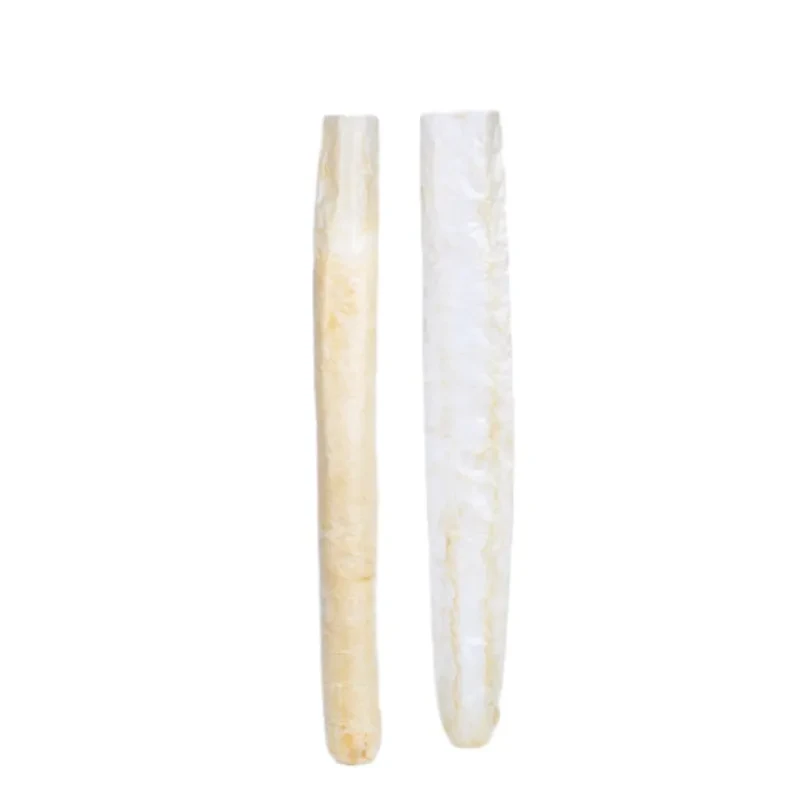
In the global sausage production industry, the choice of casing significantly influences not only the product’s final appearance and texture but also the overall production efficiency. Among the various options available, dried hog casings have emerged as a practical, reliable, and highly sought-after solution for both traditional and industrial sausage manufacturers. Combining the heritage of natural materials with modern processing advantages, they deliver exceptional value by preserving authentic taste and ensuring ease of use in contemporary production environments.
Understanding the Appeal of Dried Casings
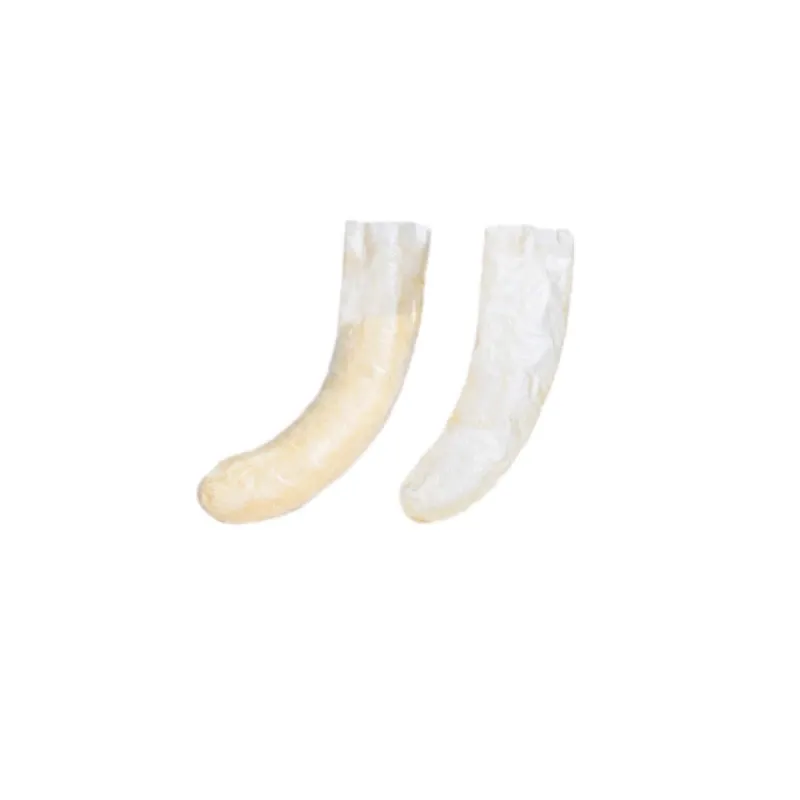
The core advantage of dried sausage casings lies in their enhanced shelf stability and reduced logistical requirements. Unlike wet-packed casings that demand refrigeration and special handling, dried hog casings undergo a specialized drying process that significantly extends their shelf life. This results in lower storage and transportation costs, especially beneficial for businesses operating in diverse geographic markets or under strict logistical constraints. The ability to store them for extended periods without degradation makes them an excellent inventory item, especially for producers seeking flexibility in their supply chains.
Beyond their storage benefits, the drying process also ensures better hygiene control. Since dried casings are less prone to microbial contamination, manufacturers can maintain higher food safety standards. This added layer of assurance is particularly vital for exporters and large-scale processors who must comply with stringent international health regulations.
Advantages of Tubed and Pre-Threaded Dry Casings
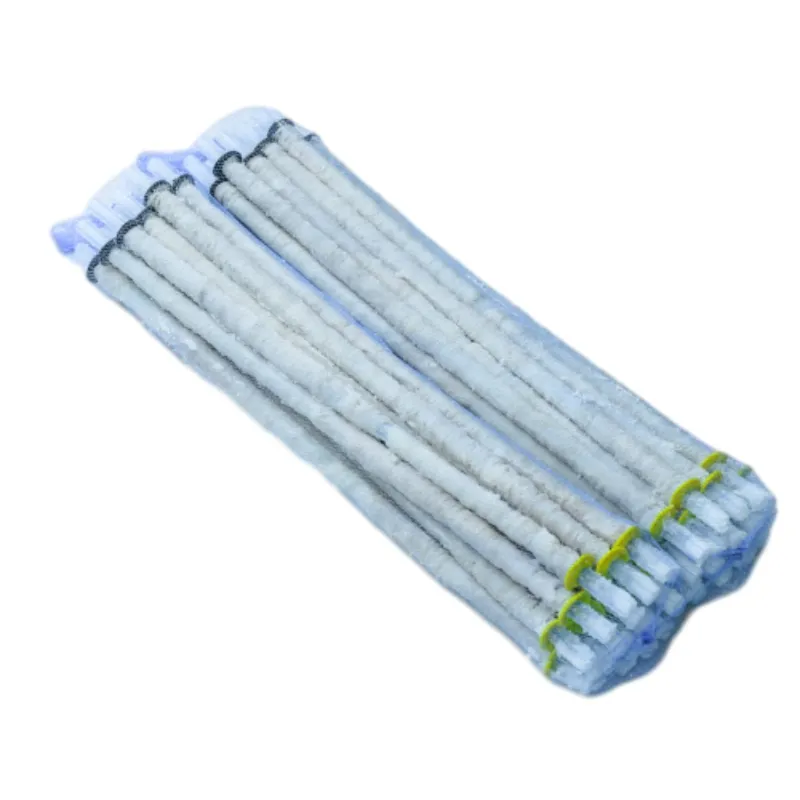
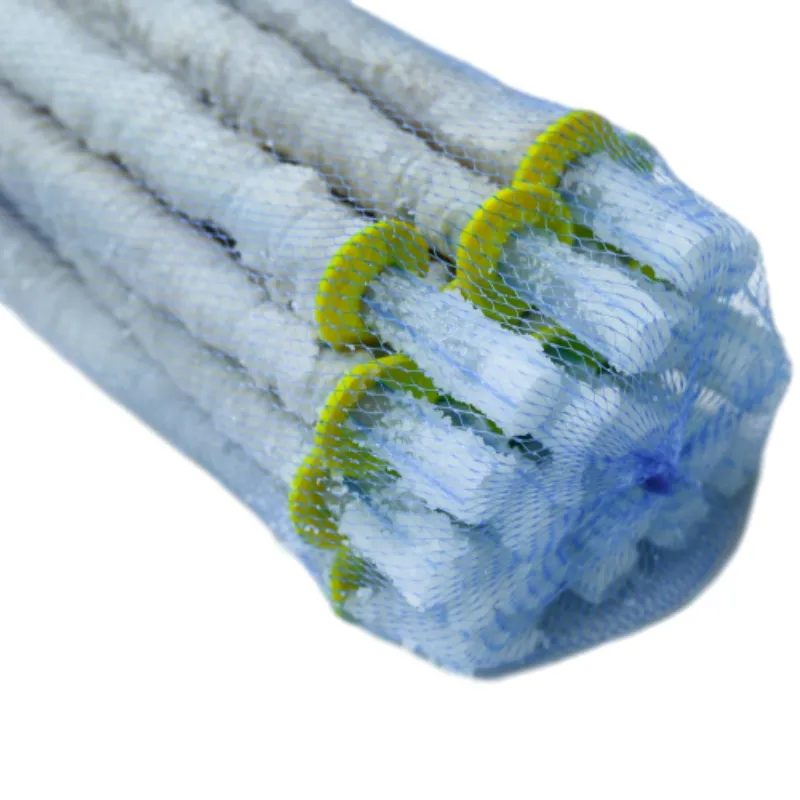
One of the standout innovations in this category is the introduction of tubed and pre-threaded dry casing formats. These casings are carefully threaded onto plastic tubes, enabling seamless application on stuffing equipment. By minimizing manual handling and reducing preparation time, tubed casings significantly improve production speed and reduce labor costs. This is especially advantageous in high-volume facilities where time efficiency directly correlates with profitability.
Moreover, the uniform sizing and pre-threaded nature of these casings eliminate the inconsistencies that can occur during manual casing preparation. This helps ensure that the sausages are consistently shaped and sized, resulting in a professional, market-ready product. For artisanal producers, it provides a clean and polished appearance that meets premium quality standards; for industrial producers, it guarantees operational efficiency and consistent output.
In addition, tubed dried sausage casings enhance workplace hygiene. Since they are designed for minimal direct contact, the risk of cross-contamination is substantially reduced. This helps meet modern food safety protocols, especially important in facilities subject to routine audits and certifications.
Retaining Traditional Qualities with Modern Processing
While dried hog casings offer a modern, convenient alternative to traditional wet casings, they still retain all the essential qualities that define authentic sausage. The natural material ensures that familiar snap, bite, and mouthfeel—key attributes valued by discerning consumers—remain intact. For premium sausages, this element of tradition cannot be overlooked.
The use of natural hog casing also enhances flavor absorption during curing or smoking processes. Unlike synthetic alternatives, which may hinder flavor transfer, natural dried casings allow spices and smoke to permeate evenly, contributing to a richer, more complex taste profile. This feature is particularly important for regional sausage varieties where taste differentiation plays a central role in brand identity.
Whether used in fresh, smoked, or dry-cured sausage applications, dried hog casings deliver the sensory experience that both traditionalists and modern foodies appreciate. The ability to blend this sensory heritage with contemporary manufacturing practices is one of the main reasons these casings remain a top choice across diverse markets.
How to Use Dried Hog Casings Efficiently
Knowing come usare il budello di maiale essiccato effectively is key to maximizing their benefits. First, rehydration is required before stuffing. Typically, dried casings are soaked in lukewarm water for at least 30 minutes to one hour until they become pliable. Some producers prefer soaking them overnight for even better results, depending on the specific product needs.
After soaking, it's advisable to rinse the casing both inside and out to remove any residual salt or dust from the drying process. This improves the texture and ensures that the casing performs optimally during stuffing. Once rehydrated, these casings behave similarly to traditional wet-packed options, offering a smooth stuffing experience with minimal breakage.
For tubed casings, the process is even more streamlined. Because the casing is already aligned and supported by a plastic tube, it can be directly placed onto the stuffing horn, significantly reducing the time and skill required for setup. This feature is especially valuable in commercial kitchens or factories where throughput and labor efficiency are paramount.
Manufacturers should also consider maintaining a controlled soaking environment, as excessively hot water or extended soaking times can weaken the casings. By following best practices for handling and hydration, users can achieve consistently high-quality results while reducing waste.
Dried Hog Casings FAQs
What are the key benefits of using dried hog casings in sausage production?
The main advantages include extended shelf life, ease of storage, and lower transportation costs. Additionally, their enhanced hygiene, ease of use—especially when pre-threaded—and ability to retain traditional flavor and texture make them a preferred choice across many production scales.
Are dried casings as strong and elastic as traditional wet-packed casings?
Yes. Once rehydrated properly, dried hog casings perform comparably to wet-packed alternatives in terms of elasticity and strength. They can withstand high stuffing pressures and stretching without tearing, provided they are soaked thoroughly and handled correctly.
How do I prepare dried hog casings for use?
Rehydrate the casing by soaking it in warm water for at least 30 minutes to an hour. After soaking, rinse the inside and outside thoroughly. For best results, soak overnight in cold water if time allows. For tubed casings, you can mount them directly onto the stuffing horn for quicker application.
Can dried hog casings be used for all types of sausages?
Absolutely. They are suitable for fresh, smoked, and dry-cured sausage types. Whether you're producing bratwurst, chorizo, or salami, dried sausage casings provide the versatility and performance needed to meet various culinary standards.
What’s the difference between dry casing and synthetic alternatives?
Dry casing refers to natural casings that have been dried for longer shelf life, while synthetic casings are made from collagen, cellulose, or plastic. Natural dried casings offer superior flavor, texture, and consumer appeal, whereas synthetics may provide more uniformity but lack traditional characteristics.