Agu . 05, 2025 11:47
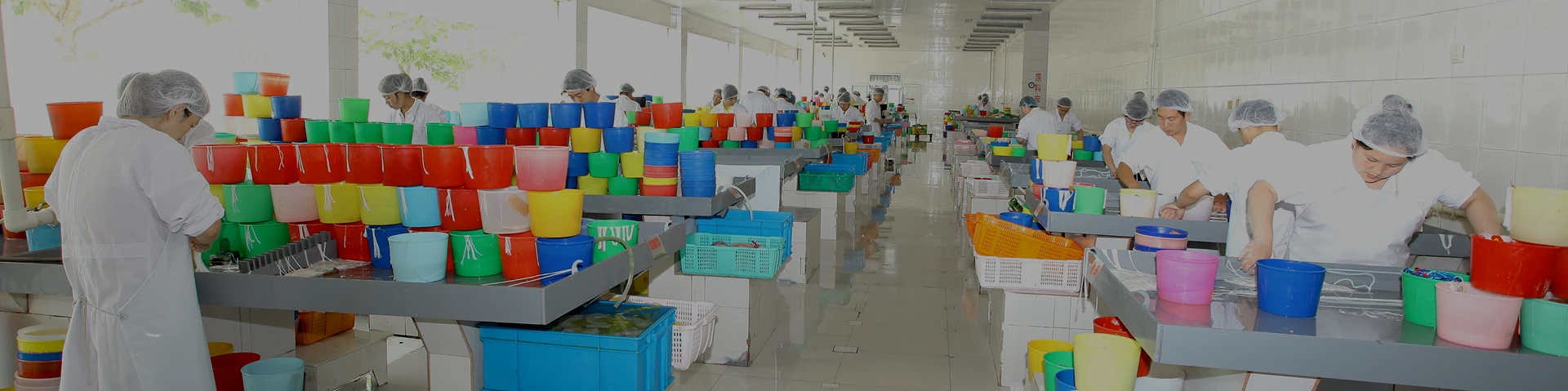
The journey from raw sheep intestines to high - quality natural sheep casings is a meticulous and intricate one, carried out by skilled sheep casing manufacturers. Runtai(hebei) casings co., ltd, established in July 2003, has emerged as a leading name in this domain. As a member of the International Natural Sausage Casings Association and a designated factory for importing, exporting, and processing overseas casings, the company's strategic location in the west of Shunping County, near the Baofu Road, along with its expansive 13000m² area housing a 1500m² workshop and an 800m² cold storage with a 1200 - ton capacity, and a team of 200 employees (170 skilled workers and 30 management staff with academic diplomas), positions it as a reliable pemasok casing domba asin and pemasok casing domba alami. Understanding the production process of a produsen casing domba not only reveals the craftsmanship behind these essential sausage - making components but also highlights the commitment to quality that companies like Runtai uphold.
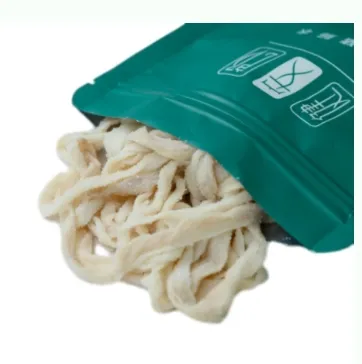
Raw Material Sourcing by Sheep Casing Manufacturer
- Selecting the Right Source: A reputable produsen casing domba like Runtai(hebei) casings co., ltd places great emphasis on sourcing raw sheep intestines from reliable suppliers. The company ensures that the sheep come from healthy herds, as the quality of the intestines directly impacts the final product. By maintaining strict standards in raw material procurement, they can guarantee the production of top - notch natural sheep casings.
- Inspection on Arrival: Once the raw sheep intestines arrive at the facility, a thorough inspection takes place. The pemasok casing domba alamicheck for any signs of damage, disease, or contamination. Only the intestines that meet the stringent quality criteria are accepted for further processing, ensuring that the foundation of the salted sheep casing production is of the highest quality.
Cleaning and Pre - Treatment of Sheep Casings Manufacturer
- Initial Rinsing: The first step in the production process is the initial rinsing of the raw sheep intestines. They are washed under running water to remove any surface dirt, debris, and fecal matter. This crucial step begins the transformation of the raw material into natural sheep casings suitable for further processing.
- Removing Inner Tissues: After rinsing, the inner tissues of the intestines are carefully removed. Specialized tools and techniques are employed to scrape off the mucosa and other unwanted layers, leaving behind only the clean, usable casing. This process requires precision to ensure that the integrity of the sheep casing is maintained.
- Soaking and Cleaning Agents: To further clean the sheep casings, they are soaked in water with the addition of mild cleaning agents. This helps to eliminate any remaining impurities and bacteria, ensuring that the pemasok casing domba alamiare hygienic and ready for the next stage of production.
Salting Process for Salted Sheep Casing Supplier
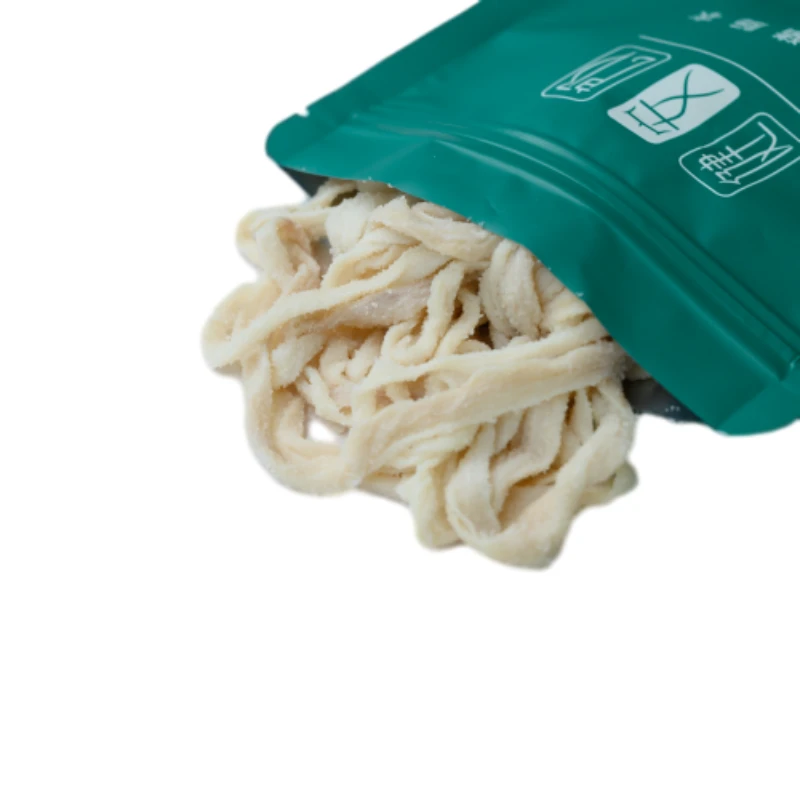
- Applying the Right Amount of Salt: As a pemasok casing domba asin, Runtai(hebei) casings co., ltd follows a precise salting process. The cleaned sheep casings are evenly coated with a specific amount of salt. The salt not only acts as a preservative but also helps in drawing out moisture from the casings, which is essential for maintaining their texture and extending their shelf life.
- Packing and Aging: After salting, the salted sheep casings are carefully packed into barrels or containers. They are then left to age for a certain period. During this time, the salt penetrates deeper into the casings, enhancing the preservation and flavor - enhancing properties. This aging process is a key step in producing high - quality salted sheep casings that meet the expectations of customers.
|
Production Step |
Purpose |
Importance for Final Product |
|
Initial Rinsing |
Remove surface dirt and debris |
Ensures hygiene and cleanliness |
|
Removing Inner Tissues |
Prepare the casing for further processing |
Maintains casing integrity |
|
Soaking with Cleaning Agents |
Eliminate remaining impurities and bacteria |
Guarantees safety and quality |
|
Applying Salt |
Preserve and draw out moisture |
Extends shelf life and affects texture |
|
Packing and Aging |
Allow salt to penetrate and enhance properties |
Improves flavor and preservation |
Quality Control in Sheep Casing Manufacturer Production
- Visual Inspection: Throughout the production process, pemasok casing domba alamiconduct regular visual inspections. The sheep casings are examined for any signs of damage, discoloration, or irregularities. Any casings that do not meet the visual quality standards are immediately removed from the production line.
- Texture and Elasticity Testing: The texture and elasticity of the sheep casings are also crucial factors in quality control. Samples are randomly selected, and their texture is felt, while their elasticity is tested by gently stretching them. Only casings with the right texture and elasticity are approved for packaging and distribution.
- Microbiological Testing: To ensure the safety of the natural sheep casings, microbiological tests are performed. These tests check for the presence of harmful bacteria, fungi, and other microorganisms. By adhering to strict microbiological standards, sheep casing manufacturerslike Runtai(hebei) casings co., ltd can provide customers with casings that are both high - quality and safe for use in sausage production.
Sheep Casing Production Process FAQS
How Long Does the Entire Production Process of a Sheep Casing Manufacturer Take?
The duration of the production process can vary depending on several factors, such as the quantity of casings being produced and the specific production methods employed. On average, from raw material sourcing to the finished pemasok casing domba alami, the process can take anywhere from a few days to a couple of weeks. This includes time for cleaning, salting, aging, and quality control checks.
What Makes a Sheep Casing Manufacturer Stand Out?
A standout produsen casing domba like Runtai(hebei) casings co., ltd distinguishes itself through a combination of factors. These include strict quality control measures at every stage of production, a commitment to sourcing the best raw materials, advanced production techniques, and a knowledgeable and skilled workforce. Additionally, reliable pemasok casing domba alami offer excellent customer service and consistent product quality.
Can I Customize the Specifications of the Sheep Casings Manufacturer?
Yes, many sheep casing manufacturers, including Runtai(hebei) casings co., ltd, offer customization options for natural sheep casings. Customers can request specific sizes, salt levels, or packaging requirements based on their needs. Whether you're a small - scale sausage maker or a large - scale producer, salted sheep casing suppliers can work with you to meet your unique specifications.
How Do Natural Sheep Casings Suppliers Ensure Hygiene?
Natural sheep casings suppliers ensure hygiene through multiple steps. The initial cleaning process removes most contaminants, followed by the use of cleaning agents during soaking. Microbiological testing is conducted to detect and eliminate any potential harmful microorganisms. Additionally, strict hygiene protocols are maintained in the production facility, and employees are trained to follow proper sanitation procedures.
Where Can I Purchase High - Quality Sheep Casings Manufacturer?
For high - quality natural sheep casings and salted sheep casings, visit the official website of Runtai(hebei) casings co., ltd. As a trusted produsen casing domba and pemasok casing domba alami, they offer a wide range of top - notch products. With their expertise, advanced facilities, and commitment to quality, you can be confident in the casings you purchase for your sausage - making endeavors.