How to Use Dry Sausage Casing & Dried Hog Casings: Easy Prep

Oct . 20, 2025 10:51

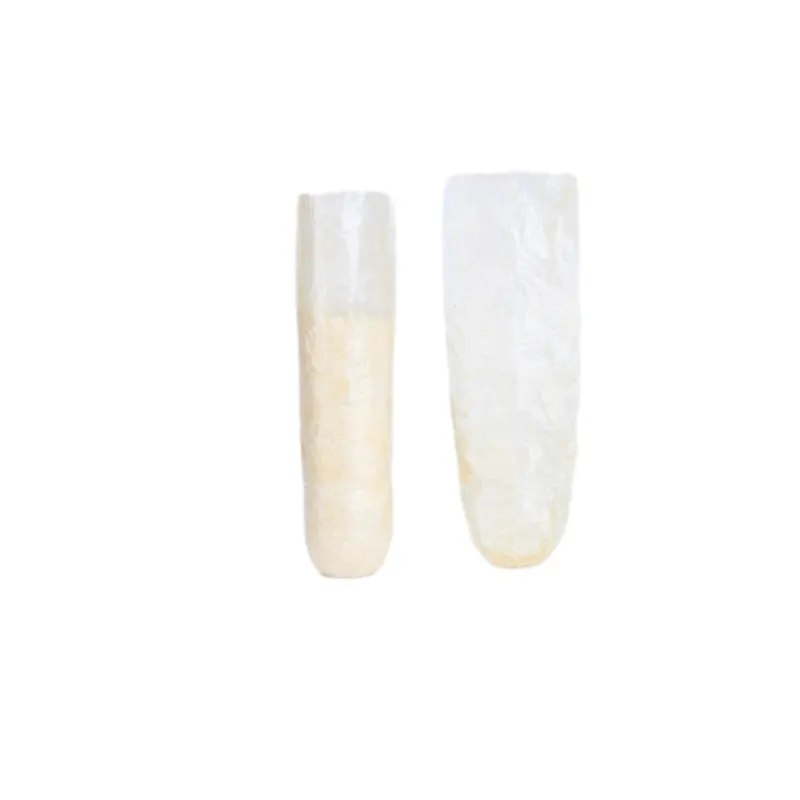
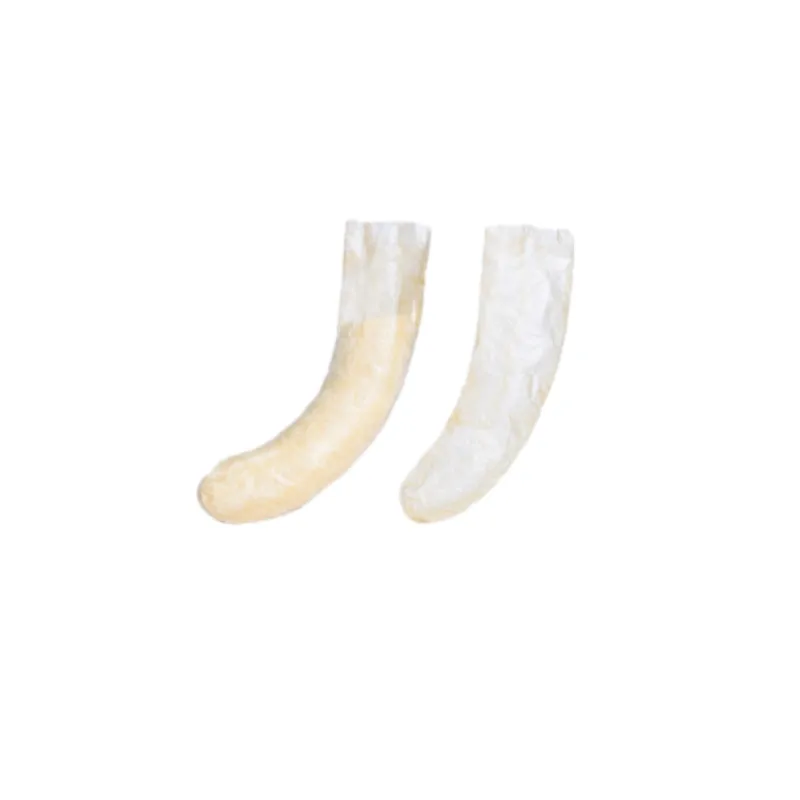
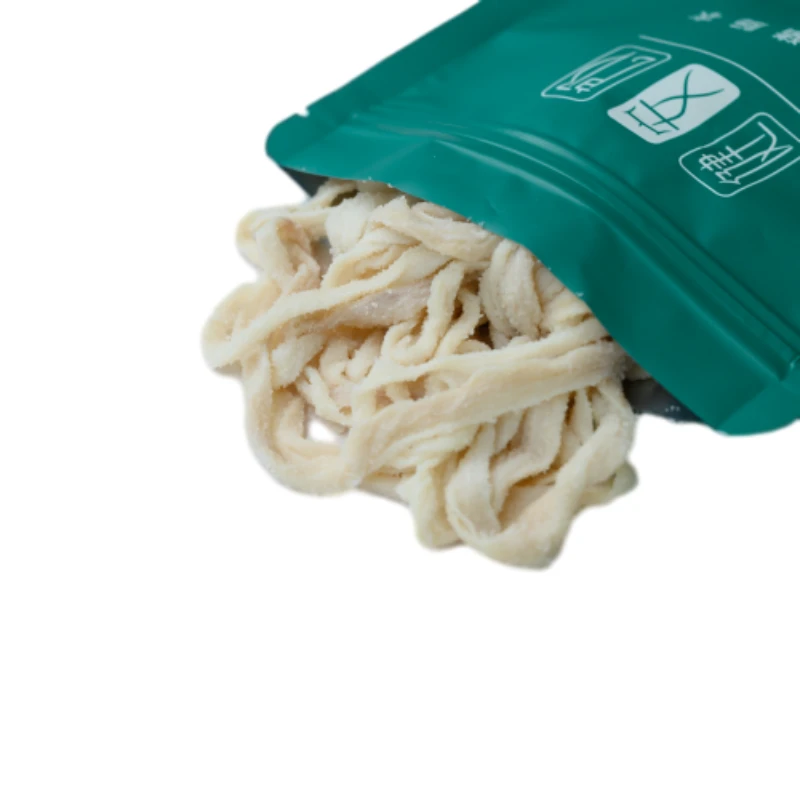
Dried Hog Casing: a practical insider’s guide to how to use dry sausage casing

If you’ve ever stuffed a batch that looked perfect in the mixer but split on the table, welcome—I’ve been there. Dried hog casing has quietly become the go-to for consistent yield, especially in busy plants and small craft rooms that hate surprises.
How to Use Dry Sausage Casing & Dried Hog Casings: Easy Prep

What’s trending and why it matters

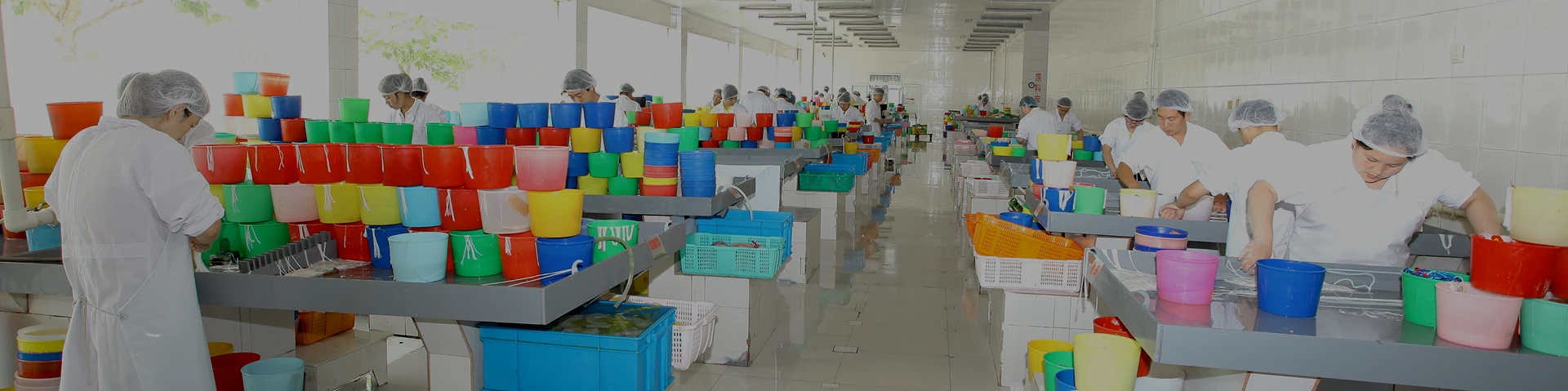
Industry trend? Predictability. Dried casings ship compact, hold spec better across seasons, and respond well to standardized soaking. Many customers say their line stops dropped after switching, which—frankly—matches what I’ve observed on the floor.

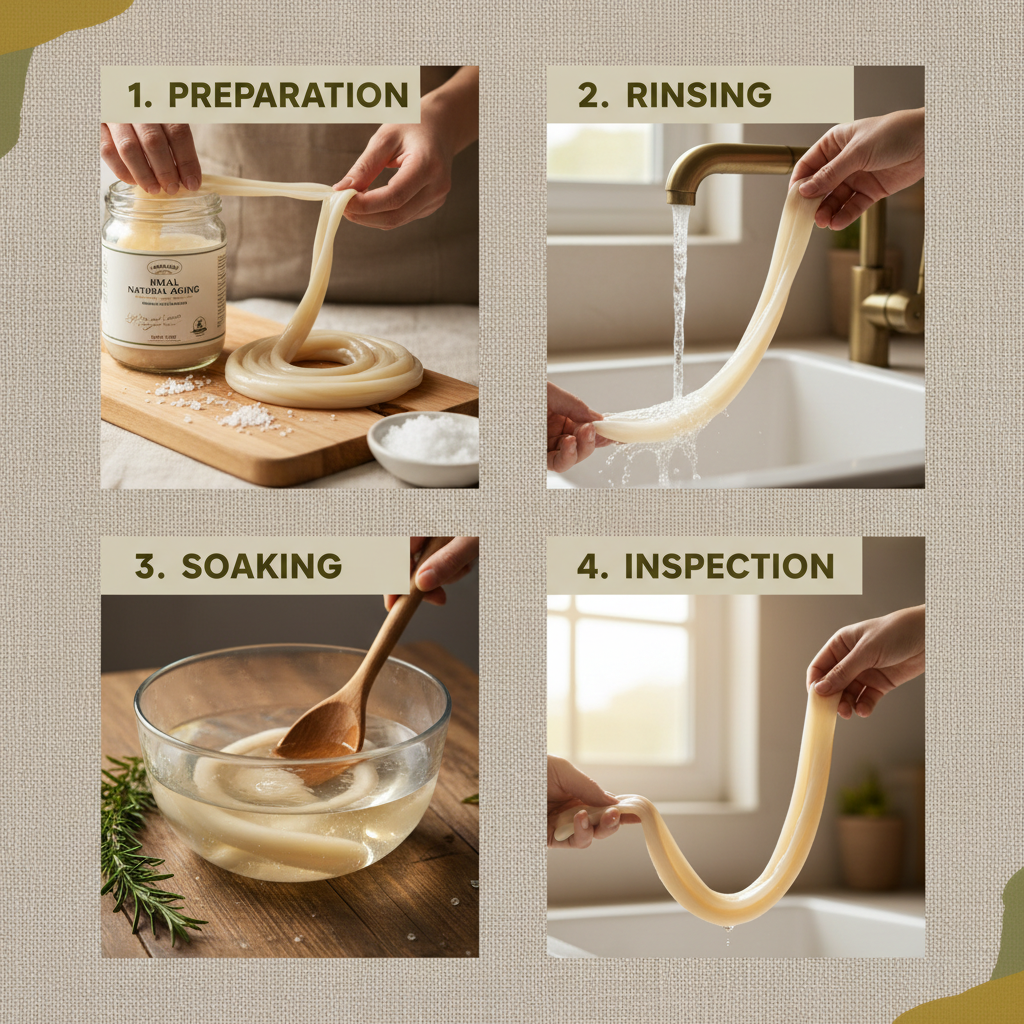
Step-by-step: how to use dry sausage casing without drama

  1. Select caliber by finished diameter goal (e.g., 32/34 for fresh, 38/40 for smoked rope).
  2. Pre-rinse: quick cold-water rinse to wake the casing and remove surface salt.
  3. Soak: 25–35°C lukewarm water, 15–30 minutes. Add ≈1% salt to the bath for elasticity. For tougher lots, extend to 45 minutes—real-world use may vary.
  4. Flush: run water through the lumen for 5–10 seconds per hank.
  5. Tube and stuff: keep steady back-pressure; avoid overfilling near horns and change points.
  6. Linking: twist or clip; rest links 5–10 minutes before smoke or cook.
  7. Processing: dry, smoke, ferment, or cook as your spec dictates. Cool properly to minimize wrinkling.
  8. Storage after opening: re-salt and refrigerate in sealed food-grade bag. Use within a week.
How to Use Dry Sausage Casing & Dried Hog Casings: Easy Prep

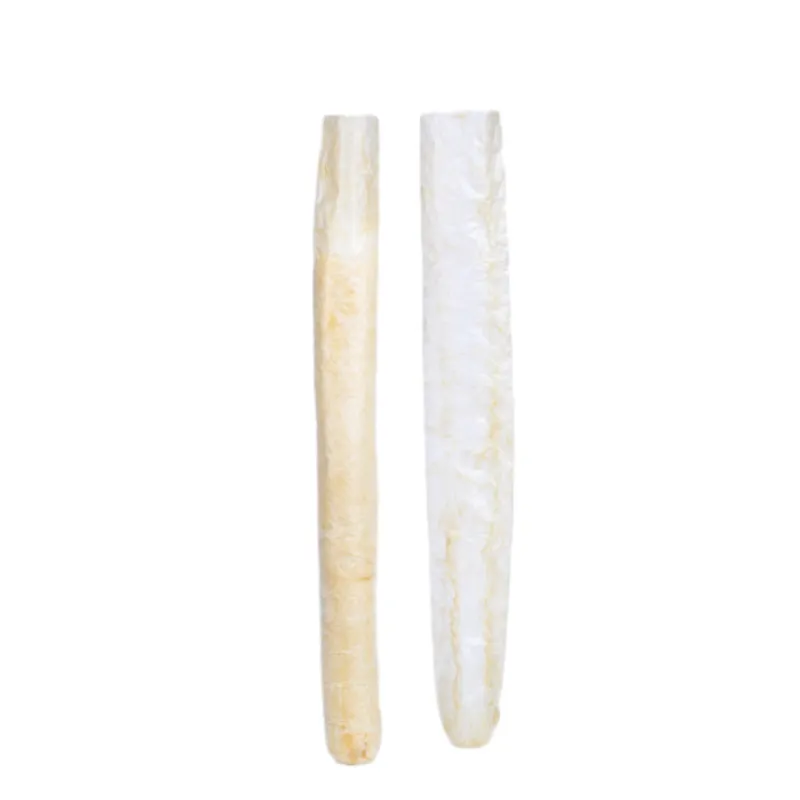
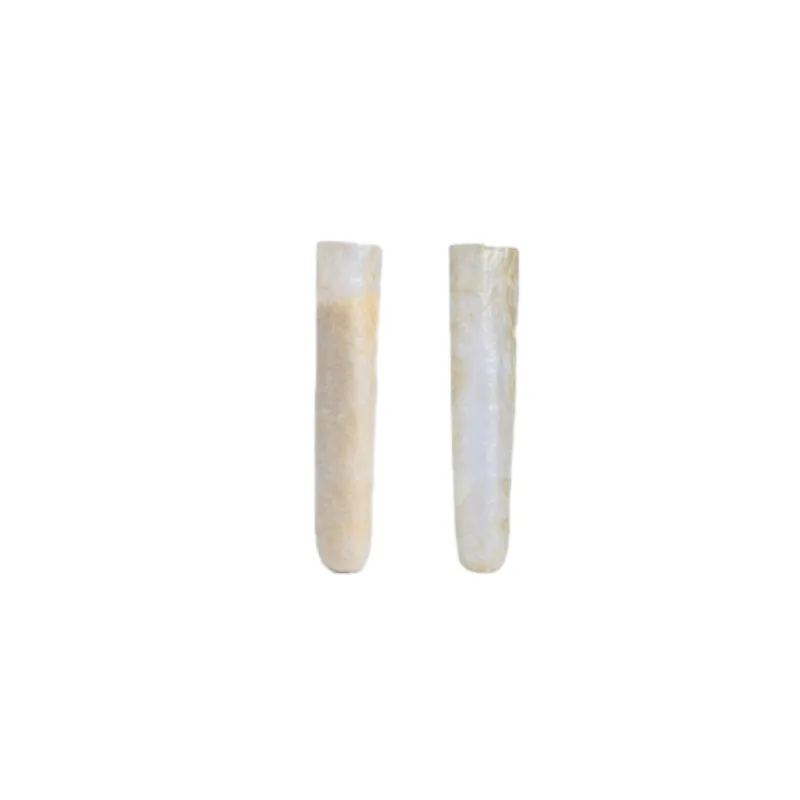
Product snapshot: Dried Hog Casing (RTCasing, Hebei)

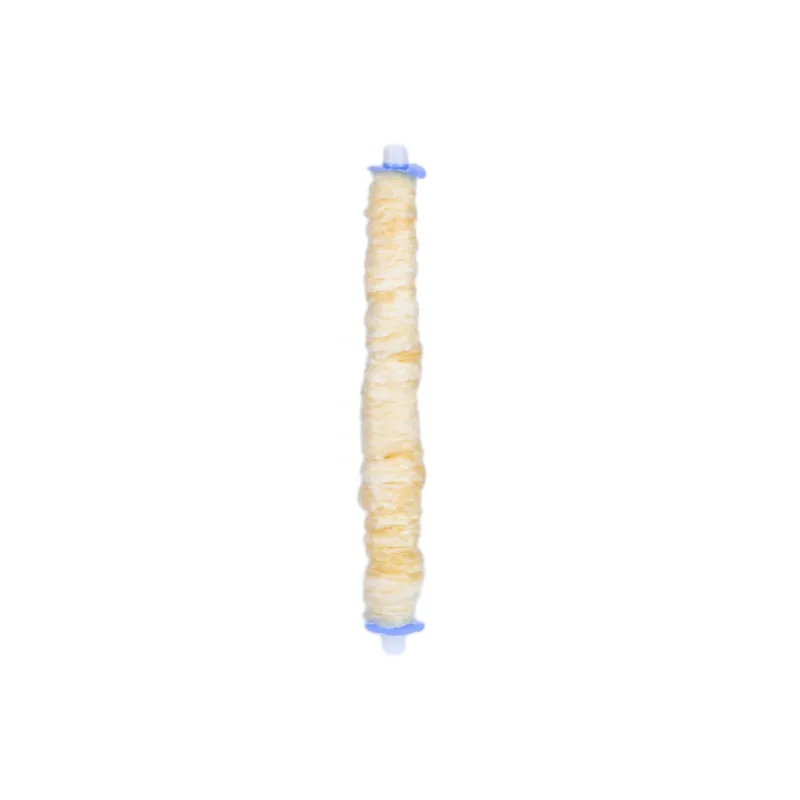
Origin: WEST PING’AN STREET, SHUNPING COUNTY, HEBEI, CHINA. A workhorse casing that shows good tensile and burst consistency in my notes, especially on semi-dry and smoked lines.

SpecTypical Value
Caliber range26/28–42/44 mm
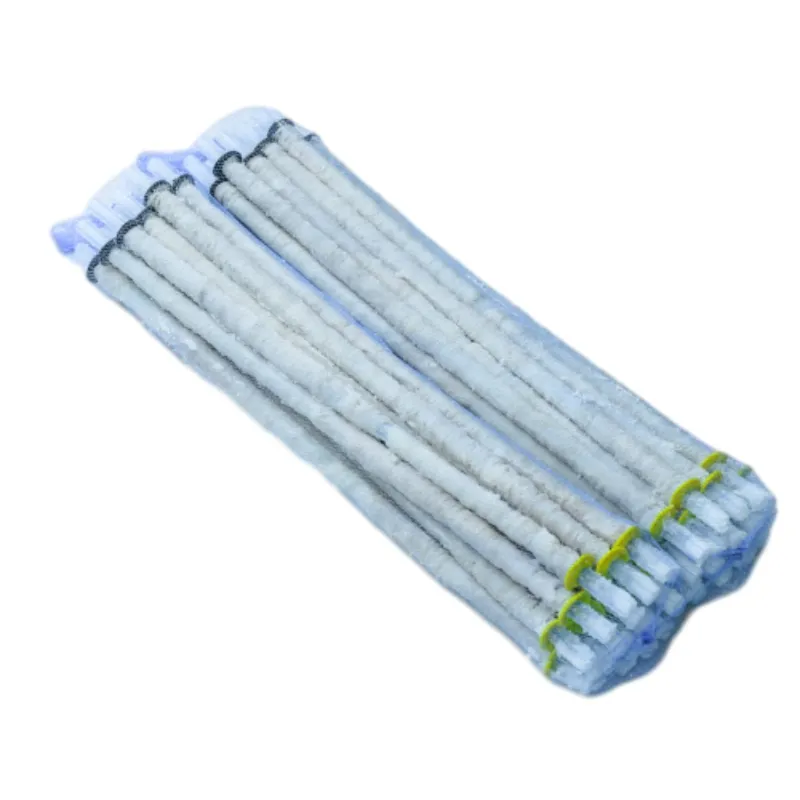
Hank length≈90 m/hank (varies)
Moisture (dry)≤12%
Salt content35–45%
Recommended soak25–35°C, 15–30 min
StorageCool, dry, sealed; 0–25°C
Shelf life18–24 months unopened
How to Use Dry Sausage Casing & Dried Hog Casings: Easy Prep

Testing, standards, and real-world data

  • Micro: total plate count, coliforms, Salmonella/Listeria absence per HACCP plans.
  • Functional: wet burst pressure ≈ 20–35 kPa; tensile checks on pulled samples.
  • Compliance framework: ISO 22000/FSSC 22000; HACCP per Codex; EU 852/2004 or USDA FSIS GMP/HACCP guidance.

In my last trial (n=6 lots), average soak-to-stuff readiness hit 22 minutes; link split rate stayed under 0.6%—solid for a mixed hog/beef line.
How to Use Dry Sausage Casing & Dried Hog Casings: Easy Prep

Applications and advantages

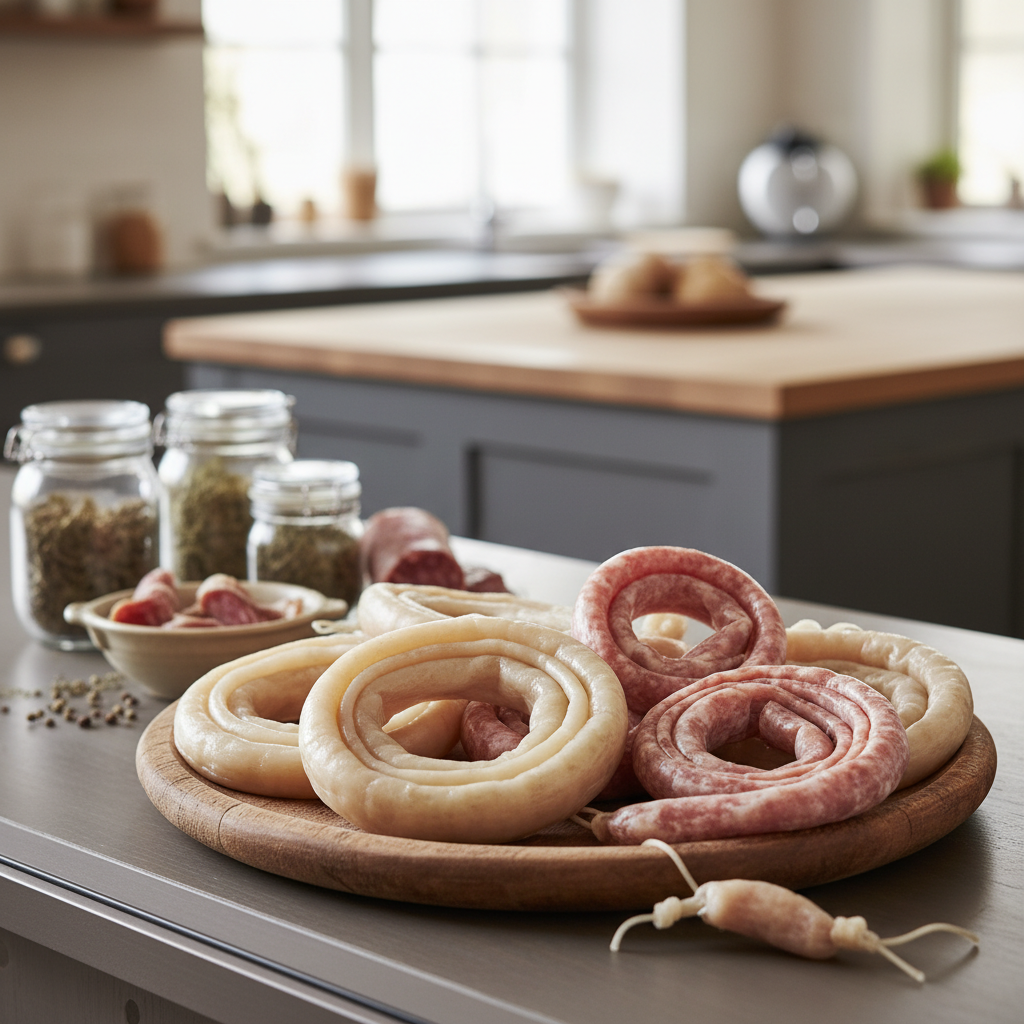
Use for fresh brats, smoked rope, semi-dry sticks, and fermented regionals. Advantages: compact shipping, quick prep, consistent caliber, and fewer blowouts. To be honest, the storage simplicity alone sells it for many small shops.

Vendor comparison (summary)

Vendor Origin Caliber Burst (kPa) Lead time Certs (ask)
RTCasing (Hebei) China 26/28–42/44 ≈20–35 2–4 weeks HACCP, ISO 22000, Halal (verify docs)
EU Supplier A EU 28/30–40/42 ≈22–30 1–3 weeks HACCP, BRCGS (check scope)
US Importer B Multi-origin 32/34–38/40 ≈18–28 Stock/fast ship HACCP, Kosher/Halal options
How to Use Dry Sausage Casing & Dried Hog Casings: Easy Prep

Customization and service life

Custom calibers, pre-tubed sets, and branded bundle lengths are common. Service life unopened runs 18–24 months; opened hanks should be re-salted and used within 7 days for best snap.
How to Use Dry Sausage Casing & Dried Hog Casings: Easy Prep

Case study: mid-size smokehouse

A 12-person Midwest smokehouse switched to dried hog casing for a 38/40 product. Result over 8 weeks: soak time cut by 10 minutes, link split rate dropped from 1.1% to 0.4%, and yield improved ≈0.8%. Not flashy, but that’s real margin.
How to Use Dry Sausage Casing & Dried Hog Casings: Easy Prep

Quality paperwork to request

  • Lot COA with micro counts and moisture/salt.
  • HACCP plan summary and ISO 22000/BRCGS certificate copies.
  • Halal/Kosher certificates if required.
How to Use Dry Sausage Casing & Dried Hog Casings: Easy Prep

Bottom line: for teams focused on uptime and uniformity, how to use dry sausage casing boils down to disciplined soaking, gentle stuffing pressure, and tight QA. The rest is just your recipe doing its magic.

References

  1. Codex Alimentarius: General Principles of Food Hygiene (CXC 1-1969). https://www.fao.org/fao-who-codexalimentarius
  2. ISO 22000:2018 Food safety management systems. https://www.iso.org/standard/65464.html
  3. Regulation (EC) No 852/2004 on the hygiene of foodstuffs. https://eur-lex.europa.eu
  4. USDA FSIS HACCP Guidance. https://www.fsis.usda.gov
Hot Sale Natural Casings

Hot Sale Natural Casings

Nuestras Tripas Saladas preservan esta tradición mediante un cuidadoso curado en salmuera, ofreciendo una comodidad lista para usar sin comprometer la elasticidad y resistencia naturales que exigen los profesionales. Por otro lado, nuestras Tripas de Cerdo Secas ofrecen una excepcional estabilidad de conservación y un manejo ligero, rehidratándose para recuperar todas las cualidades deseables de las tripas frescas.

Tripa de cerdo seca
Las tripas secas se utilizan ampliamente en la industria alimentaria, especialmente para la producción de embutidos, debido a su conveniencia, consistencia y rentabilidad.
Tripas de cerdo saladas
Las tripas de cerdo, elaboradas a partir de los intestinos de los cerdos, se utilizan ampliamente en la producción de embutidos debido a sus propiedades únicas.
Tripas de oveja saladas
Al controlar la cadena de suministro desde el matadero hasta el producto final, ofrecemos una calidad absoluta: la clave para la elaboración artesanal de salchichas de primera calidad.

ÚLTIMAS NOTICIAS

Las últimas noticias de Runtai Casings ofrecen actualizaciones esenciales y análisis de expertos sobre la evolución de la industria de las tripas para embutidos, manteniéndole a la vanguardia de las innovaciones tecnológicas, los avances en calidad y las tendencias del mercado global. Nuestro contenido, cuidadosamente seleccionado, ofrece valiosas perspectivas sobre las nuevas técnicas de procesamiento, la evolución de los estándares internacionales y las nuevas oportunidades en el mercado global, todo ello diseñado para ayudar a los profesionales del sector a tomar decisiones informadas y mantener una ventaja competitiva.

Mar. 07, 2026

Halal Natural Sausage Casing A Comprehensive Guide To Quality And Compliance
When sourcing materials for food production, especially in the meat processing industry, adherence to specific standards and dietary requirements is paramount. Halal natural sausage casing plays a crucial role in meeting those needs, offering a traditional and compliant solution for creating high-quality sausages. This article will explore the benefits of using halal natural sausage casing, its sourcing, applications, and why RTCasing is a trusted provider. Understanding the nuances of these casings is essential for businesses aiming to cater to a growing Halal consumer base. Halal natural sausage casings are derived from the intestinal membranes of animals – typically sheep or cattle – that have been slaughtered according to Islamic dietary laws (Halal). This means the animals must be healthy, handled humanely, and slaughtered by a Muslim individual following specific religious protocols. The processing of the casings also needs to be free from any non-Halal substances. These casings offer a natural texture and 'snap' to sausages, which is often preferred by consumers. They are permeable, allowing for smoke penetration and a traditional flavor profile.
LEER MÁS

Mar. 21, 2026

Exploring the Benefits of Natural Salami Casings for Superior Sausage Production
Natural salami casings are a vital component in sausage production, imparting unique texture, flavor, and appearance to the final product. They’re derived from the serous layer of animal intestines – typically pork, beef, or sheep – and offer a traditional approach to sausage making. This article will delve into the benefits, types, preparation, and sourcing of natural salami casings, providing essential knowledge for both seasoned sausage makers and those just starting. Properly utilizing these casings significantly enhances the quality and appeal of your salami. Choosing natural casings over synthetic alternatives offers several advantages. Primarily, they allow for optimal smoke penetration, resulting in a richer, more authentic flavor profile. Natural casings also possess a unique elasticity, enabling tighter packing and a firmer texture in the finished salami.
LEER MÁS

Si está interesado en nuestros productos, puede optar por dejar su información aquí y nos pondremos en contacto con usted en breve.