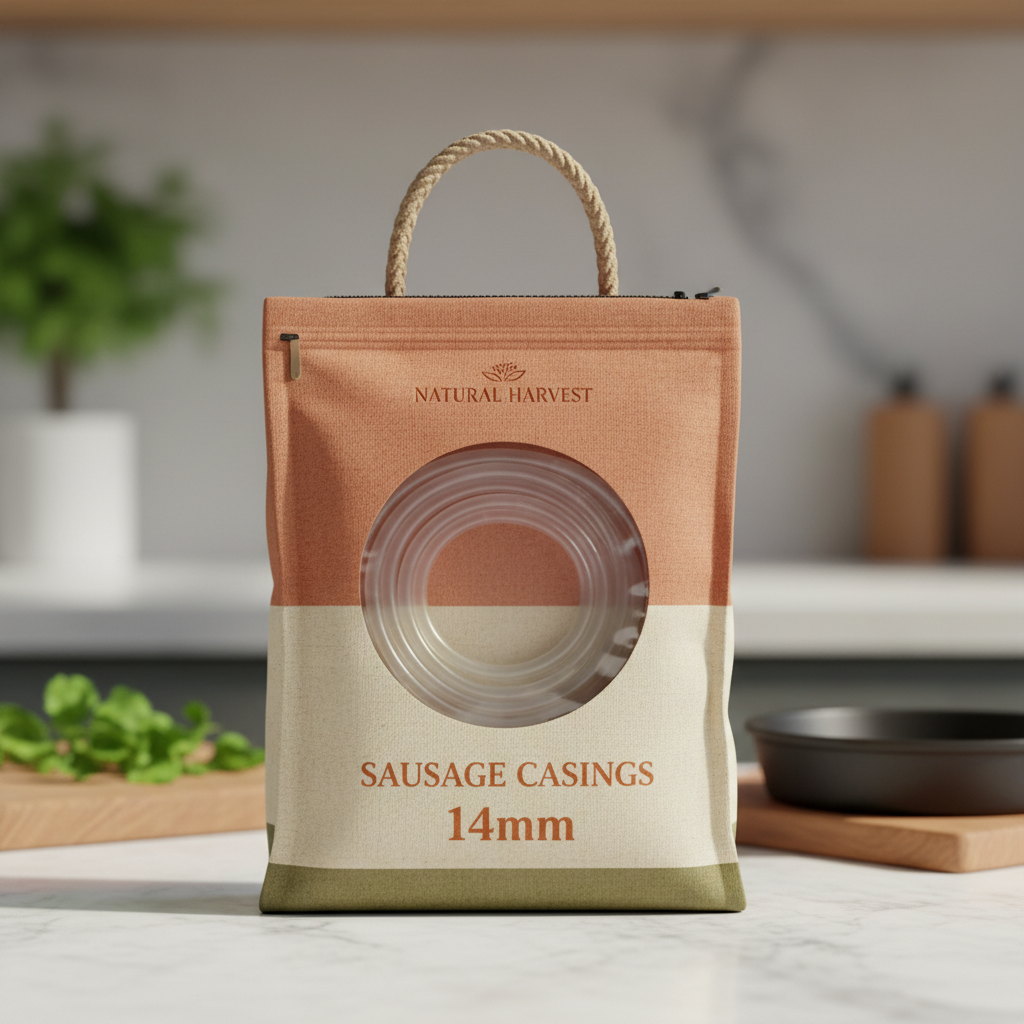
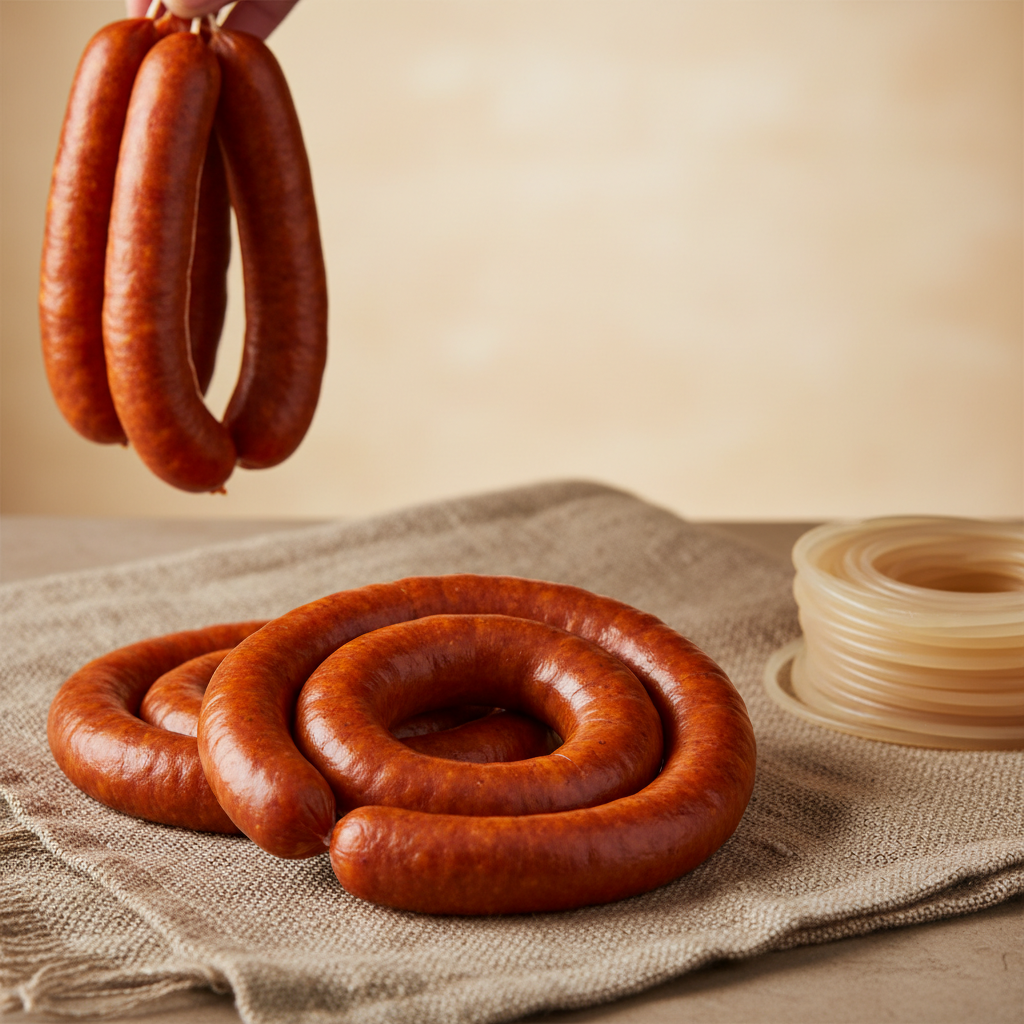
Selecting the right partner among various sausage casing companies is a critical decision for meat processors who prioritize the "snap" and authenticity of traditional charcuterie. The choice of casing directly affects not only the aesthetic appeal of the sausage but also its smoke penetration, moisture retention, and overall mouthfeel.
For those specializing in bratwurst, Italian sausages, or chorizo, natural hog casings remain the gold standard due to their durability and traditional texture. However, navigating the supply chain requires an understanding of technical specifications, from diameter variations to the differences between salted and dried tubed formats.
This analysis explores the operational requirements of sourcing high-quality casings and how professional manufacturers like Runtai (Hebei) Casing Co., Ltd ensure global compliance and sanitary quality through rigorous HACCP systems.

Understanding Natural Hog Casing Specifications and Utility

Hog casings are essentially cleaned animal intestines that provide a biological barrier for meat emulsions. Unlike synthetic alternatives, these natural membranes are breathable, allowing smoke and flavor profiles to permeate the meat during the curing process, which is essential for authentic smoked products.
The versatility of these casings lies in their sizing. Professionals typically categorize them into small (28-32mm) for breakfast links, medium (32-35mm) for bratwurst, and large (38-42mm+) for salami or summer sausages. Standard industrial packaging, such as 90 meters per hank and 150 hanks per cask, ensures consistency in high-volume stuffing operations.
Depending on the processing needs, companies offer these in salted or dried tubed forms. Salted casings are preferred for their flexibility and ease of hydration, while dried tubed options are optimized for long-distance export and shelf-stability without compromising the structural integrity of the membrane.
Technical Advantages of Animal-Derived Natural Casings
The primary technical appeal of hog casings is their superior tensile strength compared to sheep casings. This robustness reduces the rate of breakage during high-speed mechanical stuffing, thereby decreasing product waste and increasing line efficiency in commercial factories.
From a permeability standpoint, the natural pores of the hog intestine facilitate a precise exchange of moisture and smoke. This prevents the "skin-slip" phenomenon often seen in lower-quality synthetic casings and ensures that the final product has a consistent color and flavor throughout the diameter.
Furthermore, the cost-effectiveness of hog casings makes them the most viable option for mass-market traditional sausages. When sourced from certified facilities, these products balance premium mouthfeel with industrial scalability, providing a high ROI for meat processors.
Industrial Applications Across Different Sausage Categories
The application of hog casings varies significantly based on the target product's diameter and cooking method. In the production of fresh sausages like Italian or chorizo, the casing must hold a coarse grind without rupturing under the internal pressure of the meat fats.
For smoked sausages, the permeability of the hog casing is the key variable. It allows the smoke particles to bond with the meat proteins, creating the characteristic mahogany hue and smoky aroma. This is particularly evident in larger diameter summer sausages where the casing must maintain its shape during a prolonged smoking cycle.
In the luxury charcuterie sector, the use of natural casings is often a marketing requirement. Consumers seeking "artisan" or "traditional" labels expect the irregular, organic feel of animal intestines, making the sourcing from specialized natural casing manufacturers a strategic necessity for brand positioning.
Evaluating Casing Performance in Professional Meat Processing
Evaluating the performance of a casing involves measuring several KPIs: burst strength, smoke absorption rate, hydration time, and diameter consistency. High-quality casings from experienced suppliers exhibit minimal variance in width, which is crucial for automated packaging machinery.
When comparing natural hog casings to collagen alternatives, the a-priori advantage is found in the sensory experience and smoke permeability. While collagen offers extreme uniformity, it often lacks the structural "bite" that defines high-end traditional sausages.
sausage casing companies Performance Metrics
The data indicates that natural casings consistently outperform synthetics in smoke permeability and consumer texture preference, although they require more careful handling during the hydration phase to avoid premature tearing.
Critical Procurement Factors for Global Sourcing Strategies
For international procurement managers, the priority is sanitary certification and supply chain stability. A manufacturer's adherence to HACCP (Hazard Analysis and Critical Control Points) is non-negotiable, as casings are biological products prone to contamination if not processed in sterile environments.
Logistics also play a significant role. Companies like Runtai (Hebei) Casing Co., Ltd utilize large-scale cold storage (up to 1200 tons) to maintain a steady supply regardless of seasonal fluctuations in raw material availability. This capacity prevents price spikes and ensures that overseas clients receive consistent product quality.
Additionally, the ability of a supplier to handle complex export regulations—including quarantine inspections and food safety laws of the destination country—reduces the risk of customs delays and product spoilage during transit.
Future Directions in Sustainable Casing Production
The industry is seeing a gradual shift toward more sustainable processing methods. This includes the optimization of water usage during the cleaning phase and the implementation of more energy-efficient cold chain systems to reduce the carbon footprint of frozen and salted casings.
There is also a likely increase in the demand for "traceable" casings. Procurement officers are increasingly requesting data on the origin of the raw materials, pushing manufacturers to implement better record-keeping systems that track the product from the slaughterhouse to the final cask.
While collagen casings have attempted to capture the "natural" market, the persistent consumer preference for genuine animal membranes suggests that the focus will remain on refining the processing of natural hog and sheep casings to maximize yield and purity.
Comparative Guide for Choosing the Right Casing Type
Selecting the optimal casing depends on the intersection of product type, production volume, and desired consumer experience. The following table breaks down the technical trade-offs between the most common industrial options.
Decision makers should consider that while synthetic options offer lower labor costs due to ease of use, natural casings provide a significant competitive advantage in the "premium" and "traditional" market segments.
| Casing Type | Best Application | Primary Advantage | Technical Limit |
|---|---|---|---|
| Salted Hog | Traditional Bratwurst | High "Snap" & Taste | Requires Hydration |
| Dried Tubed Hog | Export Salami | Long Shelf Life | Slower Prep Time |
| Salted Sheep | Fine Frankfurters | Delicate Diameter | Fragile Membrane |
| Collagen | Mass Market Hot Dogs | Perfect Uniformity | Poor Smoke Intake |
| Fibrous | Large Bologna | Extreme Strength | Non-Edible Skin |
| Cellulose | Cooked/Peeled Links | Easy Removal | No Natural Texture |
Ultimately, the choice of supplier should be based on their capacity to maintain these technical standards at scale, with a strong emphasis on quality control departments and international export experience.
Frequently Asked Questions
Conclusion
The success of a charcuterie product depends as much on the casing as it does on the meat emulsion. By choosing natural hog casings, processors can ensure the traditional texture and smoke permeability that discerning consumers demand.
For those evaluating global supply chains, partnering with an established manufacturer that combines large-scale cold storage, HACCP certification, and extensive export experience is key to operational stability. Readers evaluating these requirements can review the relevant product and company information available through www.rtcasing.com.